AI Automation for Garment Exporters
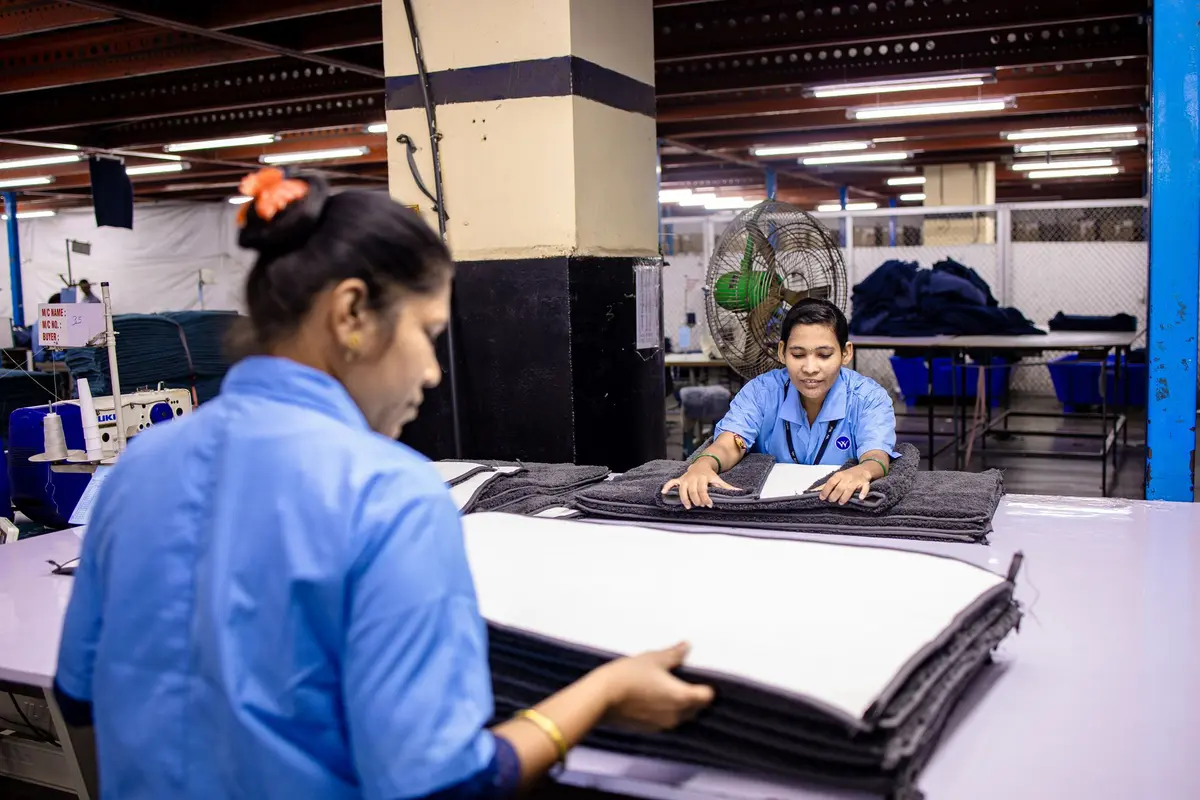
AI can take over repeat clerical work across garment export orders: reading buyer purchase orders, checking order details against approved records, requesting factory status updates, collecting shipping documents and flagging missing or conflicting information. It can prepare a clear order-level status report and draft routine updates for staff to review or send under agreed rules. People still need to resolve changes to style, colour, size ratios, quantity, price or delivery terms, and to approve incomplete or inconsistent export paperwork. The practical result is less manual copying and chasing for the office team, not an unsupervised system making commercial or customs decisions.
In short
- AI workers can extract order fields, compare records, chase factory updates and assemble shipment-document checklists.
- Changed specifications, conflicting paperwork and revised delivery commitments need human review.
- Use order-level exception reports to show which shipment is missing a document, update or approval.
- Keep customs declarations and GST decisions with authorised staff or qualified advisers.
Which work can AI take over, and what changes for the office team?
Garment export offices handle repeated checks across buyer purchase orders, tech packs, approved samples, size and colour breakdowns, factory production updates and shipment paperwork. An AI worker can read documents and messages, compare key fields with the order record, ask for missing routine information and keep a dated status trail. It can also prepare exception lists so staff see which order needs attention and why.
This is most useful when the same information is copied between spreadsheets, email, an ERP or merchandising system, and shipping files. The aim is to reduce routine data entry and follow-up, not to remove the people who decide whether a changed specification is acceptable, whether a shipment can proceed or whether a document is legally correct.
The garment export workflow, from enquiry to payment follow-up
| Stage | What staff often do today | What an AI worker can do |
|---|---|---|
| Buyer enquiry and costing | Read emails and attachments, identify style, fabric, quantity, target price and requested delivery date, then ask for missing details. | Extract the enquiry fields, create a draft enquiry record and list missing inputs. A merchandiser checks assumptions and approves costing or commercial terms. |
| Purchase order and order entry | Enter buyer PO information into a system or spreadsheet and compare it with the agreed quotation. | Read the PO and compare style number, colour, size ratio, quantity, unit price, currency, delivery window and ship-to details with the approved order. Flag discrepancies rather than silently choosing one version. |
| Tech pack, sample and specification control | Circulate tech packs, sample comments, measurement charts, artwork and approvals between buyer and factory teams. | Sort incoming files by order and version, record approval dates and highlight a new or conflicting version. A person confirms the approved specification, especially where comments affect fit, fabric, trims, labelling or compliance. |
| Fabric, trims and production readiness | Collect material and line-readiness updates from the factory and vendors; follow up on late inputs. | Send scheduled requests, read replies and update an order timeline. It flags missing readiness confirmations and dates that threaten the planned production or shipment window. |
| Production and quality status | Ask factories for cutting, sewing, finishing and inspection progress; reconcile replies with the shipment plan. | Request updates on agreed milestones, turn replies into structured status fields and identify overdue milestones, blank reports or inconsistent quantities. Staff handle disputed progress or a recovery plan. |
| Final inspection and packing | Collect inspection results, carton details, packing lists and buyer approvals. | Check that required files appear to be present and compare carton counts, quantities and order references across records. It routes failed inspections, missing approvals and mismatches to the responsible person. |
| Export documentation and booking | Coordinate with the freight forwarder or customs broker, collect invoice, packing list, transport documents and shipment details, and check them against the order. | Collect documents into the order folder, extract fields and run consistency checks. It can prepare a checklist for staff or the authorised broker; a person verifies declarations and approves filing. |
| Shipment tracking and buyer updates | Check booking and dispatch messages, then tell the buyer and factory about changes. | Bring available milestone messages into one order view, flag a missed or changed milestone and draft a factual update for approval. It should not promise a revised delivery date without a person confirming it. |
| Post-shipment and payment follow-up | File shipment evidence, track open documents and follow up on expected remittance or buyer queries. | Track which files or confirmations remain outstanding, send permitted reminders and prepare a list of open items for finance. Finance staff reconcile receipts and resolve deductions or short payments. |
Staff today vs with AI workers
| Role | What the person does today | What the AI worker takes over | What stays with a person |
|---|---|---|---|
| Export merchandiser | Manage buyer communication, order details, approvals and production follow-up. | PO extraction, routine status requests, order-file organisation and discrepancy lists. | Negotiation, specification interpretation, buyer commitments and escalation. |
| Production merchandiser or coordinator | Collect factory progress and coordinate material, production and shipment readiness. | Scheduled factory update requests, milestone logging and overdue alerts. | Factory problem-solving, capacity decisions and recovery plans. |
| Documentation executive | Prepare and check commercial and shipping paperwork; coordinate with the broker or forwarder. | Document collection, field extraction, completeness checks and cross-document comparisons. | Final review, correcting source data and authorising submissions. |
| Shipping or logistics coordinator | Arrange bookings, collect dispatch details and update stakeholders on shipment status. | Filing milestones, chasing missing confirmations and drafting routine updates. | Choosing actions when schedules change and confirming revised commitments. |
| Accounts or export finance executive | Match invoices and shipment references, track remittance and handle reconciliation queries. | Preparing match lists and reminders for missing supporting records. | Posting entries, deciding accounting treatment and resolving payment differences. |
High-value automations, ranked by effort and impact
Effort depends on how consistently orders and documents are recorded and whether the systems can exchange data. Start with repetitive work that has clear fields and a human reviewer. Do not automate a decision simply because a document can be read.
| Rank | Automation | Effort | Impact |
|---|---|---|---|
| 1 | PO-to-order checks for style, colour, size ratio, quantity, price and delivery details | Medium | High |
| 2 | Missing-document checklist for each order and shipment | Low | High |
| 3 | Factory milestone requests, reply capture and overdue alerts | Low to medium | High |
| 4 | Cross-check invoice, packing details and shipping references | Medium | High |
| 5 | Version tracking for tech packs, artwork and buyer approvals | Medium | High |
| 6 | Shipment status summary and draft buyer update | Medium | Medium to high |
| 7 | Open-order exception report by late milestone, missing file or conflicting field | Low to medium | High |
| 8 | Post-shipment document and remittance follow-up list | Medium | Medium |
Compliance points for Indian garment exporters
Keep automation focused on clerical checks and traceability. Under India’s Foreign Trade Policy 2023, the standard export documents listed for goods include a transport document, a commercial invoice-cum-packing list and a shipping bill, bill of export or postal bill of export as applicable. Additional documents can apply to specific goods or regulatory requirements. The exact shipment checklist therefore needs to reflect the product, route, buyer terms and current rules, not a generic template.
The same policy says an Importer-Exporter Code is required for most export activity and that IEC details must be updated electronically each year during April to June, including confirmation where details have not changed. Assign a named staff owner and use reminders, but have that person verify the status rather than treating an automated reminder as proof of compliance.
For customs, a shipping bill is an export declaration under the Customs Act, 1962. ICEGATE’s shipping-bill form captures shipment and consignee details, among other fields. An AI worker can compare draft information with approved order and invoice records, but an authorised person or customs broker should validate classification, declarations, supporting evidence and final filing. Preserve source documents and the record of who approved any correction.
Under the Central Goods and Services Tax Rules, export invoices carry the prescribed export endorsement for the applicable route, and GST refund processing can be affected by mismatches between shipping-bill data and GSTR-1 information. Treat invoice, shipping-bill and GST-field comparisons as an early warning check; have the responsible tax or accounts professional decide how to correct a mismatch. This is operational guidance, not a substitute for advice on a specific export.
How to transition without disrupting orders
Keep the current team and process in place first. Choose one part of the workflow, such as PO checks or factory milestone chasing, and run the AI worker alongside the existing method. Compare its extracted fields and alerts with staff review before allowing it to update a live order record or send a routine message.
- Map where each order field comes from and who owns it.
- Agree which differences are routine alerts and which stop the workflow for review.
- Test on completed orders and current orders with different buyers and document formats.
- Route exceptions to the existing merchandiser, documentation executive or finance owner.
- Expand only after staff can trace each update back to its source and correct errors.
As the system becomes reliable, staff spend less time copying fields and chasing standard updates. Their role shifts towards reviewing exceptions, handling buyer and factory decisions, and confirming documents that carry commercial or regulatory consequences. Keep a manual fallback for system outages, late changes and orders whose paperwork does not fit the established process.
Common mistakes
- Treating buyer documents as stable. A new PO, tech pack or comment can supersede an earlier version. Require version and approval checks before updating the live order.
- Letting a blank become a guess. Missing fibre content, origin, quantity, port or invoice information should create an exception, not an inferred value.
- Sending status messages without checking the source. A factory reply may be incomplete or refer to another order. Keep the source message and have a person review uncertain updates.
- Assuming one checklist fits every shipment. Buyer instructions, shipment mode, product requirements and customs needs can differ. Maintain controlled checklists and review them when requirements change.
- Automating before ownership is clear. Every alert needs a person responsible for resolving it. Otherwise the system creates another queue that nobody owns.
- Confusing document presence with correctness. A file can exist and still contain the wrong order number, quantity or date. Check key fields and keep final approval with an accountable person.
How AiStaffo would automate this
AiStaffo can connect the order records and communication channels your garment export office already uses, then organise buyer POs, factory updates and shipping documents against each export order. AI workers can check agreed fields, request routine updates, collect documents and flag missing or conflicting information for the responsible staff member. Your team retains approval of specification changes, customs paperwork, buyer commitments and financial decisions. Book a free automation audit
Questions people ask
Can AI check garment export purchase orders against the order record?
Can AI send factory and buyer shipment updates automatically?
Which export documents can an AI worker collect and check?
Should AI file an Indian shipping bill without staff review?
What should happen when an export document is incomplete?
Book a free automation audit
Thirty minutes. We look at one process you run every week and tell you exactly what an AI worker would take off your desk, and what it would not.