AI Automation for Travel Agency Operations
AI automation for travel agency operations can handle routine itinerary requests, collect missing traveller details, check booking information against agency records, prepare booking documents and follow up on supplier confirmations. It can also draft or send standard itinerary-change messages when a booking update meets rules set by the agency. The office team still approves bookings, resolves mismatches, handles urgent changes and answers cases requiring judgement. The practical benefit is less repeated copying, checking and chasing across email, booking systems and documents. Begin with a high-volume, predictable process, keep a person responsible for exceptions, and measure whether the workflow is accurate before expanding it.
In short
- AI workers can handle repeatable request intake, supplier follow-ups, document preparation and routine message drafts.
- Keep staff responsible for approvals, booking decisions, unclear supplier replies and urgent itinerary changes.
- Start with one predictable workflow and route mismatches to a named person.
- Limit access to traveller data and check privacy and package-travel rules in every relevant jurisdiction.
Which travel agency work can AI take over?
AI workers can take on repeatable administrative work that moves information between a traveller's request, agency records, supplier messages and booking documents. That includes sorting itinerary requests, extracting trip details from emails, asking for missing information, tracking supplier confirmations, preparing document drafts, checking traveller details against booking records and sending routine updates.
For the office team, this means fewer manual hand-offs and less time spent re-entering the same details. It does not mean handing an AI worker authority to choose a fare, promise a supplier service, change a ticket or decide how to handle a disruption. Set clear rules for what can run automatically, and route anything uncertain to a person.
The whole workflow, end to end
A travel agency's workflow varies by its booking model and suppliers. A typical administrative chain runs from the first request to post-booking changes and financial reconciliation.
| Stage | What staff do today | What an AI worker can do |
|---|---|---|
| Itinerary request | Read email or form requests, identify destinations, dates, travellers and requested services, then create or update a file. | Classify the request, capture the stated details, open a task or record, and flag missing or conflicting information for review. |
| Traveller detail collection | Ask for names and other required details, check spelling and completeness, and follow up when information is missing. | Compare submitted details with the agency's required fields, identify obvious inconsistencies and send an approved request for missing information. |
| Availability and supplier requests | Check relevant booking channels, contact suppliers or consolidators, and record responses and deadlines. | Prepare supplier enquiries, monitor connected inboxes for replies, extract confirmation details and update the booking record. It should not treat an ambiguous reply as confirmation. |
| Booking and confirmation | Complete bookings in the appropriate system, check the booking reference and service details, and record the supplier's confirmation. | Prepare the data for entry, check captured booking details against the request, and flag missing references or differences. A staff member authorises booking actions unless a narrowly defined process permits automation. |
| Documents and itinerary | Assemble confirmations and itinerary documents, check names, dates and service details, and send the correct versions. | Populate an approved document template from confirmed records, check for missing fields, and prepare it for review or send it under defined rules. |
| Changes and traveller messages | Read supplier schedule changes, check the affected booking, determine what action is needed and tell the traveller. | Match an update to a booking, draft a routine message and create an exception task when options, costs, consent or urgency need a person's decision. |
| After-sales and accounts | Handle routine questions, reconcile supplier invoices and agency records, and chase unresolved items. | Sort messages, match records using agreed fields, prepare reconciliation exceptions and remind staff about unresolved follow-ups. |
For example, a supplier email that clearly confirms the requested hotel dates can be recorded automatically. A reply offering different dates or a new price should go to a person before the traveller is told that the booking is settled.
Staff today vs with AI workers
Job titles differ between agencies, and one person may cover several functions. These are common office roles, not a required staffing structure.
| Role | What the person does today | What the AI worker takes over | What stays with a person |
|---|---|---|---|
| Travel consultant or travel agent | Gather trip requirements, coordinate options, confirm choices and manage traveller communication. | Request intake, routine detail collection, file updates and standard message drafts. | Understanding traveller priorities, advising on options, resolving unclear requests and securing approval. |
| Reservations agent or booking agent | Enter booking details, follow supplier replies and keep records aligned. | Copying structured details, monitoring replies and flagging mismatches. | Authorising consequential booking changes and resolving uncertain supplier responses. |
| Ticketing agent | Prepare or issue travel documents and check booking information. | Preparing document drafts and checking fields against approved records. | Reviewing ticketing rules and authorising actions where the booking system or agency process requires it. |
| Travel operations coordinator | Track open bookings, confirmations, deadlines and changes across the team. | Maintaining task queues, reminders and exception lists from connected records. | Prioritising urgent cases and coordinating service recovery. |
| Accounts or finance administrator | Match invoices, payments and booking records, and investigate unmatched items. | Preparing matches and listing discrepancies for review. | Approving adjustments, investigating disputed charges and maintaining financial controls. |
Highest-value automations, ranked by effort and impact
Impact depends on how often a task occurs and how much avoidable handling it creates. “Effort” here is a planning judgement: integration complexity, data quality and variation in supplier messages can change it substantially.
| Rank | Automation | Effort | Potential impact |
|---|---|---|---|
| 1 | Request intake and itinerary detail capture | Low to medium | High when requests arrive in repeatable formats |
| 2 | Missing traveller detail follow-ups | Low | High for teams handling many incomplete requests |
| 3 | Supplier confirmation tracking and record updates | Medium | High where replies arrive through connected channels |
| 4 | Booking-document and itinerary preparation | Medium | High when templates and source records are consistent |
| 5 | Traveller-detail consistency checks | Medium | High because errors can cause rework or booking problems |
| 6 | Routine itinerary-change message drafts | Medium | Medium to high, with human review for material changes |
| 7 | Unresolved booking and supplier follow-up queue | Low to medium | Medium, especially when several staff share cases |
| 8 | Invoice-to-booking reconciliation preparation | Medium to high | Medium; depends on consistent invoice and booking data |
Compliance and regulatory points for global agencies
There is no single global rulebook for travel agencies. Requirements depend on where the agency operates, where the traveller is located, the services sold and whether the agency acts as a retailer, organiser or another type of intermediary. Check local privacy, consumer, package-travel, payment and record-retention obligations before automating a workflow.
Traveller records can contain sensitive identifiers. The EU General Data Protection Regulation (GDPR) requires personal-data processing to follow principles including data minimisation and security. Limit what an automation can access, define retention and deletion rules, restrict staff permissions, and confirm how any connected service handles traveller data. The GDPR is an EU law, not a universal substitute for local privacy rules.
For package travel sold in the EU, Directive (EU) 2015/2302 sets pre-contract information requirements for organisers and, where relevant, retailers. It also addresses the binding character of certain information given before the contract. In the United Kingdom, the Package Travel and Linked Travel Arrangements Regulations 2018 set their own duties. Automated messages and documents should use approved, current terms and should not silently change essential booking information or promise a remedy without review.
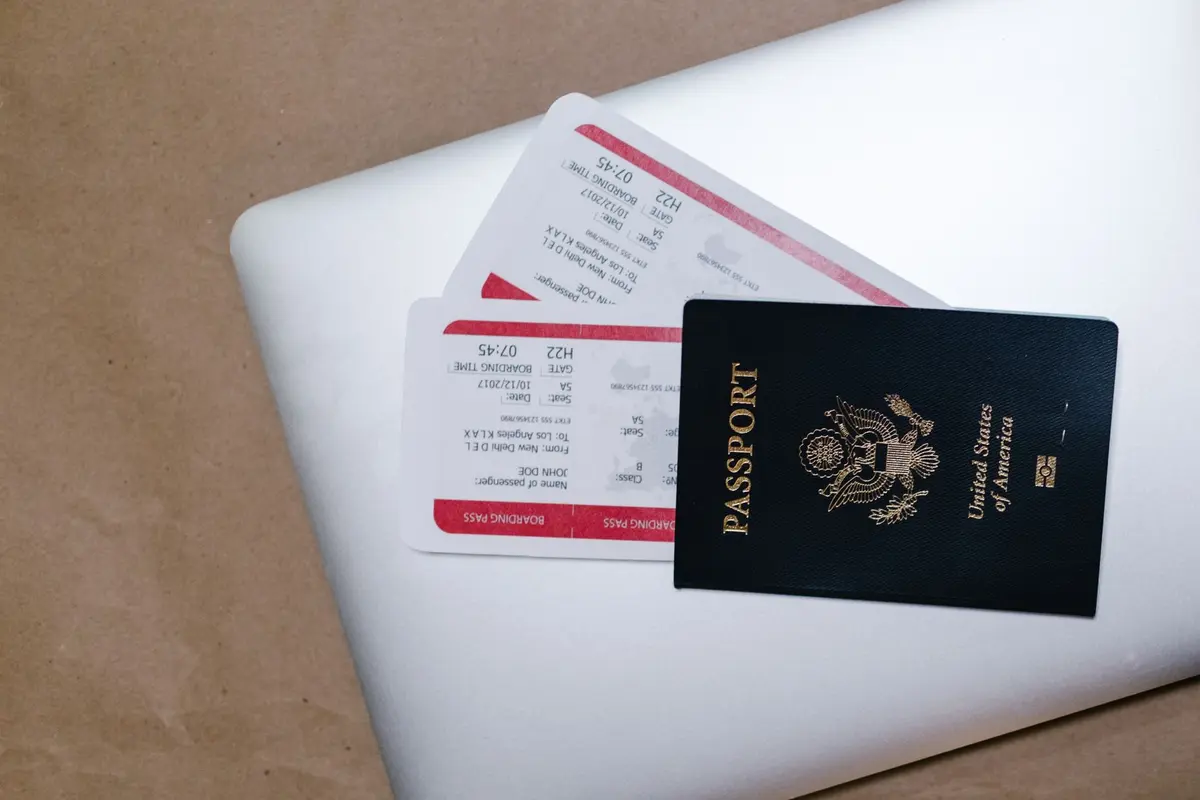
Airline passenger name record (PNR) and advance passenger information (API) fields may include itinerary and identity-document details. Applicable data collection and disclosure obligations vary by jurisdiction and role. An AI check can spot a mismatch between records; it cannot establish passport authenticity or guarantee a traveller's right to enter a country. Route uncertainty to staff and direct travellers to authoritative government requirements when necessary.
How to transition without disruption
Keep the existing team and workflow in place at first. Choose one contained process, such as sorting incoming itinerary requests or preparing confirmation documents. Connect only the records and channels that process needs, agree which fields are authoritative, and test against completed examples before allowing any messages or updates to run automatically.
During the initial phase, have the AI worker prepare drafts and flag exceptions while staff continue to approve work. Compare its captured details and proposed actions with the existing process. Correct recurring errors, tighten the rules and document who owns each exception. Only automate routine actions after the team can verify that the workflow behaves as expected.
Over time, staff can spend less time on copying, chasing and routine checking, while remaining responsible for approvals, supplier disputes, traveller choices and unusual changes. Review the exception queue and error types regularly. Do not remove human capacity based on a successful test alone: seasonal peaks, supplier format changes and urgent disruptions can change the workload.
Common mistakes
- Automating before deciding which system or record is the source of truth for each booking field.
- Treating every supplier email as a confirmed booking, even when dates, price or conditions differ.
- Sending itinerary changes without checking whether traveller consent or a staff decision is needed.
- Letting an automation access passport or payment information it does not need.
- Using one workflow for every supplier, destination and booking type despite different formats and rules.
- Measuring only messages sent, instead of checking accuracy, unresolved exceptions and rework.
- Removing staff review before the team has tested normal cases, edge cases and busy periods.
The best first automation is usually a recurring administrative task with clear inputs, a known destination for the data and a safe way to stop when something does not match. If a task depends on judgement, negotiation or traveller consent, keep a person in control.
How AiStaffo would automate this
AiStaffo can connect the agency's request inbox, booking records, supplier correspondence and document templates so routine details move between them without repeated manual entry. An AI worker can check traveller fields, track supplier replies, prepare booking documents and draft standard itinerary-change messages, while sending mismatches and consequential decisions to staff. The owner keeps control of approvals, exceptions and the rules that determine when a workflow must stop. Book a free automation audit.
Questions people ask
What tasks can AI automate in a travel agency?
Can AI send itinerary changes directly to travellers?
Can AI check passport details for a booking?
Does travel agency automation need to connect to a GDS?
How should a travel agency start using AI workers?
Book a free automation audit
Thirty minutes. We look at one process you run every week and tell you exactly what an AI worker would take off your desk, and what it would not.