What an AI Returns Processing Clerk Takes Over Day to Day

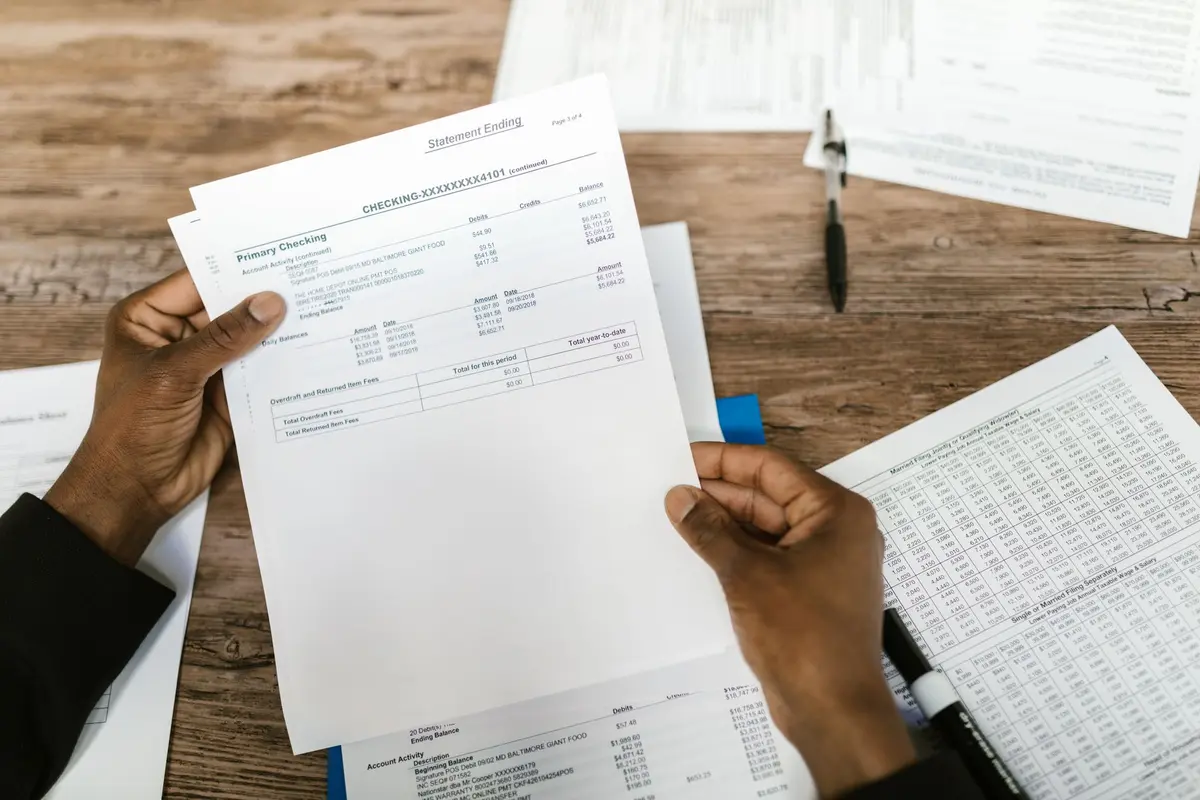
An AI returns processing clerk is an automated worker that takes over the repeated steps of a returns desk. It checks each return request against the returns policy, creates the return label and the refund instructions, and sends the customer status updates. A human returns clerk usually does these same steps by hand, moving between an inbox, a spreadsheet and an order system. The AI worker does them inside the systems the business already runs. Anything that needs a physical condition check, a fraud review or a judgement call goes to a person. The owner keeps the people, but they spend their time on exceptions instead of copying details from one screen to another. The safest first step is to write the returns policy as clear rules, because the AI can only apply what is written down.
In short
- A returns processing clerk's repetitive core is policy checks, labels, refund instructions and status updates.
- An AI worker can handle those steps when the returns policy is written as clear rules.
- Physical inspection, fraud review, relationship calls and refund sign-off should stay with a person.
- Switch over in stages: read-only first, then drafts, then automatic handling of eligible requests only.
- Automation is not worth it for very low volume, unwritten policies or messy order data.
What a returns processing clerk actually does all day
Job postings for this role use a mix of titles, including returns clerk, return clerk and returned item clerk, and the day-to-day duties are close to identical. A job description posted in 2026 describes the core as processing returned merchandise in line with company policy, inspecting items for damage, documenting their condition, and issuing refunds or exchanges. The clerk also keeps the records straight and answers customers who ask about the process. In practice, the tasks below make up most of a shift.
- Check each return request against the returns policy, including the return window and whether the item is returnable at all.
- Approve, decline or escalate the request, and record the decision.
- Issue a return authorization number and the return label.
- Write refund or store credit instructions for the finance or accounts team, then confirm they were actioned.
- Send the customer a status update, from the moment the request arrives to the moment the money comes back.
- Log the return reason and any customer notes in the order system or spreadsheet.
- Receive the parcel, match it to the return record and the paperwork that came with it.
- Inspect the item, grade its condition and record that grade.
- Send suspicious returns to a fraud review.
- Restock, refurbish or send for disposal, and reconcile quantities against the returns forms.
The volume varies. A shop that takes a few returns a week has a clerk who spends part of the day on this work. A distribution center or a large online store has people doing nothing else. Know your own numbers before you decide anything. Count how many requests came in last month, how many were refunded in full, and how many required a second look. Those three counts tell you where the time goes.
Which of those tasks an AI worker takes over, task by task
Most of the repetitive core sits in the first six tasks. The AI worker reads the request, compares it with the written policy, and either approves or sends it to a person. For eligible requests, it creates the return authorization and label through the returns platform, writes the refund instruction, and sends the customer a message. The rest of the work follows the same logic. The steps are rules-based and they repeat, which is why they are the first candidates for automation.
Policy checks come first. Platforms such as Loop Returns, AfterShip Returns, ReturnGO and ReturnLogic let a business set return windows, item conditions and exceptions as rules, then approve or route requests automatically. Minimal AI describes a setup where the policy is written as rules in the returns platform, and an AI agent then answers the customer in the same conversation. That matters because many requests never start in the portal. A customer writes to the support inbox or sends a WhatsApp message asking whether the item can still go back. The AI worker can read that message, check the order, and reply, provided it has access to the order record. Connect Gmail or Microsoft Outlook for email, WhatsApp Business for chat, and Shopify, WooCommerce or your order system for the order data.
Label creation and refund instructions are the next step. Sendcloud, for example, generates labels and customs documents for international returns, which helps businesses that ship across borders. The AI worker can trigger the label, store the tracking number against the request, and write the refund instruction with the amount, the method and the order reference. Where the business uses an ERP such as SAP Business One, Microsoft Dynamics 365 or Odoo, the AI worker writes the credit note request into that system so the accounts team sees it in the normal queue. It should not post the refund by itself unless the owner has decided that a refund below a set value needs no approval.
Status updates are the least glamorous task and often the one that eats the most time. Customers ask where their refund is, and each answer takes a few minutes. Automated tracking and status messages cut the number of these follow-ups, and an AI worker can answer the common questions from the same record. It can also log the return reason and customer notes in the spreadsheet or CRM, so the reason data is usable for the next buying decision.
The AI worker needs four things to do this work reliably. It needs the written returns policy, read access to the order history, write access to the returns platform or the spreadsheet where requests are logged, and a clear list of the cases it must hand over. Without the last item, it will guess, and guessing about refunds is expensive.
What stays with a person, and why
Some of the clerk's work depends on looking at a physical item or on judgement about a person. These steps should stay with staff, at least for now. The first is condition inspection. When a parcel arrives, someone has to open it, compare the contents with the return record, check for missing parts, and grade the item. An AI worker can read the paperwork that came with the parcel, but it cannot feel a damp garment, see a scratch on a screen, or tell whether a returned appliance has been used and cleaned. Where the return depends on a physical check, the person decides the outcome.
Fraud review is the second. Industry figures show that fraud is a real part of returns. The National Retail Federation and Happy Returns estimated in October 2025 that 9% of returns are fraudulent, based on a survey of 2,006 consumers and 358 ecommerce professionals at large US merchants. Other research, from Appriss Retail, put the 2024 share much higher at 15.14% of returns, using a different method. The two figures do not agree, and neither should be treated as a rule for your own business. What matters is that a flagged case needs a human who can look at the account history, ask a follow-up question and make a call that the customer can appeal. An automated rule can flag a pattern. It should not accuse a customer.
Relationships are the third. A regular customer who missed the return window by two days, or who has a complaint about a damaged gift, may need a person to bend the rule. The owner decides how far the business will bend, and that decision should sit with a named person. The fourth is sign-off. Refunds above a set value, store credit that overrides policy, and any change to the policy itself need approval. The AI worker can prepare the case, but a person should approve the money going out.
Regulation adds a fifth area. In the European Union, the Consumer Rights Directive (2011/83/EU) gives buyers of goods bought at a distance a right to withdraw within 14 days, and sets a time limit for refunds after the goods come back. In the United Kingdom, the Consumer Contracts Regulations 2013 follow a similar pattern. Any AI worker that touches refunds needs a rule for these deadlines, and a person should check the cases that fall near them. Personal data in return records also falls under data protection law, such as the EU General Data Protection Regulation (2016/679), so access should be limited to what the worker needs.
How this role differs by business type
The core clerk task is the same everywhere, but the details change with what is sold and who sells it. The table below shows the most common settings where this role exists, and how the split between the clerk and the AI worker moves in each.
| Business type | What the returns processing clerk does there that is specific | What the AI worker handles there |
|---|---|---|
| Online fashion retailer on Shopify | Checks return windows and tag status, decides between refund, exchange and store credit, and looks at garment condition on arrival. | Applies exchange-first rules, creates the label, sends the customer status updates, and triggers store credit when the item is scanned in as eligible. |
| Consumer electronics seller with warranty cover | Checks serial numbers and purchase dates, separates warranty claims from refunds, and decides what goes to a repair partner. | Checks the purchase date against the warranty window, opens the repair or return request, and sends packing instructions and the courier label. |
| Wholesale distributor selling to trade customers | Matches each returned line to an invoice and a credit note, applies contract terms, and reconciles quantities against the delivery paperwork. | Matches the return to the invoice in the ERP, drafts the credit note for approval, and chases missing documents from the customer. |
| Pharmacy or health supplies retailer | Checks whether the product category can be returned at all, and handles items that must not go back on the shelf for hygiene reasons. | Flags non-returnable categories at the start of the request and sends the case to a qualified person, with a short written reason for the customer. |
| Third-party returns warehouse run for several brands | Receives parcels, opens them, sorts items into restock, refurbish or disposal, and records the grade in the warehouse system. | Reads each return record, tells the warehouse where each parcel should go, updates the status in the warehouse system and notifies the brand. |
| Cross-border seller shipping to several countries | Handles customs paperwork for returns, works out who pays duties on the way back, and sends returns to the right address in each country. | Generates the return label and customs document where the platform supports it, selects the return address by country, and sends the customer the local instructions. |
In every row, the clerk still owns the decisions that depend on a physical item or a regulated product. The AI worker takes the paperwork, the messages and the lookups. A business with a single clerk and a steady stream of returns may find the biggest gain in the messages and the label work. A warehouse with a team of clerks may find the bigger gain in the reconciliation between the warehouse system and the ERP.
How the switch happens, week by week
Do not switch everything on at once. A returns desk is a place where a bad rule costs money on every request. The change works best as a series of small steps, with the person still in place at each stage.
Week 1: write the rules and read the requests
Write the returns policy as a list of plain rules. Cover the return window, the item conditions, the categories that cannot be returned, the value limit for automatic refunds, and the cases that always go to a person. Pull a sample of recent requests and check how the clerk handled each one. If two clerks would decide the same case differently, the rule is not clear enough yet. Connect the AI worker to the support inbox in read-only mode. It should read messages and suggest a response, but nothing goes out to a customer.
Week 2: draft replies and labels for approval
The AI worker now drafts replies and prepares labels and refund instructions. The clerk reviews each draft before it is sent or printed. Log every difference between the draft and the clerk's final decision. Most differences will come from policy gaps or unclear wording, and those are fixed in the rule list, not by changing the AI worker's behavior ad hoc.
Week 3 and 4: let eligible requests run, route the rest
For requests that clearly meet the policy and fall below the refund limit, the AI worker now creates the label, sends the status update and writes the refund instruction on its own. Everything else goes to a person, with a short summary of the case so the clerk does not have to reopen the order. Keep the clerk on inspection, fraud flags and exceptions. Track how many requests were routed and why. Those routing reasons show which rules need work.
Week 5 and 6: sample and tighten
Start a weekly sample. Read a set of automatically handled cases, check the refund amounts, and check the customer messages for tone and accuracy. Tighten any rule that produced a wrong outcome, and raise the automatic refund limit only after a clean run. The clerk's time shifts from processing to reviewing.
After week six: the role becomes review and exceptions
Once the rules are stable, the role shrinks to review. The clerk checks the exception queue, carries out physical inspections, handles fraud review and approves refunds above the limit. The clerk also owns the policy rules and reviews the weekly sample. The role does not disappear in this model. It becomes smaller and more focused, with fewer hours spent copying details between screens.
Risks, and when not to automate this role
The first risk is a wrong rule applied at scale. An AI worker that approves returns outside the window will repeat that mistake on every matching request until someone notices. Sample the output, and cap the value and volume of automatic refunds during the first months. The second risk is fraud. Automation makes it easier to approve many requests quickly, and it can also make it easier to approve fraudulent ones. A flagged case should stop automatic approval, and a person should decide.
The third risk is the customer experience. A customer who gets a fast reply that is wrong is worse off than a customer who waits a day for a correct answer. Give the AI worker a clear way to hand over to a person, and make sure customers can always reach one. The fourth risk is data. Return records contain names, addresses and order histories. Limit what the AI worker can read and write, and check where the platform stores that data.
Automation is not worth the effort in several cases. If a business handles only a handful of returns a month, the setup time and the review time may cost more than the clerk's hours. If the policy is not written down, the AI worker will be guessing, and the clerk will spend the saved time fixing mistakes. If the product needs a physical inspection for almost every return, most of the value sits with the inspector, and the automation gains are small. If order records are messy, with duplicate customers and missing order numbers, clean the data first. Finally, if the business has no one to own the rules and review the sample, the setup will drift within a few months and nobody will notice until a customer complains.
Sources
How AiStaffo would automate this
AiStaffo would start by connecting the inbox, WhatsApp, the order system and the returns platform to one workflow, so every request is read against the same written policy. Eligible requests would be approved, labelled and given a refund instruction automatically, and the customer would receive status updates at each step without anyone copying details by hand. Requests that need a physical check, a fraud review or a sign-off above the agreed limit would go to a named person with a short case summary. The owner would still set the policy rules, approve exceptions and review a weekly sample of automatic decisions. Book a free automation audit
Questions people ask
What are the main duties of a returns processing clerk?
Can AI replace a returns processing clerk completely?
Which tools does an AI returns worker usually connect to?
How much of the return rate is fraud?
What should I do before automating returns?
Book a free automation audit
Thirty minutes. We look at one process you run every week and tell you exactly what an AI worker would take off your desk, and what it would not.