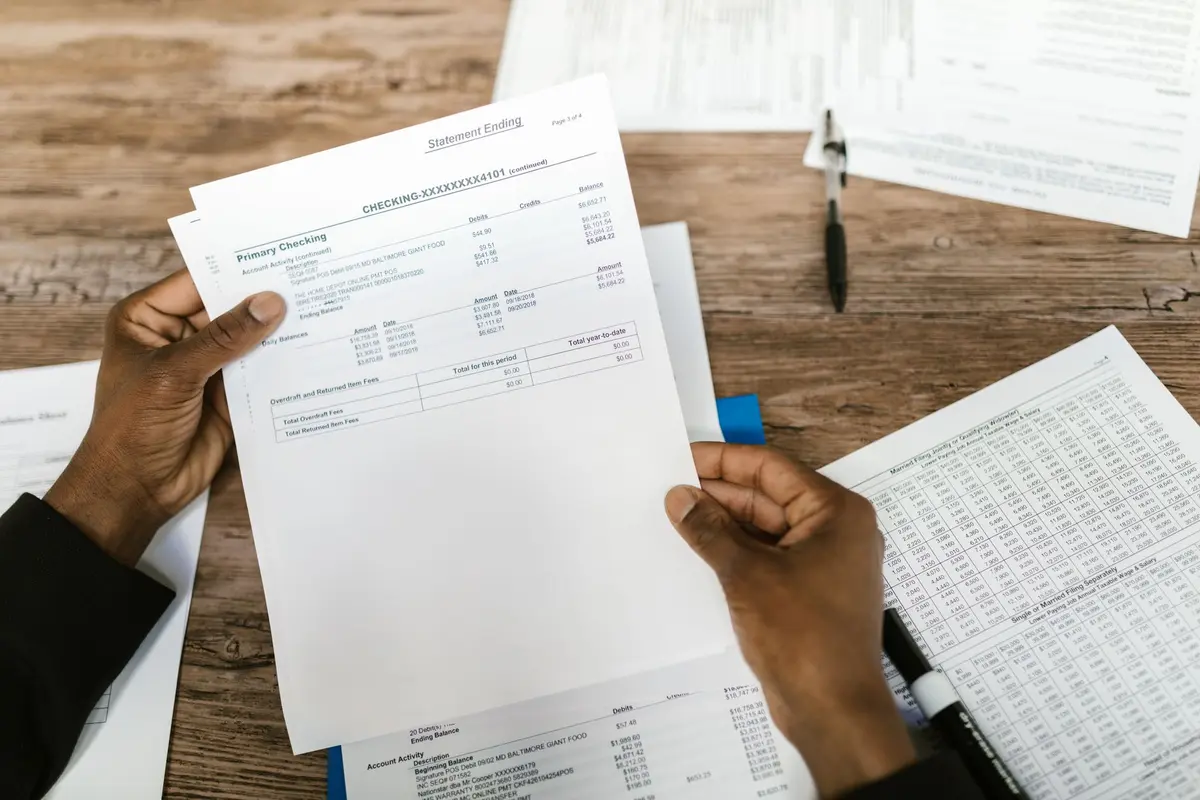
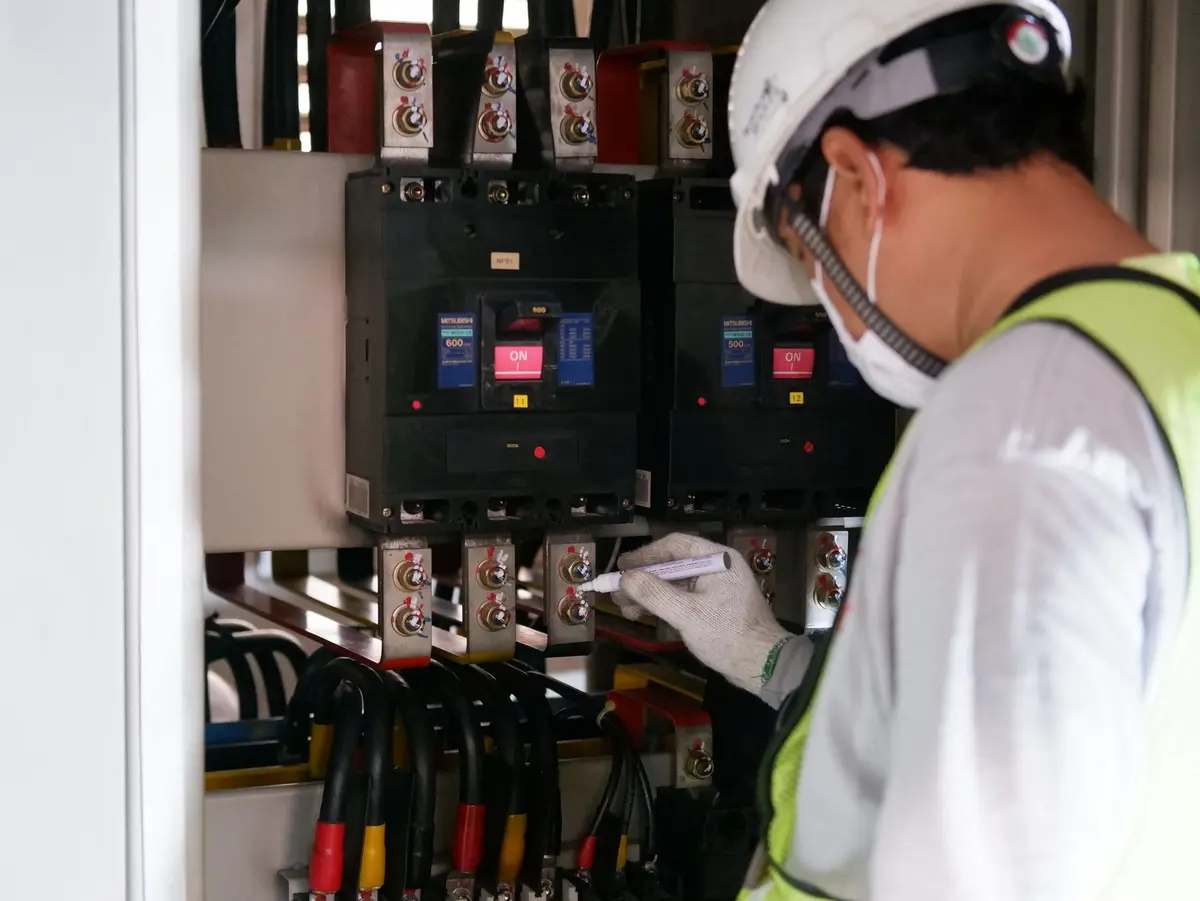
Fleet Fuel Card and Toll Receipt Matching Service

AiStaffo builds and runs an automated process that pulls fuel card transactions, toll invoices and driver receipts into one ledger. Each charge is matched to a vehicle and a trip every week, using the card, the tag or plate, the date and the vehicle's recorded location and mileage where that data exists. Charges that do not match, and purchases that fall outside a vehicle's normal pattern, are placed on a review list for the fleet manager. Routine matching is done by the system, so the fleet manager spends time on a short exception list rather than line-by-line checks. The service suits fleets of any size with enough card and toll volume to make manual checks slow, and it does not replace the judgement needed to decide whether a purchase was misuse.
In short
- Fuel card and toll charges are matched to the right vehicle and trip each week, not at month-end.
- Card and tag assignments need effective dates, or a year of spend can be attributed to the wrong truck.
- Your fleet manager reviews a short exceptions list instead of every line of every statement.
- Fraud rates are estimated widely, so the process measures your own rate before any saving is claimed.
- Very small fleets with few cards may not gain enough to justify the setup.
What this service is
Fleet fuel cards and toll accounts generate a steady stream of small charges. Each one arrives on a different statement, in a different format, often weeks after the vehicle drove past the toll point or filled its tank. Someone then has to work out which truck, which driver and which trip each charge belongs to. That job is usually done by hand, from spreadsheets, paper receipts and mileage logs. This service takes over that matching work and keeps a single, current ledger that shows what was bought, by which vehicle, and whether it fits the trip it belongs to.
Who it is for
The service is for any business that runs vehicles and pays for their fuel and tolls through fuel cards, tag accounts or driver-paid receipts. A business with five vans and a business with several thousand staff vehicles face the same core task. The difference is volume. With a small fleet, a fleet manager can sometimes check every charge by hand. Once the monthly count runs into the hundreds or thousands, checks start to be skipped, and that is where errors and misuse stay hidden.
The service is less useful if the fleet has only a handful of cards, one toll route and a manager who already reviews every statement within days. In that case the cost of setting up the ledger may be higher than the time it saves. We say so during the audit.
What is included
- A single ledger that combines fuel card transactions, toll invoices and scanned driver receipts for an agreed period of history and then every week going forward.
- A vehicle and card register that records which card, transponder or plate belonged to which vehicle on each date, so that a card moved between trucks in the middle of a year is attributed correctly.
- Matching rules for each source, such as card and vehicle, tag or plate and vehicle, and receipt and transaction, with a clear order for when one identifier is missing.
- Automatic checks that flag duplicate postings, fills or tolls at odd hours, fuel quantities above a tank's plausible capacity, fuel types that do not fit the vehicle, and purchases far from the vehicle's usual area.
- A weekly exceptions list for the fleet manager, with each item showing the charge, the vehicle, the likely reason it was flagged and the evidence attached.
- A monthly summary of matched spend, open exceptions and the items resolved, prepared in a format your accounts team can post from.
- Written notes on each rule, so that changes to thresholds or matching logic can be traced later.
How it runs
The work follows five stages. Each one ends with a decision from you before the next begins.
1. Audit
We look at a sample of recent statements from every fuel card provider and toll account, along with the vehicle list and any telematics or dispatch records you already keep. The aim is to find where the data breaks: missing plates, cards that were reassigned without a record, tags on units that have since been sold, and receipts that never reach the accounts team. The audit ends with a short written report and a clear yes or no on whether the automation is worth building for your fleet.
2. Process map
We map how a charge moves today, from the moment it is incurred to the moment it is posted. This includes who approves a receipt, who answers a toll notice, and who corrects a wrong vehicle assignment. You confirm the map. Most of the value in the project comes from the rules that this step makes explicit.
3. Build
We connect the data sources, either through the file exports or secure connections your providers offer, and build the register, matching rules and exception checks. Each rule is tested on a historical period where the answers are already known. Errors found in testing are fixed before the process goes live.
4. Run
From go-live, the process runs each week without manual input. New transactions are imported, matched and checked. Items that match are closed. Items that do not match go to the exceptions list. Your fleet manager reviews the list, marks each item as valid, disputed or misuse, and attaches any explanation. The system records that decision so the same item is not raised again.
5. Support
After go-live we monitor the feeds for failures, such as a provider changing its export format, and adjust rules when new card types, toll routes or vehicles are added. We also review the exception categories every quarter, so that the list stays focused on the cases that matter.
Why the matching needs history, not only current data
A fuel card or tag that is assigned to one vehicle today may have been on another vehicle in March. A telematics unit may have been swapped between trucks. If the register only shows the current assignment, a year of transactions gets attributed to the wrong asset. That is why the register stores effective dates for every assignment, and why the audit checks whether the record of past assignments exists at all.
Why fraud and misuse matter here
Fuel card misuse is hard to see in a monthly statement. The Transportation Intermediaries Association recorded more than 1,600 fraud reports in six months in its 2025 State of Fraud in the Industry report, which was up 65% on the previous reporting period. Industry estimates of fuel lost to theft or misallocation vary widely, from around 5% to 15% of fuel spend, and the figures come from surveys and vendor studies rather than audited accounts. For that reason we do not promise a saving. We build the process so that you can measure your own rate and act on it.
What you provide
To keep the project on schedule, you will need to provide the following. Access to fuel card and toll account statements for the period agreed in the audit. The current vehicle list with plates, identifiers and assignments. Any telematics or dispatch records you already hold. Names of the people who approve spend and resolve disputes, and their availability for a short weekly review. A decision on what counts as a valid purchase for drivers, so that the rules reflect your policy and not a generic one.
Typical timeline
The table below shows the planning ranges we use for a fleet with one or two fuel card providers and a single toll account. Larger fleets with several toll agencies or more card programmes take longer, and we confirm the plan after the audit.
| Stage | Typical length | What you receive |
|---|---|---|
| Audit | 1 week | Data findings and a go or no-go recommendation |
| Process map | 1 week | Confirmed map of current flow and rules |
| Build and testing | 3 to 4 weeks | Working ledger tested against past periods |
| Go-live and first review | 1 to 2 weeks | First weekly exceptions list reviewed together |
| Run and support | Ongoing | Weekly matching, monthly summary, quarterly rule review |
In total, a standard project usually reaches go-live in six to eight weeks from the start of the audit. These are our planning ranges, not market averages.
What this does not cover
Automation can match a charge to a vehicle and flag an unusual pattern. It cannot decide whether a driver meant to misuse a card, and it cannot stop a card from being cloned at a pump. It does not dispute a toll with the agency on your behalf unless that is agreed separately, and it does not replace your accounting controls or your tax treatment of fuel and tolls. Where a vehicle has no telematics, no tag and no receipts, the match rests on the card alone, and the exceptions list will be longer. The service also does not change your fuel card or toll contracts, and it does not manage the physical transponders or cards themselves.
Sources
How AiStaffo would automate this
We would start by pulling three to six months of statements from each fuel card provider and toll account, then compare them with your vehicle list to find where plates, cards and tags no longer agree. The ledger would then run every week without manual input, importing new charges, matching each one to a vehicle and trip, and closing the items that match. The fleet manager would see only the charges that do not match or fall outside a vehicle's usual pattern, and would record whether each one was valid, disputed or misuse. What stays with you is the decision on what counts as a valid purchase and the conversation with a driver when misuse is found. Book a free automation audit to see whether this fits your fleet.
Questions people ask
Which fuel cards and toll systems can be included?
Does the service stop fuel card fraud?
How does the system handle a card or tag moved between vehicles?
Who does the review work after go-live?
Can the service work for a fleet in any country?
Book a free automation audit
Thirty minutes. We look at one process you run every week and tell you exactly what an AI worker would take off your desk, and what it would not.