Preventive Maintenance Reminder and Work-Order Automation
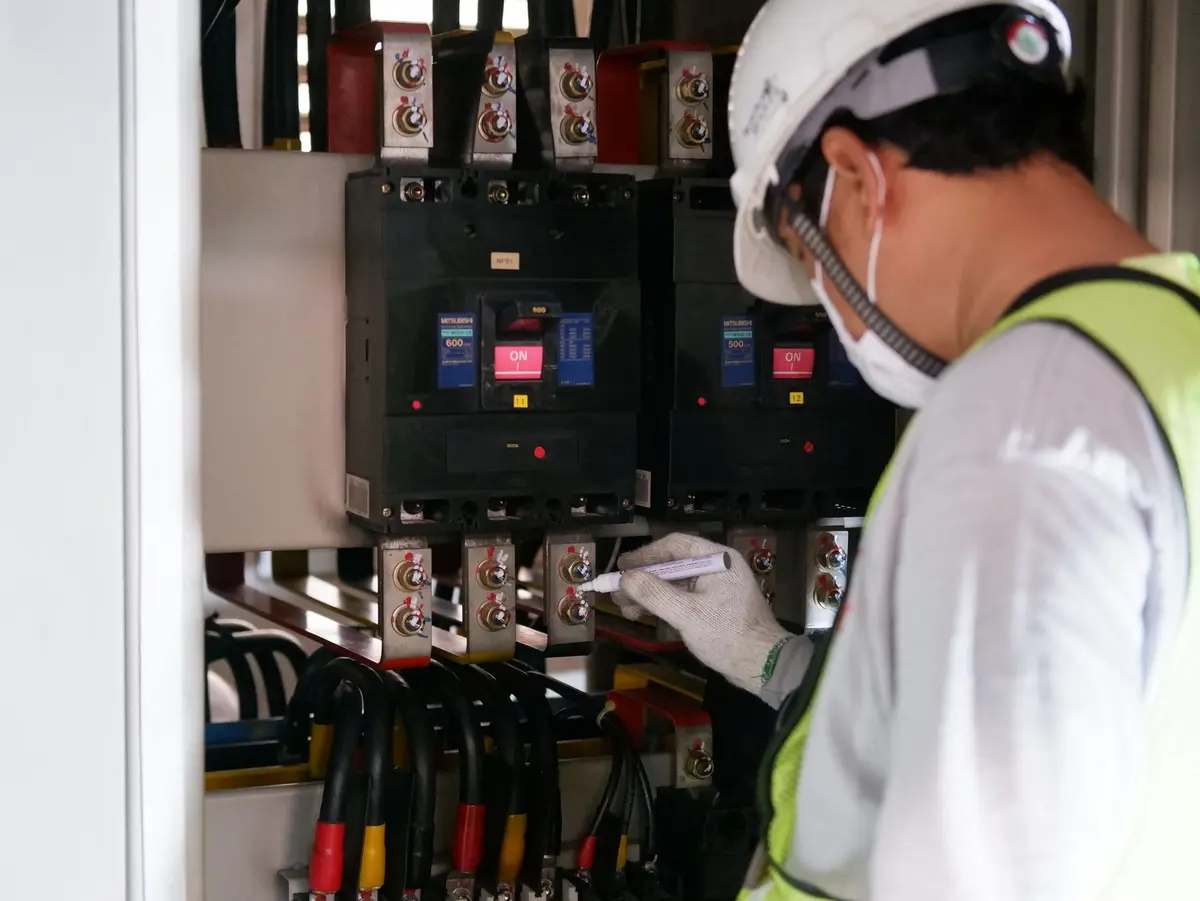
Preventive maintenance reminder automation reads the service schedule for each asset and opens a work order the moment a calendar interval or a meter reading, such as operating hours or cycles, reaches its due point. The order goes to a named technician with the checklist, safety notes and parts list attached. If the job is not started or closed in time, the system escalates to a supervisor. When the technician submits the completed checklist, the record closes with the service report stored against the asset. Your people still handle breakdowns and approve any spend above the limit you set in advance. The work is set up once, reviewed monthly, and changed only when the asset list changes.
In short
- Work orders open on the due date or meter threshold, so nobody has to remember the schedule.
- Technicians are chased and overdue jobs escalate, while records stay open until the report is complete.
- Breakdowns and spend above your agreed limit stay with a person.
- The asset list and meter readings decide the quality of the triggers, so the audit comes first.
- For a small number of assets serviced once a year, a calendar reminder may be enough.
What this service is
AiStaffo sets up a workflow that takes the reminder, work-order and follow-up steps of preventive maintenance off your team's shoulders. It starts from your asset list and the service rules for each machine, and it runs from the due date through to a closed record with the service report on file.
Who this is for
The service suits any operation that keeps equipment running on a schedule: a production plant with motors, pumps and compressors, a property group with air conditioning and lifts across several sites, a clinic with sterilisers and generators, or a transport operator with vehicles that need service by mileage or engine hours. The common feature is a long list of assets, each with its own interval, and a team that currently remembers due dates through spreadsheets, calendar alerts or a supervisor's memory.
It is not the right answer for every operation. If you have a handful of machines serviced once a year, a shared calendar with a recurring reminder for each asset may be enough. Automation pays back when missed or late services are costly, when the same assets are checked by several people, or when you need a clear record of what was done and when.
Consider a hypothetical packaging plant in Gujarat, India, with sixty motors and conveyors and a second site in Manchester, United Kingdom, with boilers and forklifts. Each site keeps its own spreadsheet. Service intervals are set by hours, cycles or months, and a monthly review finds the overdue items only after they are late. The workflow described below would replace that monthly review with a daily list of what is due, what is chased and what has closed.
What is included
- A cleaned asset register with one record per asset, covering location, make, model, serial number and the service intervals taken from the manufacturer's manual.
- Trigger rules for three kinds of due point: calendar intervals, meter readings such as hours, cycles or kilometres, and inspections required by law or by an insurer.
- Work-order templates for each asset class, with checklists, required parts, safety notes and pass or fail fields.
- Automatic creation of work orders on the due date or meter threshold, routed to the named technician or team.
- Reminders sent ahead of the due date, and escalation to a supervisor if the job has not started.
- A completion rule that keeps the record open until required fields, photos and parts used are filled in.
- Filing of the completed service report to the asset history, and a weekly list of what is due and overdue.
- An approval route that sends any spend above your agreed limit to a named approver before parts are ordered.
- A short runbook that tells your team what the system does and who decides what.
How it runs
- Audit. We review your asset list, the existing schedules, and where the data lives today, whether that is a spreadsheet, an enterprise system or a maintenance platform. We also check whether meter readings are recorded at all, and by whom.
- Process map. We draw the path from trigger to closed record, showing each owner, each handoff and each approval threshold. You sign off the map before anything is built.
- Build. We configure the trigger rules and templates in the maintenance system you already use, or in a platform you choose. Tools such as Fiix, UpKeep, Limble, MaintainX and MPACT already support time-based and meter-based preventive maintenance, so the choice depends on what your team can operate. Where meter readings come from a sensor or a machine controller, that feed is connected at this stage.
- Run. The workflow runs in parallel with your current process for a short period, so you can compare what it raised against what your team had already planned. Then it becomes the live process.
- Support. Each month we review overdue items, look at which technicians are chased most often, and update rules when an asset is replaced, moved or serviced to a new interval.
What the client provides
- An export of the asset list, even if it is incomplete.
- Manuals or service schedules for each type of equipment.
- Named owners for each asset group, and the technician roster with contact details.
- A written approval limit above which spend needs a second person to sign.
- A clear answer on how meter readings are captured, whether by hand or from a feed.
- Access to the maintenance system, or a shared location for the spreadsheet.
- A decision on who is allowed to close a work order.
Typical timeline
The table below gives planning ranges. The audit sets the final plan, and sites with many meter feeds or several legacy systems take longer.
| Phase | Indicative length | What you receive |
|---|---|---|
| Audit | 1 to 2 weeks | Cleaned asset list and a gap report on schedules and meters |
| Process map | About 1 week | Signed-off flow with owners and approval limits |
| Build | 2 to 4 weeks | Trigger rules, templates and escalation paths in test |
| Parallel run | About 2 weeks | Side-by-side comparison with your current planning |
| Go-live and support | Ongoing | Monthly review and rule updates |
What it does not cover
The workflow does not diagnose faults or decide whether a machine is safe to run. Breakdowns and emergency repairs are triaged by your people, and any spend above the agreed limit is approved by a person before parts or labour are committed. The workflow also does not replace a qualified inspector where the law requires one to sign off equipment. Automation cannot repair poor data: if meter readings are estimated or service intervals are copied from the wrong manual, the triggers will fire at the wrong time. Real-time condition monitoring, where sensors predict failure, is a separate project and is not included here. Finally, if technicians have no reliable access to a phone or tablet on site, you will need a paper fallback until that is solved.
How AiStaffo would automate this
AiStaffo would start by connecting your asset register, service intervals and meter sources to one maintenance record per asset. The system would open work orders when a calendar date or meter reading falls due, send them to the named technician with the checklist and parts attached, and chase any job that has not started. Completed checklists would close the record and file the service report to the asset history, with a weekly due list for your supervisors. Your team would still handle breakdowns, decide repairs, and approve any spend above the limit you agree. Book a free automation audit
Questions people ask
What is preventive maintenance reminder automation?
Can it work with meter readings such as hours or cycles, not just dates?
Do we need a new maintenance system to start?
Who still decides on repairs and spending?
How long does setup take?
Book a free automation audit
Thirty minutes. We look at one process you run every week and tell you exactly what an AI worker would take off your desk, and what it would not.