Reporting Assistant vs AI Worker for Recurring Reports
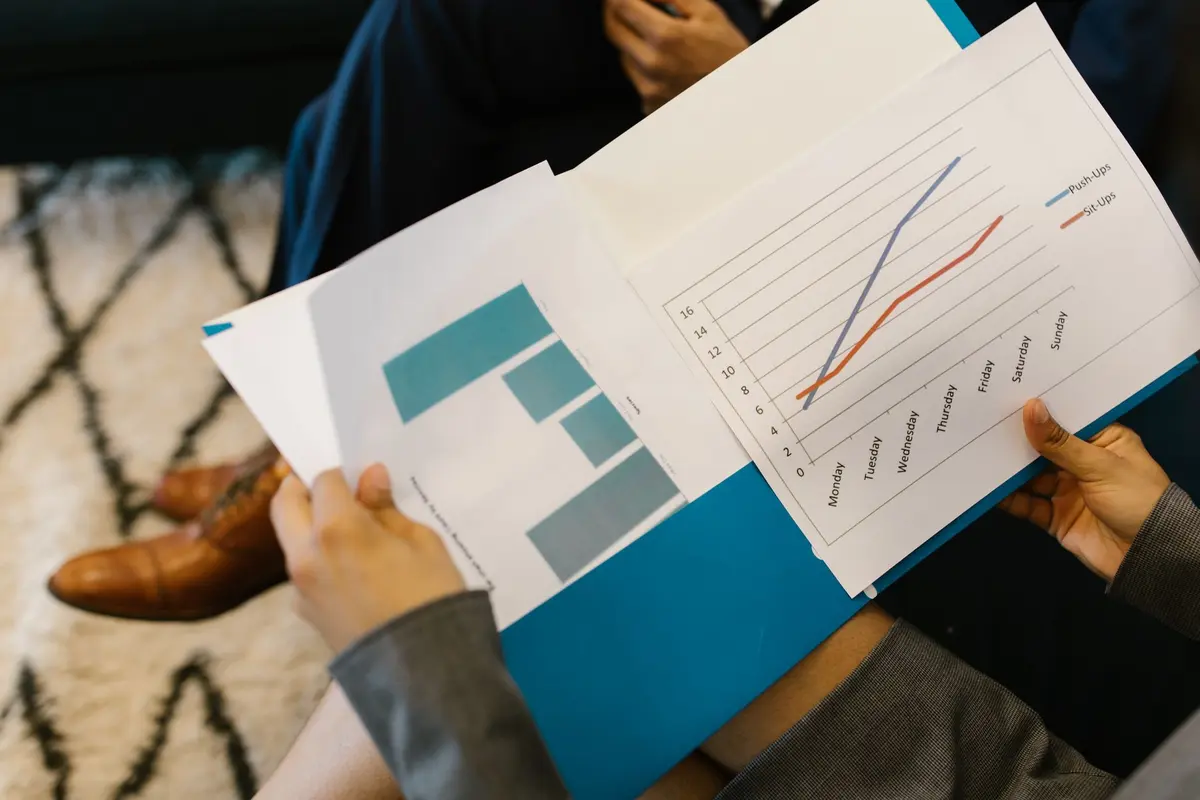
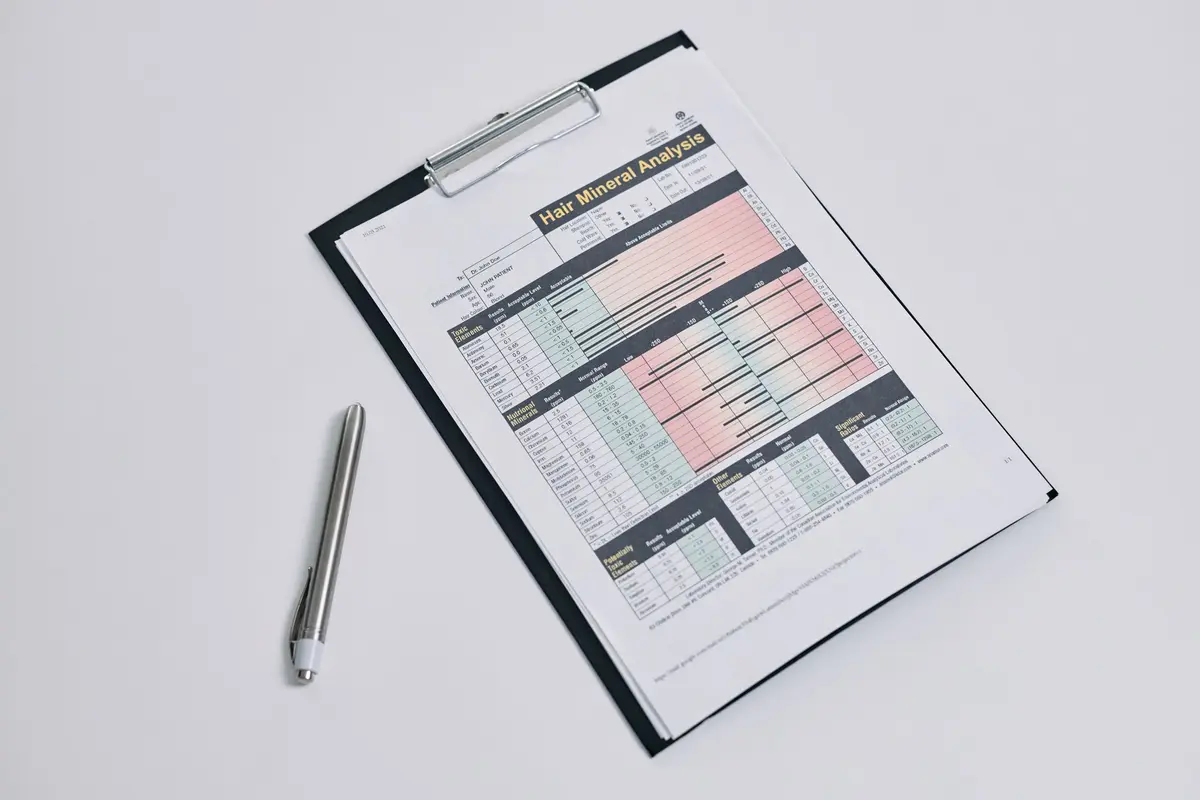
Hire a reporting assistant when recurring reports depend on changing definitions, messy inputs, frequent exceptions or judgment that is difficult to write down. Build an AI worker when the sources, calculations and output format are stable enough to specify, and a person can review exceptions. The practical choice is not simply human versus AI: it is who gathers and checks the data, who explains unusual results, and who owns a mistake. A worker is more adaptable but adds ongoing labor cost; an AI workflow can reduce repeated handling but brings setup, monitoring and breakage costs. If reports are sensitive or high consequence, retain human approval.
In short
- Hire a reporting assistant when exceptions, context and changing requests dominate the work.
- Use a custom AI worker for stable compilation with documented inputs, rules and outputs.
- Assign a person to review exceptions and own the final report in either model.
- Include setup, maintenance, breakage and lock-in in any total-cost comparison.
- Test in parallel and confirm data locations before switching reporting processes.
The short verdict
For recurring reports, hire a reporting assistant if the work changes from cycle to cycle or requires someone to interpret unusual results. Build an AI worker when the same approved sources, definitions and format produce the same kind of report, and exceptions are limited enough for a person to review.
These options solve different problems. A reporting assistant can investigate gaps, ask colleagues what changed and adapt to new requests. A custom AI worker can follow a defined process repeatedly, but it will not safely infer your business rules from a spreadsheet alone. Both need a named owner. The assistant can make mistakes; automation can also misread, omit or mishandle data. Neither choice transfers accountability away from the business.
Comparison at a glance
| Decision area | Reporting assistant | Custom AI worker |
|---|---|---|
| Recurring data sources | Can work across spreadsheets, databases, shared folders and business systems, including manual or inconsistent inputs. Someone must still establish which version is authoritative. | Can connect to agreed systems or files through available connectors, APIs or controlled imports. Each source needs stable access, permissions and defined fields. A source change can break the process. |
| Exception volume | Better suited to frequent exceptions, changing categories and missing context that requires questions or follow-up. | Best suited to low or manageable exceptions with explicit rules. Unrecognized cases should be flagged, not silently forced into a result. |
| Review needs | A person can inspect source data, query colleagues and explain the report. Review still matters, especially for financial or external reporting. | Can perform checks such as totals, missing-field tests and variance flags, but these checks must be designed and tested. A person should approve consequential outputs. |
| Continuity | Knowledge may sit with one employee; document procedures and cross-train to reduce disruption during absence or turnover. | Runs the documented workflow while systems and credentials remain available. It still needs maintenance when data, policies, software or report definitions change. |
| Who owns errors | The business remains responsible; the assistant can be assigned preparation and review duties under internal controls. | The business remains responsible; assign an operational owner for the workflow, data access, exceptions and approval. A vendor or model does not become the reporting owner. |
| Pricing tier names | Not public as a universal tier; employment terms depend on location and role. | Not public as a universal tier; custom build and ongoing support scope must be specified by the provider. |
| Integrations | Human access to systems and spreadsheet tools; integration is not inherent in the job title. | Depends on the chosen platforms and build. For example, Microsoft Power BI offers connectors to sources including Excel, SQL Server, Snowflake and Google BigQuery. Some environments require gateways or additional connector setup. |
| Limits and support | Capacity depends on the person's time, skills, training and documented procedures. Managerial support is part of the operating model. | Limits depend on source access, connector coverage, refresh schedules and the design. In Microsoft Power BI, scheduled refresh quotas vary by license or capacity; a quota does not guarantee successful refresh if a source is unavailable. |
| Data residency | Depends on where records are stored and accessed, and the employer's policies and applicable obligations. | Depends on the cloud services, model, hosting region, logs and connected systems used. Verify each component's data location and handling terms; “AI worker” alone says nothing about residency. |
| Learning curve | Needs onboarding in business definitions, systems and report standards. Knowledge improves through feedback. | Needs process mapping, clear rules, permissions, testing and an operating handover. Staff also need to learn how to review exceptions and report failures. |
How to choose by the work, not the label
Start with the last several reporting cycles. List every source, manual adjustment, question raised and correction made. Separate routine assembly from judgment. If an operator repeatedly has to decide whether a transaction belongs in a category, determine whether that rule can be stated and tested. If decisions rely on context that is not present in the data, keeping a person in the process is sensible.
A reporting assistant is usually the better fit when
- Source files arrive late, use changing layouts or need follow-up with colleagues.
- Managers change report definitions or request new explanations often.
- Exceptions are common, consequential or hard to describe as explicit rules.
- The report requires context, such as explaining why a result differs from plan.
- You need flexible support across reporting and related administrative work.
Hiring does not automatically solve inconsistency. Give the assistant an agreed source-of-truth list, definitions, due dates and a review process. Keep instructions and access in business-controlled locations so a new employee can take over.
An AI worker is a stronger fit when
The same fields arrive on a predictable schedule, the calculations are documented, and output structure changes rarely. For example, an internal weekly operations pack may be suitable if the system can pull approved figures, reconcile them to a defined control total, mark missing inputs and route exceptions to a person. If an input is missing, the safe behavior is to stop or flag the report rather than invent a value.
Use conventional reporting tools for calculations and charts where they fit. AI may help classify documents or draft a plain-language summary, but generated explanations should be checked against the underlying numbers. Treat a fluent narrative as a draft, not evidence that the data is correct.
Total cost goes beyond the sticker price
For a hire, account for recruitment, onboarding, salary or contract terms, management time, leave coverage, training and the time needed to document procedures. Those costs vary by country and employment arrangement, so there is no single global price comparison.
For a custom AI worker, account for process discovery, data cleanup, connector or API work, access controls, testing, monitoring, incident response and changes to the workflow. Add the cost of the underlying software, cloud usage or reporting licenses where applicable. Microsoft publishes Power BI Pro at $14 per user per month and Premium Per User at $24 per user per month, paid yearly on its US pricing page; these are 2026 listed prices, not the cost of a custom automation or a worldwide quote. Check local pricing and licensing requirements before budgeting.
Breakage is a real cost. A renamed spreadsheet column, changed API permission, expired credential or new report definition can interrupt a workflow. Budget for someone to notice failures, correct the process and verify any affected outputs. A system that runs unattended but has no failure alert is not low-maintenance; it is simply harder to supervise.
Vendor lock-in also deserves attention. Before commissioning a build, ask where workflow logic, prompts, mappings, credentials and logs live; whether you can export the configuration and report outputs; and what happens if the provider or model changes. Keep business definitions, test cases and source mappings in a form your team can access. For a hire, the parallel risk is knowledge concentrated in one person's memory.
When custom-built wins
A custom worker may be worthwhile when reporting repeatedly consumes staff time, the steps are stable, and off-the-shelf reporting does not connect the necessary systems or handle the handoffs. It can coordinate extraction, validation, report assembly and delivery within one documented process. It is not automatically better than Power BI, Excel formulas, scheduled exports or a well-designed database query. Use the simplest approach that meets the control and reporting needs.
Custom work is a poor fit if source data is unreliable, definitions are disputed, or management expects the system to decide what a metric should mean. Resolve those issues first. Where reports support payroll, financial statements, regulatory submissions or other consequential decisions, preserve review and approval by an appropriate person.
Migration notes
- Inventory the current process. Record each report, source, owner, deadline, calculation, manual adjustment and recipient. Note which figures are copied and which are interpreted.
- Agree on definitions. Write down reporting periods, exclusions, currencies, rounding and treatment of missing or late data. Keep an example of an approved report and its source values.
- Test in parallel. Run the proposed workflow beside the current process. Compare totals and investigate differences before recipients rely on the new output.
- Define exception handling. Name the person who receives alerts, what conditions stop delivery and who can approve corrections.
- Protect access and location. Use the minimum necessary permissions. Confirm where data is stored and processed across the reporting platform, automation service and model. Microsoft’s Power BI guidance, for instance, distinguishes tenant home region and capacity location, so verify the actual deployment rather than assuming residency from the product name.
- Plan handover and rollback. Keep the old process available until the replacement is accepted. Document how to rerun a missed cycle and recover if a connection or report definition changes.
The useful comparison is not whether people or AI are better at reports in general. It is whether this particular report is repeatable, testable and supported by trustworthy inputs. Automate the stable assembly. Keep a person accountable for interpretation, exceptions and approval.
How AiStaffo would automate this
AiStaffo can map the recurring report process, connect the approved files or business systems, and automate data collection, checks, report assembly and delivery. The workflow can flag missing inputs or unusual values for a person rather than treating every case as routine. The owner still defines metrics, reviews exceptions and approves consequential reports. Book a free automation audit.
Questions people ask
Can AI prepare recurring reports without human review?
When should I hire a reporting assistant instead of automating reports?
What should be included in the cost of report automation?
Who is responsible if an automated report is wrong?
Does Power BI automatically refresh every report source?
Book a free automation audit
Thirty minutes. We look at one process you run every week and tell you exactly what an AI worker would take off your desk, and what it would not.