Former OpenAI Engineer Indicted Over Alleged Conference Room Recorder
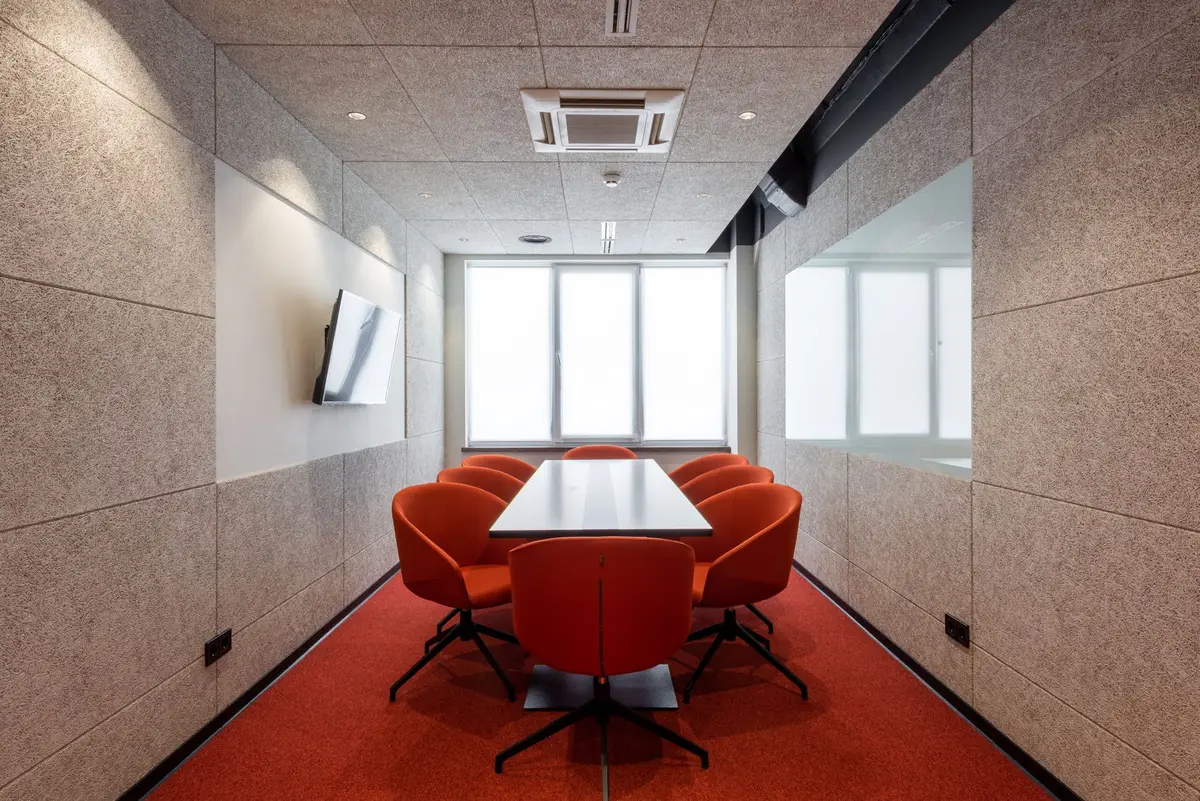
A federal grand jury has indicted Abdulrahman Alfozan, a former engineer at OpenAI, on a felony count of intercepting oral communications. According to the San Francisco Chronicle, prosecutors say he hid an encrypted audio recorder behind a television in an executive conference room at OpenAI's San Francisco headquarters. The US Justice Department says he was arrested on 9 October 2026. His lawyers dispute the allegations, and an indictment is a formal charge, not a finding of guilt. OpenAI has said it fired him and referred the case to the FBI. For business readers, the case is a reminder that a physical device in a meeting room can capture what automated systems never see, and that access controls, room checks and account permissions still need a named person to own them.
In short
- A federal grand jury indicted Abdulrahman Alfozan on a felony count of intercepting oral communications; he has not been found guilty.
- The alleged device was a physical recorder hidden in a conference room, not a software breach.
- Door logs, room bookings and AI tool permissions are the records a business can check every week.
- Automation can flag unusual room access, but a person must still sweep rooms and own the decision.
- Watch for the court schedule, the forfeiture request and any new charges.
What happened
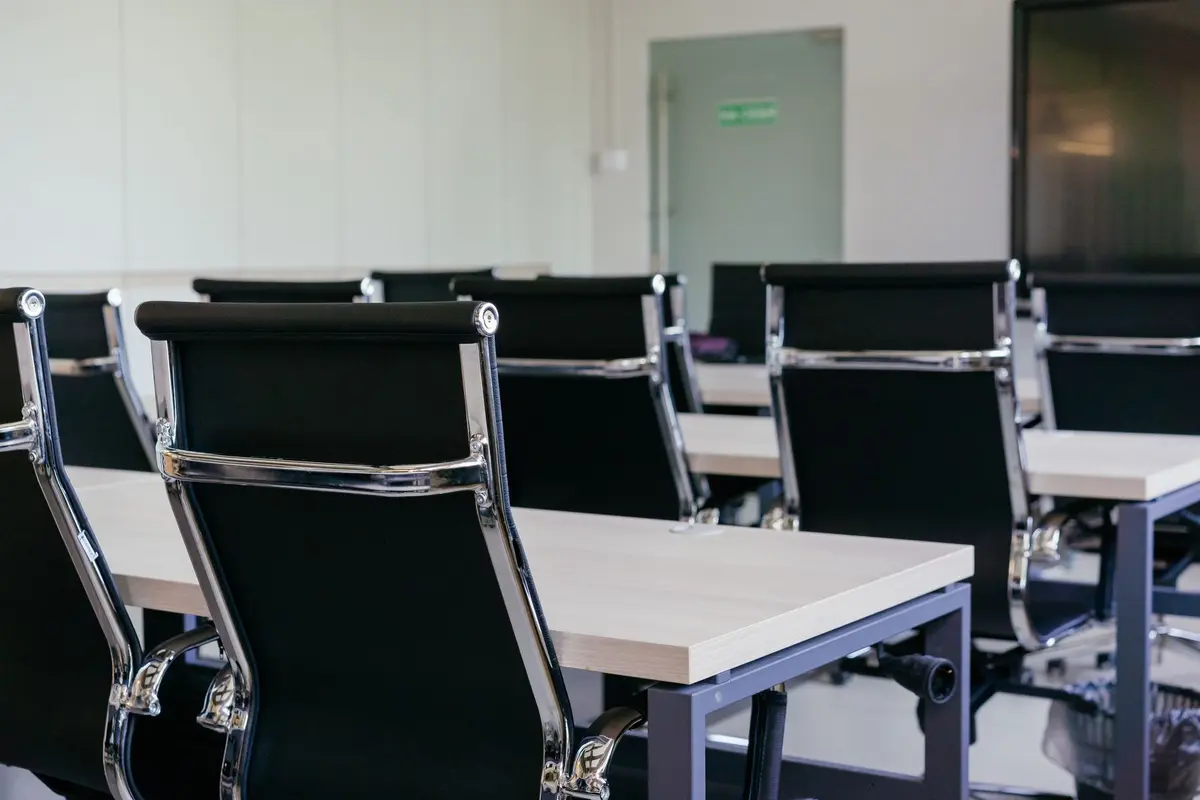
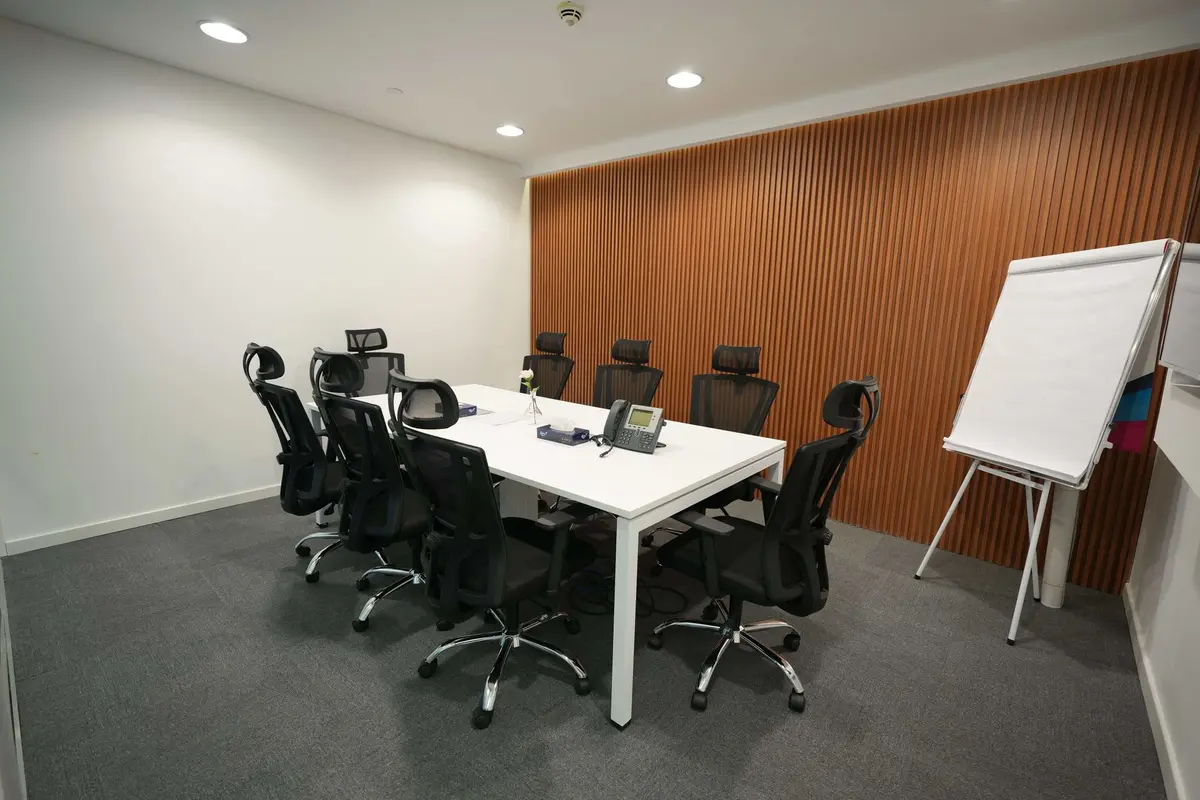
According to the San Francisco Chronicle, a federal grand jury indicted Abdulrahman Alfozan, 35, on 27 October 2026. The indictment charges him with felony interception of oral communications. The newspaper reports that prosecutors allege he installed an encrypted listening device in a conference room at OpenAI's headquarters in San Francisco, and that the device was hidden behind a television in a room used to discuss confidential research, business plans and government partnerships.
The US Justice Department says Alfozan was arrested on 9 October 2026. He had worked at OpenAI as an engineer since July 2025, according to the department. In its complaint, prosecutors describe a recorder wrapped in toilet paper and plugged into a USB port on the back of the television. Investigators say the device was installed around 28 September and that OpenAI staff found it on or about 30 September. The indictment alleges that the device was used between 28 September and 5 October.
OpenAI has said it fired the employee and referred the matter to the FBI. The company also said it used its internal AI models to identify the person responsible and to trace the device's origin. Prosecutors have also described a second, similar device found in a bag Alfozan had left at the company. The contents of any recordings, and whether they reached anyone outside OpenAI, are not yet public.
The charge is still an allegation. Alfozan's lawyers dispute it. Court filings describe a detention hearing in which a judge kept him in custody while the case proceeds.
Why it matters for businesses that automate work
Most public discussion of AI security focuses on software: stolen model weights, leaked code, or misused cloud accounts. This case is different. The alleged tool was a small physical recorder, and the access that made it possible was ordinary building access held by an employee who was trusted inside the company.
Automation has the same blind spot. A workflow that handles reports, approvals or meeting notes depends on the systems it can reach. If a meeting room is not covered by any log, no automated process will notice a device there. The people who set up those workflows also need to know which rooms, folders and accounts a single employee can touch.
Prosecutors have also pointed to the employee's use of an AI productivity tool to ask about the company's buildings, meeting rooms and calendars before the device was installed, according to filings reported by news outlets. That detail matters for any business that gives staff AI tools with access to calendars and building information. Those queries are records, and they can be reviewed.
What changes for a business that automates work, in practice
The steps below apply to a firm with five staff as much as to a group with thousands. None of them requires new technology. Each one needs a named owner.
- List every room where confidential decisions are made, and record who can enter each one, including contractors and cleaners.
- Check audio-visual equipment in those rooms, including displays, docks and ports, on a fixed schedule and after any outside visit. A person should carry out these checks.
- Review door and badge logs for sensitive rooms each week. Look for entries that do not match a booked meeting or a known role.
- Give AI tools and automated workflows only the calendar, file and building data they need. Keep a log of what each account can reach and who approved it.
- Remove access on the day a person leaves, including access to shared AI accounts and automated workflows they set up.
An automated check can compare door logs with room bookings and send a daily list of exceptions to a named security or operations owner. It cannot inspect a television or find a device hidden in toilet paper. That still takes a physical sweep by a person.
Under the federal Wiretap Act, the rule is set out in 18 U.S.C. 2511. The statute prohibits intentionally using a device to intercept an oral communication in certain circumstances. It also allows a person who takes part in a conversation, or who has the consent of a party to it, to record it under federal law. State laws can be stricter, so a business with staff in several states should check local rules before recording any meeting. This explains the rule in general terms; it is not legal or tax advice for your case.
What to watch next
Several points remain open. The indictment is the next formal step, and the court will set the schedule for the rest of the case. Prosecutors have asked for forfeiture of equipment allegedly used in the offence, according to the Chronicle's report. The FBI investigation is described as ongoing by the agency and by OpenAI.
Reports in the Wall Street Journal, as cited by other outlets, say investigators are weighing whether to bring further charges, including economic espionage. That has not been confirmed in the indictment. Businesses should watch for any filing that confirms new charges, and for any statement on what the recordings contained.
Sources
How AiStaffo would automate this
AiStaffo would connect the badge or door access log, the room booking calendar and the list of people and AI accounts with permissions. Each day, an AI worker would compare entries to sensitive rooms against booked meetings and approved roles, then send a short exception list to a named owner. It would also record which AI tools and workflows can reach calendars and files, so that permissions can be reviewed. The owner still decides who holds access, approves changes, and runs the physical room checks. Book a free automation audit.
Questions people ask
Has Abdulrahman Alfozan been found guilty?
What is the charge in the OpenAI recording case?
Did the recording device expose OpenAI's model code or customer data?
Can automation find hidden recording devices in meeting rooms?
Can a business record its own meetings?
Book a free automation audit
Thirty minutes. We look at one process you run every week and tell you exactly what an AI worker would take off your desk, and what it would not.