Malaysia Seizes 30 AI Chip Servers at Kuala Lumpur Airport
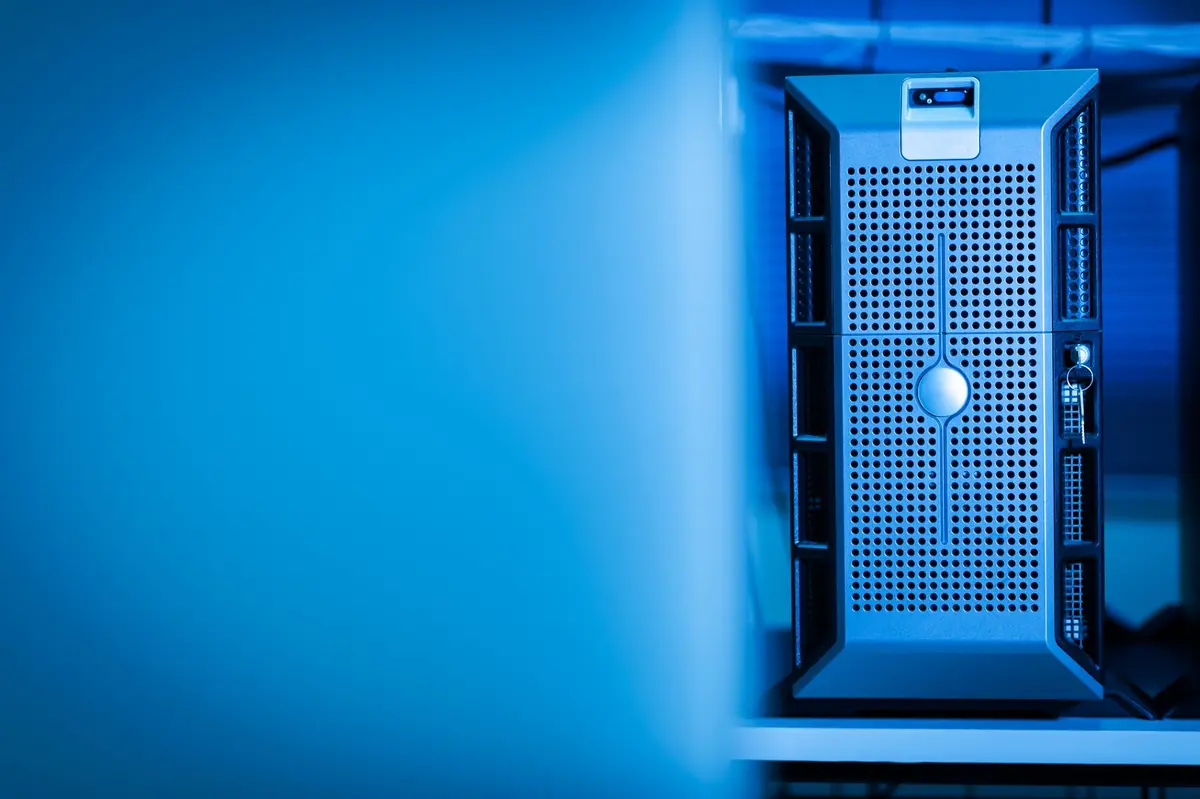
Malaysia's customs department said on 28 October 2026 that it had seized 30 servers fitted with advanced AI chips at Kuala Lumpur International Airport. The servers were found on 15 October during an inspection in the airport's free trade zone. They were declared as electronic components and were worth about 49.5 million ringgit, or roughly US$12 million. Officials suspect the goods were moved through Malaysia to avoid the permit rule the country introduced in July 2025 for US-origin AI chips. For businesses that automate shipping and customs paperwork, the lesson is that a document is only as accurate as the product description it is built from.
In short
- Malaysia customs seized 30 AI chip servers worth about 49.5 million ringgit at Kuala Lumpur airport, announced 28 October 2026.
- The servers were found on 15 October in the free trade zone and declared as electronic components.
- Malaysia has required Strategic Trade Permits for US-origin AI chip exports, transshipments and transits since 14 July 2025.
- Shipping and customs documents built from product lists can repeat a wrong description at speed.
- Classification and permit decisions stay with a trained person.
What happened
According to the Associated Press, Malaysia's customs department said it had seized 30 servers equipped with advanced artificial intelligence chips in a suspected export-control violation. Officials believe a syndicate was using Malaysia as a transit hub to re-export the chips to another Asian country. Reuters, as reported by Tom's Hardware, said officers found the servers at the airport's free trade zone on 15 October, and valued the haul at more than US$12 million (49.5 million ringgit).
The shipment was declared as ordinary electronics. Customs says that description was false and that the goods were routed through Malaysia so they could leave for their next destination without the restrictions that would apply there. A Malaysian company connected to the shipment has been asked to help the investigation. Tom's Hardware reports that the chip type, the country where the chips were made, the final destination and the intended recipient are still unknown.
The same suspected network is also linked to an earlier case. According to Tom's Hardware, customs officers found 72 server units with advanced AI chips at the same airport on 5 June 2026, worth about US$13 million, and that shipment was also declared as computer components. Customs has tied the network to seizures worth more than US$25 million across at least five cases.
Why it matters for businesses that automate work
The permit rule at the centre of the case dates to July 2025. According to the Ministry of Investment, Trade and Industry (MITI), as reported by Bernama, all exports, transshipments and transits of high-performance AI chips of US origin have needed a Strategic Trade Permit since 14 July 2025. Exporters must notify authorities at least 30 days in advance. The Star reports that the measure was introduced under Section 12 of the Strategic Trade Act 2010, which MITI describes as a catch-all provision, and that MITI said it was meant to close regulatory gaps while a review of US-origin AI chips for the strategic items list continued.
Earlier, in June 2025, MITI told Malay Mail that servers using Nvidia chips were not classified as controlled goods under the same Act. That is one reason the July 2025 measure matters for anyone who ships computing hardware. A product can look ordinary on a packing list while falling under a permit rule.
For a business that automates document work, the lesson is about wording. The case turned on a description that did not match what was inside the box. Any workflow that builds shipping documents, commercial invoices or customs declarations from a product list can repeat the same mismatch at speed, because automation applies whatever wording it is given to every shipment.
What changes in practice
For a business of any size that moves goods across borders, the change is a check step before a document leaves the building. The table below shows where automation fits and where a person still has to decide.
| Step | What runs automatically | What a person still does |
|---|---|---|
| Product records | Stores each product's specification, origin and classification code in one list | Confirms specifications with the supplier in writing |
| Document drafting | Fills description, quantity and value from the order | Reviews any line that matches a sensitive or controlled category |
| Pre-shipment screen | Flags chips, GPUs, servers or missing permit fields and holds the document | Decides whether a permit is required and files it |
| Records | Keeps a log of every check, held item and release | Answers questions from the forwarder, customs or an auditor |
Three questions are worth asking this week. Does any product you export, re-export or transit carry a chip, GPU or server? Who writes the product descriptions that go onto shipping paperwork? Can your freight forwarder show a permit reference when one is needed?
Automation has clear limits here. A screen only sees the data it is given, so it cannot tell whether a buyer is honest or where goods will really end up. Classification, permit decisions and the final declaration remain human decisions, and a customs broker or lawyer should check the rule for each product.
This explains the rule in general terms; it is not legal or tax advice for your case.
What to watch next
Three developments will show how far the case goes. The first is whether customs confirms the chip type, origin and destination, which Tom's Hardware reports are still unknown. The second is whether the Malaysian company summoned to help the investigation is named or faces action. The third is MITI's review of whether US-origin AI chips should be added to the strategic items list, which The Star reports is still under way.
How AiStaffo would automate this
AiStaffo would connect to the product list and shipping paperwork a business already uses, then run a check on each shipment before its documents are issued. Any line whose description matches a chip, GPU or server category would be held and sent to a named staff member with the specification sheet attached. Routine lines with no match would move through as normal, and every check would be logged in one place. The owner or compliance lead would still decide the classification, confirm any permit and sign the declaration. Book a free automation audit.
Questions people ask
Where and when were the Malaysian AI chip servers seized?
Does Malaysia require a permit to export US-origin AI chips?
Were AI servers treated as controlled goods in Malaysia before 2025?
Does this case affect businesses that only use AI software?
How can automation help with export paperwork?
Has anyone been charged in the Malaysian case?
Book a free automation audit
Thirty minutes. We look at one process you run every week and tell you exactly what an AI worker would take off your desk, and what it would not.