OpenAI tests visual ads during ChatGPT image generation

OpenAI announced on October 5, 2026, that it plans to test visual advertisements during image generation in ChatGPT. The test is due to begin later in October in the United States with an initial group of advertisers. According to OpenAI, the ads will be labelled and kept separate from the image being generated, and advertising will not influence ChatGPT’s answers. The company also announced expanded measurement tools and integrations with advertising and data partners, aiming to help businesses assess campaign outcomes using systems they already use.
In short
- OpenAI announced the visual ad test on October 5, 2026.
- The initial test is planned for the United States later in October.
- OpenAI says ads will be labelled, separate from generated images and independent of ChatGPT answers.
- New measurement integrations may connect campaign data with existing systems, but attribution is not proof of incremental sales.
- Businesses should define outcomes and reconciliation checks before automating campaign reporting.
OpenAI announced on October 5, 2026, that it will test a visual ad format during image generation in ChatGPT, with the test planned to begin later in October in the United States. According to OpenAI, the ads will carry clear labels and remain separate from the generated image. OpenAI also announced expanded measurement and attribution tools for advertisers. The company’s announcement and a same-day report by Digiday confirm the date and the planned US test.
What OpenAI is testing
The new format is intended to let advertisers present products or services visually while a ChatGPT user is creating an image. OpenAI says the advertisement will not be incorporated into the image itself, and that advertising will not affect the answers ChatGPT provides. The test is not a general launch: OpenAI says it will start with an initial group of advertisers in the US.
The announcement also describes expanded campaign measurement. OpenAI says Hightouch, Tealium and LiveRamp integrations can help advertisers send conversion data from their existing systems to ChatGPT Ads. It lists attribution and reporting support from partners including AppsFlyer, Triple Whale, Adjust, Branch and Kochava, among others. OpenAI says work on geo-based incrementality experiments with Haus, Measured and WorkMagic is still at an early stage.
Why it matters to businesses that automate work
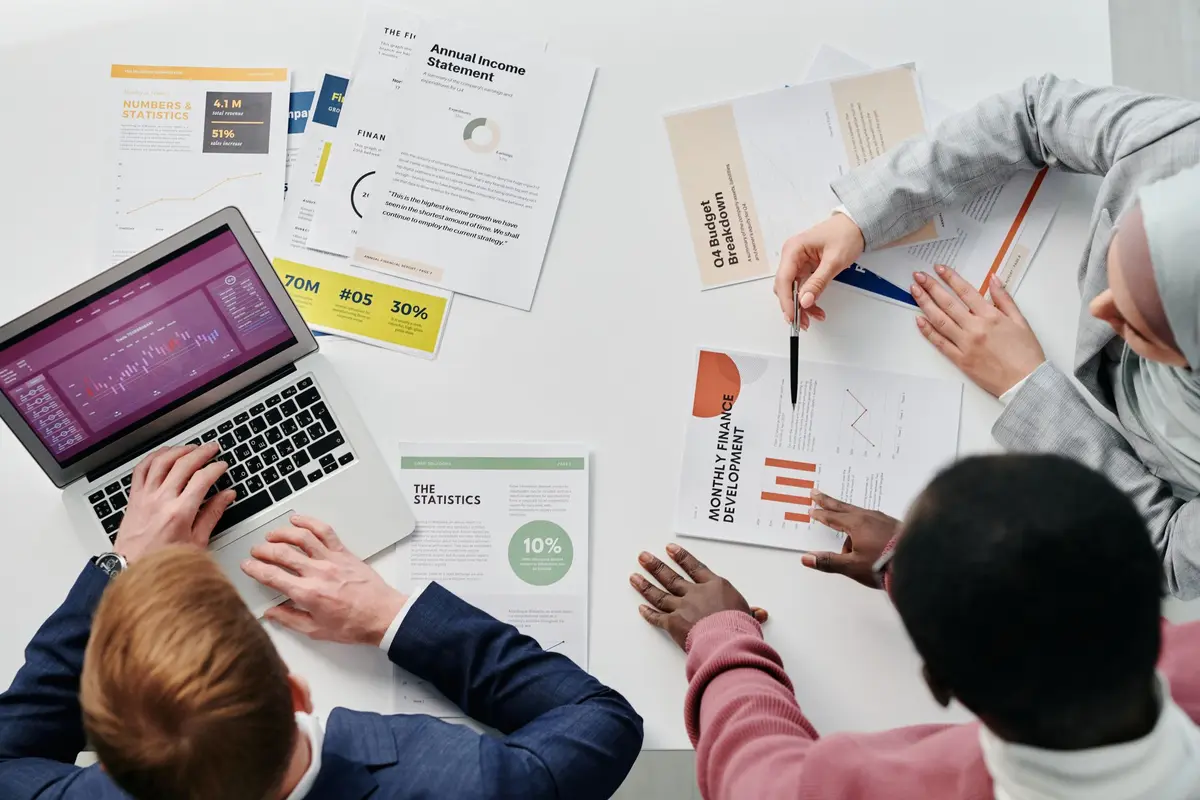
For businesses that automate marketing or back-office processes, the announcement matters less as a new image feature than as a potential new source of advertising activity and performance data. If the test expands, teams may need to handle another format, check how its results are recorded and bring those records together with website, app or sales data. That can create routine work in campaign reporting, reconciliation and follow-up, especially when data sits across separate platforms.
OpenAI’s expanded measurement options could help connect campaign information with systems advertisers already rely on. But availability of integrations does not, by itself, show that campaign attribution will be complete or comparable across tools. OpenAI describes its incrementality work as early-stage, so businesses should distinguish reported attribution from evidence that an ad caused an additional sale.
What changes in practice
For an operations team, the practical first step is not to redesign its workflow around an announced test. Instead, decide what evidence would be needed before committing time or budget: a clear campaign record, a defined conversion event, and a consistent way to compare the advertising platform’s report with the company’s own records.
| Area | Practical consideration |
|---|---|
| Creative and approval | Review the visual asset and the placement separately. The ad is described as separate from the generated image, but businesses should still check brand and campaign requirements. |
| Measurement | Agree on which business outcome matters, then check whether the relevant event is captured in both advertising and internal reporting systems. |
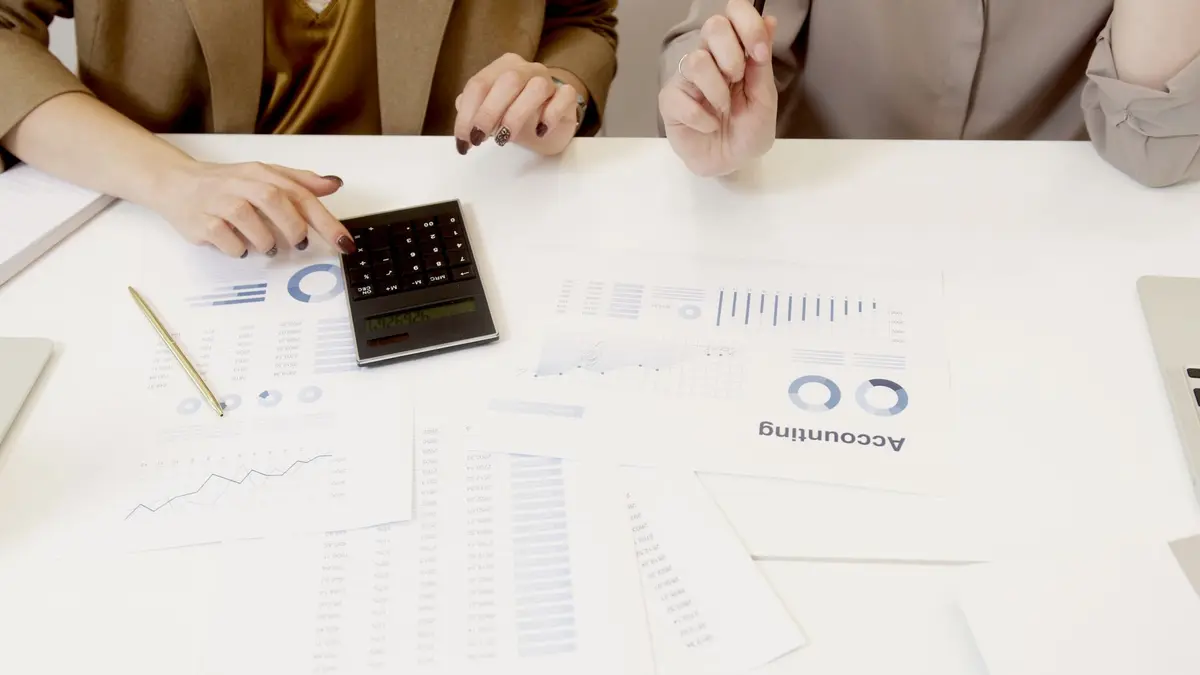
| Reconciliation | Compare campaign reports with sales, billing or customer records, and investigate differences rather than treating one platform’s attribution as definitive. |
| Automation | Where data access and permissions allow, routine imports, report preparation and exception alerts can be automated; a person should still review anomalies and decide whether results justify action. |
These checks apply whether a business has one person managing operations or separate marketing, finance and data teams. Automation can reduce repeated copying and reconciliation, but it cannot make an unclear conversion definition reliable. Nor can it resolve conflicting attribution assumptions without a decision from the business.
What to watch next
Businesses should watch for confirmation that the test has started, details about advertiser eligibility and the format’s availability beyond the initial US group. They should also look for clearer reporting guidance, including how conversion data is matched and how results from different attribution partners should be interpreted. OpenAI’s October 5 announcement does not establish a broader rollout schedule.
For now, the announcement signals a planned test and expanded measurement infrastructure, not a proven advertising channel for every business. Any decision to participate should be based on actual access, the quality of the available reporting and whether the team can compare those results with its own business records.
How AiStaffo would automate this
For a business testing this format, AiStaffo could design an automation that brings campaign and conversion records from the advertising and business systems the company uses into a consistent reporting workflow. It could prepare routine comparisons, flag missing or conflicting records, and route exceptions for review. The owner or marketing lead would still choose the success measure, approve campaign decisions and assess whether reported results justify further investment. Book a free automation audit
Questions people ask
When did OpenAI announce visual ads in ChatGPT?
Where will ChatGPT visual ads appear first?
Will ChatGPT ads be included in generated images?
What measurement tools did OpenAI announce?
Book a free automation audit
Thirty minutes. We look at one process you run every week and tell you exactly what an AI worker would take off your desk, and what it would not.