AI Renewals Executive: Job Duties, Tasks and What Stays Human

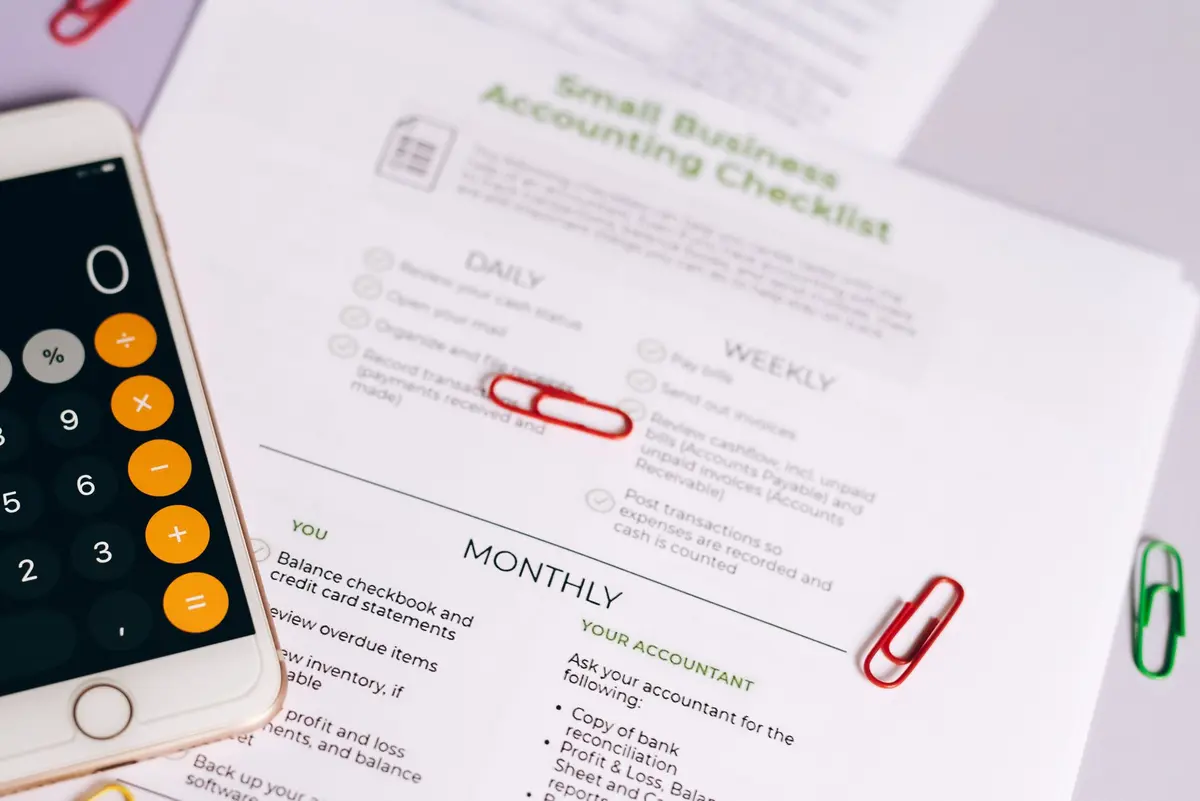
A renewals executive keeps existing customers, members or subscribers under contract. The day-to-day work is mostly administrative: watching end dates, sending renewal notices with the current price sheet, chasing unsigned or unpaid renewals and recording what happened. An AI worker can take over the tracking, reminders, chasing and logging, because those steps follow rules and leave a record. Price negotiation, retention calls and any decision to end a contract should stay with a person. The switch works best in stages, with the renewals executive still in place and exceptions routed to them, until their remaining job is reviewing what the AI worker did.
In short
- A renewals executive's routine work is mostly tracking dates, sending notices, chasing signatures and payments, and logging outcomes.
- An AI worker can run the tracking, reminders, chasing and logging, but it needs clean dates and read and write access to the CRM, inbox, e-signature tool and billing system.
- Pricing, retention calls and any decision to end or change a contract stay with a person.
- Switch in stages: build and check the register first, run the worker in draft mode, then route exceptions to the person.
- Check automatic renewal rules for each market before any notice is sent automatically.
What a renewals executive actually does all day
Job postings for this role use the word renewals in different ways. Some are senior revenue jobs. Others are closer to administration. For a business owner, the useful question is what the person does in a normal week. Across the job descriptions we reviewed, the core tasks are the same, whether the business sells software, training, insurance, gym memberships or maintenance contracts.
- Keep a list of every contract, subscription or membership with its start date, end date and renewal terms.
- Work out the notice deadline for each one, which is often earlier than the end date.
- Send renewal notices with the current price sheet and the terms that apply.
- Check whether a customer has signed, replied or paid before the term ends.
- Chase the accounts that have not signed or paid, by email, phone or messaging app.
- Prepare revised quotes when the customer asks for a different plan, seat count or term length.
- Pass accounts with a complaint, a dispute or a usage problem to the account manager or customer success team.
- Record each outcome in the CRM or the billing system: renewed, lapsed, downgraded, cancelled, or still open.
- Send a forecast of renewals, lapses and revenue to the sales or finance lead.
Some businesses add negotiation and upsell to this list. That is where the role grows into a senior job. Many renewals executives spend more of the week on the admin than on the conversations, which is why the admin is the first place to look.
Which of those tasks an AI worker takes over, task by task
An AI worker is a set of software steps that reads information, takes an action and writes the result back to a record. It does not decide what a customer should pay. It works from the dates, the price sheet and the rules the business gives it, and it logs every step. For a renewals executive, that fits the tracking, reminders, chasing and logging tasks closely.
Tracking end dates and notice deadlines
The AI worker reads the contract register, which might be a spreadsheet, a billing platform or a CRM, and calculates two dates for each agreement: the end of the term and the last day to give notice. Those two dates are not always the same. The worker should keep them separate, so that a notice deadline is not hidden behind a general expiry date. HubSpot, for example, can trigger workflows from a date property such as a renewal date, which is a practical starting point for a CRM-based register. Someone still has to enter the dates correctly and confirm them against the signed agreement.
Sending renewal notices with the current price sheet
Once a date is reached, the AI worker prepares the notice from a template and attaches or links the current price sheet. It sends it from the business's own email account or a messaging channel the customer already uses. For WhatsApp, the business must use the WhatsApp Business Platform and follow Meta's message template rules, so this part needs checking before launch. The worker logs the send time, the recipient and the version of the price sheet used. That log matters later if the customer disputes the price.
Chasing unsigned or unpaid renewals
Chasing is the most repetitive part of the job and the easiest to automate. The AI worker sends reminders on a set schedule, for example at a fixed number of days before the deadline and again after it. It checks the signature tool, such as DocuSign or the e-signature platform the business already uses, and the payment record in the billing system before each reminder. If the customer has signed or paid, the chase stops. HubSpot's own guidance describes this pattern: reminder sequences ahead of end dates, plus an internal task so a named owner always follows up.
Recording each outcome against the account
Every reply, signature, payment, lapse or cancellation is written back to the account record in the CRM, ERP or billing system. The AI worker also tags the reason where the customer gives one. This is the task that most often breaks down when people do it by hand, because the update gets postponed. A worker does not get tired of it, but it can only record what it can see, so the systems must be connected properly.
Preparing forecasts and renewal reports
The AI worker can compile a weekly list of renewals due, renewals signed, renewals lapsed and renewals still open, and send it to the sales or finance lead. The figures are only as good as the register behind them. If a contract is missing from the register, the report will not show it.
What the AI worker needs to do this
It needs read and write access to four places: the register of agreements, the email or messaging inbox used for renewals, the e-signature tool and the billing or accounting system. Common setups use a CRM such as HubSpot or Salesforce, a spreadsheet for smaller books, and an accounting or ERP system for invoices. The business should decide who owns each system, who approves the templates, and which mailbox the replies come back to. Without a clear answer to that last point, customer replies get lost.
Quotes and changes to a plan are a grey area. The AI worker can generate a quote from a fixed price list when the customer picks an existing plan. It should not build a bespoke offer, change a discount or accept a request for a different term on its own. Those cases go to a person.
What stays with a person, and why
Three kinds of work stay with a person. The first is judgement about price and value. A renewals executive who knows that a customer is about to leave for a competitor, or that a customer is growing fast, can make a better offer than a template can. Pricing exceptions, discounts, and any change to the terms are decisions for a person with the authority to sign them off.
The second is relationships. Retention calls are the moments when a customer explains a problem that the register does not show: a staff change, a poor year, a product that stopped meeting their needs. An AI worker can flag an account as at risk because of low usage or late payment. It should not be the one that calls the customer to talk them out of leaving.
The third is anything that ends a contract or touches a regulated process. Deciding not to renew, moving a customer to a lower tier, or refusing a request to cancel all need a person's sign-off. Where the contract is with a consumer, automatic renewal laws in several places set out how notices must be worded and how cancellation must work. In the United States, for example, states such as California and New York have their own rules, and the federal rule on negative option sales covers some business-to-business deals too. A person should check these before the AI worker sends any notice. The rules change, so check the current text of each statute and the regulator's page for the market you sell into. This explains the rule in general terms; it is not legal or tax advice for your case.
How this role differs by business type
The same job title covers very different work. The table below shows where the renewals executive's tasks differ most, and where an AI worker fits. Each row is a common employer of this role.
| Business type | What the renewals executive does there that is specific | What the AI worker handles there |
|---|---|---|
| B2B software and SaaS | Manages annual and multi-year subscriptions, seat counts and true-ups, and works with customer success on usage problems. | Tracks renewal dates in the CRM, sends notices and reminders, pulls usage figures into the account record, and logs outcomes. |
| Managed IT and maintenance contracts | Renews service-level agreements for equipment and support, often with a site-by-site schedule and a signed purchase order. | Builds the register of site contracts, sends notices with the current service schedule, and chases the purchase order. |
| Membership organisations, clubs and associations | Handles annual membership renewals, lapsed members and fee changes, often with many small payments. | Sends renewal messages by email or WhatsApp, follows up unpaid fees, and records the membership status. |
| Insurance agencies and brokers | Prepares renewal terms with carriers, explains changes in cover, and handles sensitive customer conversations. | Tracks policy expiry dates, prepares the renewal file for review, and sends the reminder schedule. The broker decides on cover and terms. |
| Training and education providers | Renews programmes for schools, colleges or corporate clients, often tied to academic terms and purchase cycles. | Watches term dates, sends the renewal pack with the current price list, and chases the purchase order or invoice. |
| Equipment leasing and rental | Manages lease end dates, extension offers and return or buy-out options. | Calculates the notice dates from the lease schedule, sends extension quotes from a fixed rate card, and records the choice made. |
In every row, the person still owns the decision about what the customer should be offered. The AI worker handles the calendar, the message, the chase and the record. Where a business has several entities or currencies, the register needs a separate line for each one, otherwise a renewal in one country can be missed because the notice was sent from another.
How the switch happens, week by week
A renewals executive should not be removed in the first month. The safer order is to build the register first, let the AI worker run beside the person, then move exceptions and eventually most routine sends to the worker. The timings below are a planning pattern, not a fixed schedule. A business with a large book of contracts may take longer.
Weeks 1 and 2: build and check the register
List every active agreement with its start date, end date, notice period and owner. Pick a sample of twenty or so contracts and check each date against the signed document. Most of the early errors show up here. Keep the renewals executive in charge of this check, because they know which dates are wrong.
Weeks 3 and 4: run the AI worker in draft mode
The AI worker prepares every reminder and notice but does not send them. The renewals executive reviews each draft and sends it or corrects it. Compare the worker's list of renewals due against the person's own list. Every gap is a question about the register, not about the worker.
Weeks 5 to 8: send routine reminders automatically
Turn on automatic sending for routine reminders on contracts with clean dates and standard prices. Keep the person in the loop for anything with a discount, a dispute, a late payment over an agreed threshold, or a reply that is not a simple yes or no. Those replies go to the renewals executive's queue, not to the AI worker's.
Weeks 9 to 12: route exceptions and review the log
By now the AI worker should be handling most chasing and logging. The renewals executive works from an exceptions list and a weekly review of the log. They check a sample of recorded outcomes against the source systems and fix any mismatches. If the same type of exception keeps arriving, the rule that governs it should be changed.
After week 12: the role becomes review and exceptions
At this point the person's work is mainly to review the worker's output, decide the exceptions and hold the retention and pricing conversations. Some businesses keep the job title and change the content of the role. Others reduce the number of positions. If the role is going to shrink, the notice, consultation and severance rules of the country where the employee works apply, and the change should be agreed with the employee or checked with an employment lawyer first.
Risks and when not to automate this role
The main risk is a wrong date. If the register says a contract ends in March but the signed agreement says the notice must be given in January, the AI worker will send its reminders on the wrong schedule and the business may miss the window. The register check in the first two weeks is the control for this. Repeat it whenever a contract is amended.
The second risk is a wrong price. A notice with an out-of-date price sheet can create a dispute about what was offered. Keep one version of the price sheet, date it, and have the AI worker cite the version in each message.
The third risk is a message that reads as automatic when the customer expected a call. For a large account, or any account where the relationship is the reason it renews, a template reminder can cause the loss it was meant to prevent. Keep those accounts on a person's list.
Automation is not worth the effort in several situations. It is hard to justify when the book is small and the renewals executive spends most of the week in negotiation, because the admin is not the bottleneck. It is a poor fit when the contracts are bespoke and the terms change for almost every customer, because the register cannot hold them cleanly. It is also a poor fit when the systems are a mix of paper files and personal inboxes, since the AI worker cannot read what is not recorded. In those cases, the first step is to standardise the register, not to automate the role.
Results depend on the business's own figures: how many contracts renew each month, how many are chased, and how long each chase takes today. The free automation audit measures those figures before any change is made.
How AiStaffo would automate this
AiStaffo would start by connecting the register of agreements, the renewal inbox, the e-signature tool and the billing record, so that every end date and notice deadline is in one place. The AI worker would then send the renewal notice with the dated price sheet, run the reminder sequence, and stop the chase as soon as a signature or payment appears. Each outcome would be written back to the account record with the time and the version of the price sheet used. The owner would still set the pricing rules, decide every exception, and hold the retention conversations. Book a free automation audit to measure how many renewals your team handles each month before anything is changed.
Questions people ask
What does a renewals executive do day to day?
Can an AI worker send renewal reminders automatically?
Which parts of a renewals job should never be automated?
Do automatic renewal laws apply to business customers?
How long does it take to switch from a renewals executive to an AI worker?
Is automation worth it for a small renewals book?
Book a free automation audit
Thirty minutes. We look at one process you run every week and tell you exactly what an AI worker would take off your desk, and what it would not.