AI Sample Accessioning Clerk: What It Can Take Over in a Lab
A lab sample registration clerk spends the day matching requisitions, labels and computer records until they agree, then chasing whatever is missing. An AI worker can take over most of that matching and chasing. It can read incoming requisitions from an inbox or scanned file, register the sample in the lab information system, check that the patient identifiers and test codes are complete, and send a standard chase message to the referring clinic. When a label does not match the requisition, it does not decide anything. It flags the case to a technician with both records side by side. Accepting or rejecting a sample stays with trained lab staff, because the lab's own acceptance criteria and the risk to the patient require a human decision.
In short
- Most of the accessioning clerk's time goes to matching requisitions and chasing missing details, which are repeatable tasks.
- An AI worker can register clean requisitions and send approved chase messages, but it must flag every mismatch to a technician.
- Accepting or rejecting a sample, and judging its physical condition, stay with trained lab staff under the lab's own criteria.
- Start in shadow mode, route exceptions to a person, and let the role shrink to review only once the logs support it.
- Check health data rules and the LIS connection before any automation starts.
What a sample accessioning clerk actually does all day
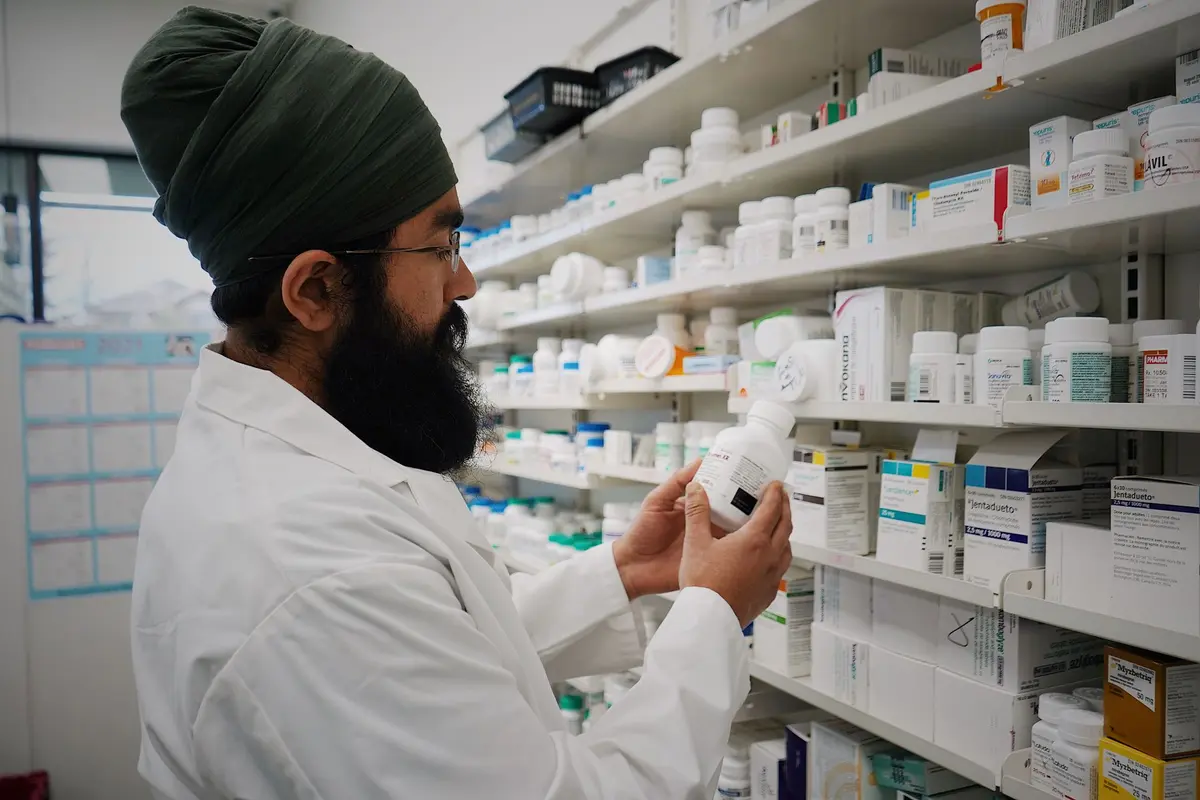
In most laboratories the accessioning clerk is the first person to handle a specimen after it arrives. The work looks clerical, but it decides whether a sample can be tested at all. Labs usually describe the job in a handful of recurring tasks:
- Receiving courier boxes and hand-delivered samples, and recording the time of arrival.
- Logging each requisition, whether it arrived on paper, by fax, as a scanned PDF or through an electronic order.
- Accessioning the sample, meaning creating or confirming the record and its accession number in the laboratory information system (LIS).
- Checking the patient name, date of birth or record number on the label against the requisition.
- Checking that every test code is valid and suits the sample type.
- Applying or printing barcode labels on tubes, containers or slide boxes.
- Chasing missing details by phone, fax or email to the referring clinic.
- Noting the condition on arrival and passing problems to the bench, then sorting urgent samples from routine ones.
The chasing is where most of the clock time goes. A clerk who finds a missing date of birth may spend ten minutes finding the right clinic contact, sending a message, waiting and then logging the reply. Multiply that by dozens of requisitions a day and it becomes the largest single block of the role.
Which of those tasks an AI worker takes over, and what it needs
An AI worker can run the repeatable checks from start to finish. It reads each incoming requisition, pulls out the fields the lab needs (patient identifiers, requesting clinic, requester contact, test codes, collection date and time, sample type), and compares them with the matching LIS record. The lab must define those fields first. The international standard for medical laboratories, ISO 15189:2022, requires the request to give unequivocal traceability to the patient and sample, identify the person requesting, and name the examinations requested. A lab that has not written those requirements down should do that before any automation starts.
The inputs are ordinary business tools. Requisitions usually arrive in a shared inbox, such as Microsoft Outlook or Gmail, or as scanned files in a folder. The LIS is the system of record, and the AI worker needs a supported way to read and write to it. Many LIS products expose an import file or an interface that the lab's IT supplier must enable, so this is the first thing to confirm. A shared Microsoft Excel or Google Sheets log can hold the working queue and the daily rejection record for people to review. For chasing, the worker can send a templated message by email or, where the clinic agrees and the data rules allow it, through WhatsApp Business. It then watches for the reply and writes it back to the record.
The worker also handles the label comparison. It reads the text on the tube or container label and matches it with the requisition. When every identifier agrees and the test codes are valid, it registers the sample and prints the barcode request for the clerk or the printer. When anything disagrees, such as a surname spelled two ways or a date of birth that does not match, it stops and creates a flag. It does not guess which version is correct. The flag goes to a technician with both records side by side. A pre-sorted queue like this is usually faster for the technician than a phone call to the clinic that starts from nothing.
What stays with a person, and why
Accepting or rejecting a sample is the decision that stays with trained staff. ISO 15189:2022 asks the laboratory to set criteria for accepting and rejecting samples for each examination, and to assess and record the potential risk to the patient of accepting or rejecting a sample. Those criteria differ by test and sample type, and the risk judgement is a professional one. A person who understands the test should make the call, even when the paperwork looks complete.
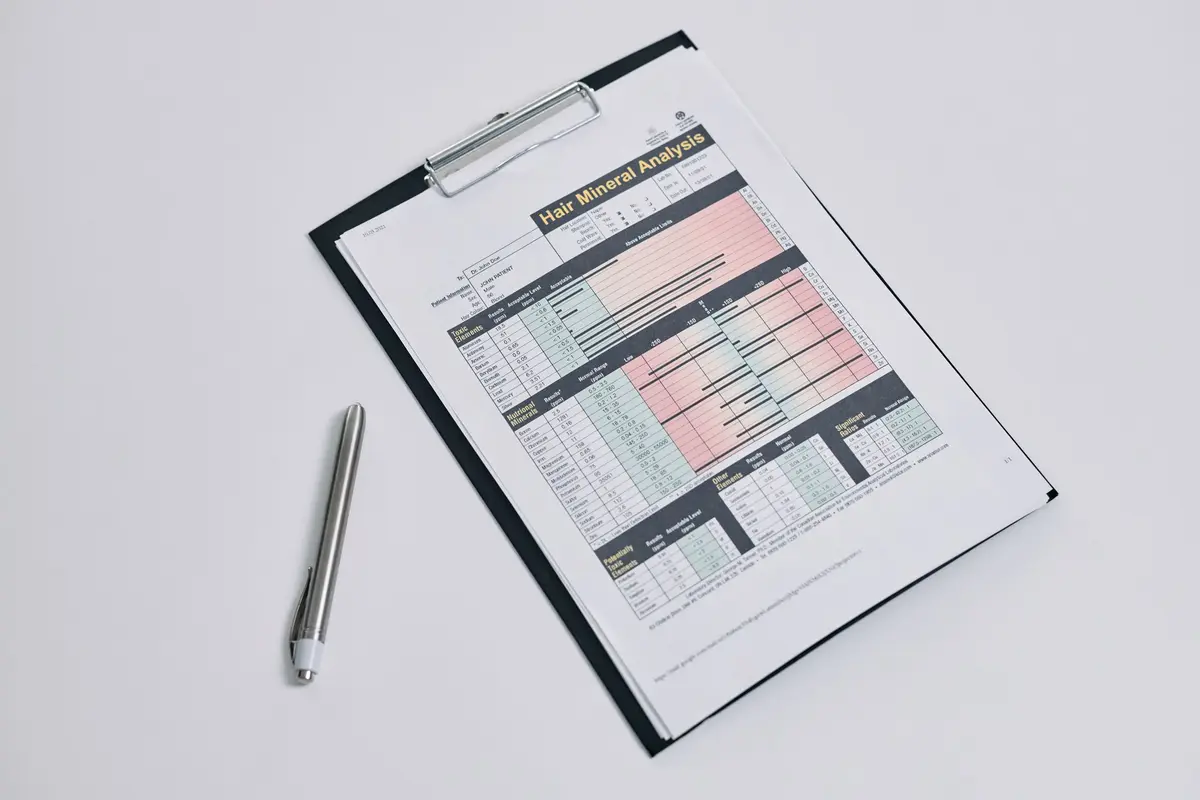
Physical inspection is the second limit. The worker reads text, not the tube. Haemolysis, clotting and short volume are visible to a trained person at the bench and cannot be seen in a scan. A 2025 retrospective study in Scientific Reports of a hospital laboratory in Ethiopia found hemolysis was the largest cause of rejections, at 28.6 percent. Insufficient volume and clotting together accounted for a further large share. Most of these errors are caught at the bench, not by a matching check.
Relationships and sign-off also stay with people. A call from a senior clinician about an urgent sample, a complaint, a request to accept an unlabelled sample from a ward, or a question about consent is a conversation, and it needs someone who can make a commitment. Quality records, corrective actions and any sign-off required by the lab's accreditation remain with the lab's staff. Where a sample was accepted despite a labelling problem, ISO 15189:2022 requires the laboratory to assure itself of the identity of the sample and keep a record of what was done. The worker can prepare that record. A person must confirm it.
How this role differs by business type
The core job is similar across labs, but the rules and the paperwork change with the business. The table shows where the work differs most and where an AI worker fits. The rows are common types of employer, not a complete list.
| Business type | What the sample accessioning clerk does there that is specific | What the AI worker handles there |
|---|---|---|
| Hospital inpatient laboratory | Receives samples from wards at all hours, often with labels printed at the bedside, and handles urgent requests first. | Matches the ward label to the order, flags name or date of birth mismatches to the technician, and logs the arrival time for audit. |
| Hospital outpatient or clinic laboratory | Takes samples from walk-in patients and referring GP practices, and checks the paper requisition at the counter. | Reads scanned requisitions in the morning batch, registers them in the LIS, and chases missing fields with the practice. |
| Private diagnostic laboratory with collection centres | Coordinates with many collection points, each with its own labelling habits, and reconciles courier manifests. | Reconciles the courier manifest with received samples and flags any sample on the manifest that is not in the LIS. |
| Reference laboratory receiving batches from many clinics | Handles inbound batches from clinics in different countries, often in different languages and time zones. | Sorts incoming requisitions by sending clinic, tracks outstanding chase messages, and drafts follow-ups in the clinic's language once a person has approved the template. |
| Pharmaceutical quality control laboratory | Links each sample to a batch or lot number, specification and required tests, as set out in its quality system. | Checks that batch and lot numbers on the sample match the request, and flags any mismatch to the analyst. Release decisions stay with the quality unit. |
| Environmental or water testing laboratory | Reviews field identifiers, preservation method, holding time and chain-of-custody forms. | Checks field sample numbers against the chain-of-custody form and logs holding times. Acceptance for analysis stays with the lab. |
The pharmaceutical and environmental rows are not clinical work and do not carry the same patient-data rules. The principle still holds. The worker matches identifiers and deadlines, and a qualified person decides whether the sample is fit to test.
How the switch happens, week by week
The safest switch is gradual. The aim is to move the repeatable checks to the AI worker while the current clerk stays in place and keeps control of every decision. Timings below are a planning pattern, not a promise. The free audit measures the actual volume, error mix and time per requisition at the reader's own lab.
In the first week, the worker runs in shadow mode. It reads every requisition and writes what it would have done into the working log, but it sends nothing to clinics and changes nothing in the LIS. The clerk and a technician compare the two lists each day. Every disagreement is reviewed and the fields or rules are corrected.
In weeks two and three, the worker starts to send chase messages for the missing fields the lab has already approved, using the approved template only. It keeps registering clean requisitions in the LIS. Anything that does not match, or that the worker cannot read with confidence, goes to the exception queue for a person. The clerk checks the queue at set times during the day.
In weeks four to six, the exception queue becomes the main work of the clerk. Clean registrations and standard chasing run without intervention. The clerk reviews a sample of completed registrations each day, and the lab's supervisor reviews the log each week for any pattern of errors, such as one clinic that keeps sending requisitions with the same missing field.
From about week seven, the role shrinks to review and exceptions, if the logs support it. The clerk spends the day on flagged cases, calls to clinics for complex problems, and checking a random set of registrations. Any change to hours, duties or headcount must follow the notice, consultation and severance rules that apply in the country where the lab operates, and it should be agreed with the employee or checked with a lawyer first.
Risks, and when not to automate this role
The biggest risk is a wrong match. Two patients can share a surname and a date of birth, and a label can be placed on the wrong tube. A matching worker must require at least two identifiers that agree, and it must never merge two records because the names look similar. The College of American Pathologists' labelling guidance treats a name mismatch between requisition and specimen as grounds for rejection, and the worker should follow the same logic and send the case to a person.
The second risk is reading error. Handwritten requisitions, faint faxes and poor scans can produce a confident-looking but wrong reading. The worker should attach a confidence check to each field and send low-confidence reads to a person, not into the LIS.
The third risk is data protection. Lab records are health data. Under Article 9 of the EU General Data Protection Regulation, health data is prohibited to process unless one of the listed conditions applies, and a lab needs both a lawful basis under Article 6 and an Article 9(2) condition. Sending patient details through WhatsApp or any other channel needs a documented legal basis, access controls, and a retention rule. Other countries have their own health data laws, and the lab should confirm them locally.
Automation is not worth it in several cases. A lab that receives only a few requisitions a week may spend more time setting up the connection than it saves. A lab whose LIS cannot be connected, and whose supplier will not enable an interface, should fix that first. A lab with no written acceptance criteria should write them before automating anything. A lab where most requisitions are handwritten walk-in forms of poor legibility will see many exceptions, and the queue may be larger than the work it removes. In those cases, a better form, electronic ordering or a clearer intake desk may give more benefit than an AI worker.
This explains the rule in general terms; it is not legal or tax advice for your case.
Sources
- Specimen Requirements - Department of Pathology and Laboratory Medicine
- Sample Identification Page 1 of 5 Sample Identification Document Classification
- Laboratory Specimen Reference Guide ➢ General Specimen Requirements
- Specimen Collection and Preparation
- Sample Accessioning in a Laboratory: Process & Requirements
How AiStaffo would automate this
AiStaffo would start by connecting the inbox where requisitions arrive and a shared log, then agree with the lab which fields must be present for each test. The AI worker reads each requisition, compares it with the matching record in the LIS, and registers the clean ones automatically. It sends the standard chase message to the referring clinic for any missing identifier or test code and records the reply. Any label that does not match the requisition goes to a technician with both records side by side. The lab owner still sets the acceptance criteria, decides on every sample that is accepted or rejected, and reviews the exception queue each week. Book a free automation audit.
Questions people ask
Can an AI worker accept or reject a laboratory sample?
Which systems does a lab sample registration clerk automation need?
Why do lab samples get rejected most often?
Is it legal to send lab patient details through WhatsApp?
When is it not worth automating this role?
How long does the switch take?
Book a free automation audit
Thirty minutes. We look at one process you run every week and tell you exactly what an AI worker would take off your desk, and what it would not.