AI Automation for Veterinary Clinics: Admin Work to Automate
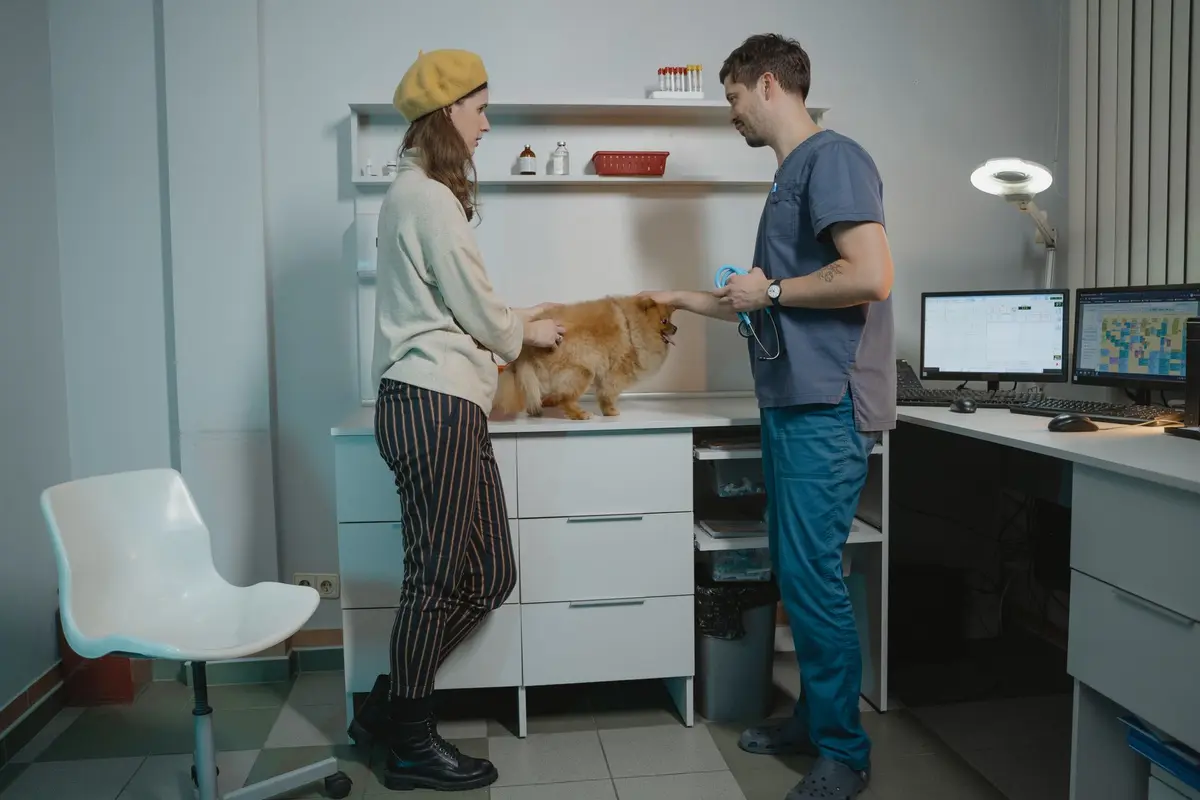
AI automation for veterinary clinic admin is best used for repeatable coordination, not veterinary care. An AI worker can log appointment requests in the practice management system, collect pre-visit forms, send approved reminders, organise incoming records and direct client questions to the right staff queue. That reduces routine copying, chasing and sorting for reception and client service teams. People still decide how urgent a case is, give medical advice, handle distressing conversations, approve record-sharing and resolve exceptions. The practical goal is not an unattended clinic: it is fewer manual admin steps, with staff able to focus on clients and patients who need them.
In short
- Automate appointment requests, forms, reminders, document sorting and administrative routing before considering clinical tasks.
- Keep urgent triage, medical advice, clinical decisions and sensitive conversations with qualified staff.
- Use the practice management system as the source of truth and route uncertain record matches to a person.
- Introduce one workflow at a time, review its exceptions and expand only after the team trusts the results.
Which veterinary clinic admin work can AI take over?
A veterinary clinic runs on a chain of small administrative handoffs. A pet owner requests an appointment, someone identifies the client and patient, the right appointment type is chosen, forms and prior records are gathered, the visit is prepared, and follow-up messages are sent afterwards. When those steps sit in separate inboxes, phones, spreadsheets and the practice management system, reception staff repeatedly move the same information from one place to another.
An AI worker can take on the predictable parts of that chain. It can capture a request, check that required details are present, file supplied documents against the appropriate client or patient record, send clinic-approved reminders and route questions by subject. Systems such as ezyVet document scheduling, records, reminders and client communications as connected practice workflows; what can be automated in a particular clinic depends on its system, configuration and available integrations.
For the office team, the change is from doing every routine step to supervising a queue of completed tasks and exceptions. A receptionist or client service representative still welcomes people, handles calls that need a human, and checks that appointment details make sense. The practice manager sets rules and monitors unresolved work. Veterinarians and veterinary nurses retain clinical decisions.
This is most useful when the clinic has steady volumes of similar requests and clear appointment categories, form requirements and escalation rules. If appointment types are poorly defined, records are inconsistently named or messages require judgement, automate only after those rules are agreed. A confusing process becomes a confusing automated process.
The whole veterinary clinic workflow, end to end
1. New-client enquiries and appointment requests
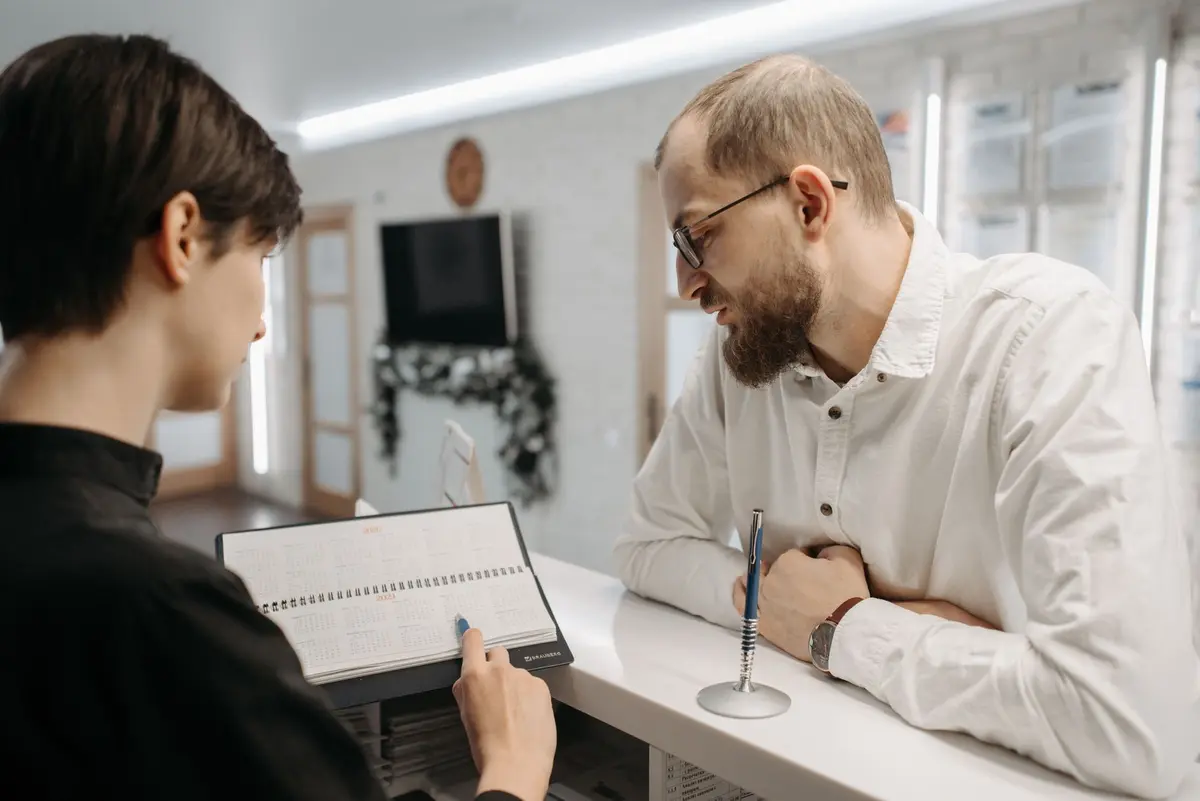
Staff today: A receptionist or client service representative answers calls, emails or web enquiries, asks which animal needs care, checks whether the person is already a client and writes down the reason for the visit. During busy periods, requests may wait in voicemail or be copied later into the practice management system.
AI worker: It can gather the owner’s contact details, animal name and species, preferred times and a short description of the request. It can create a clearly labelled appointment request or draft booking, check for missing details and send a confirmation that the clinic has received it. If the system supports approved booking rules, it can offer an available slot for the correct appointment type. A person handles unclear requests and any sign that the animal may need urgent attention.
2. New-client registration and pre-visit forms
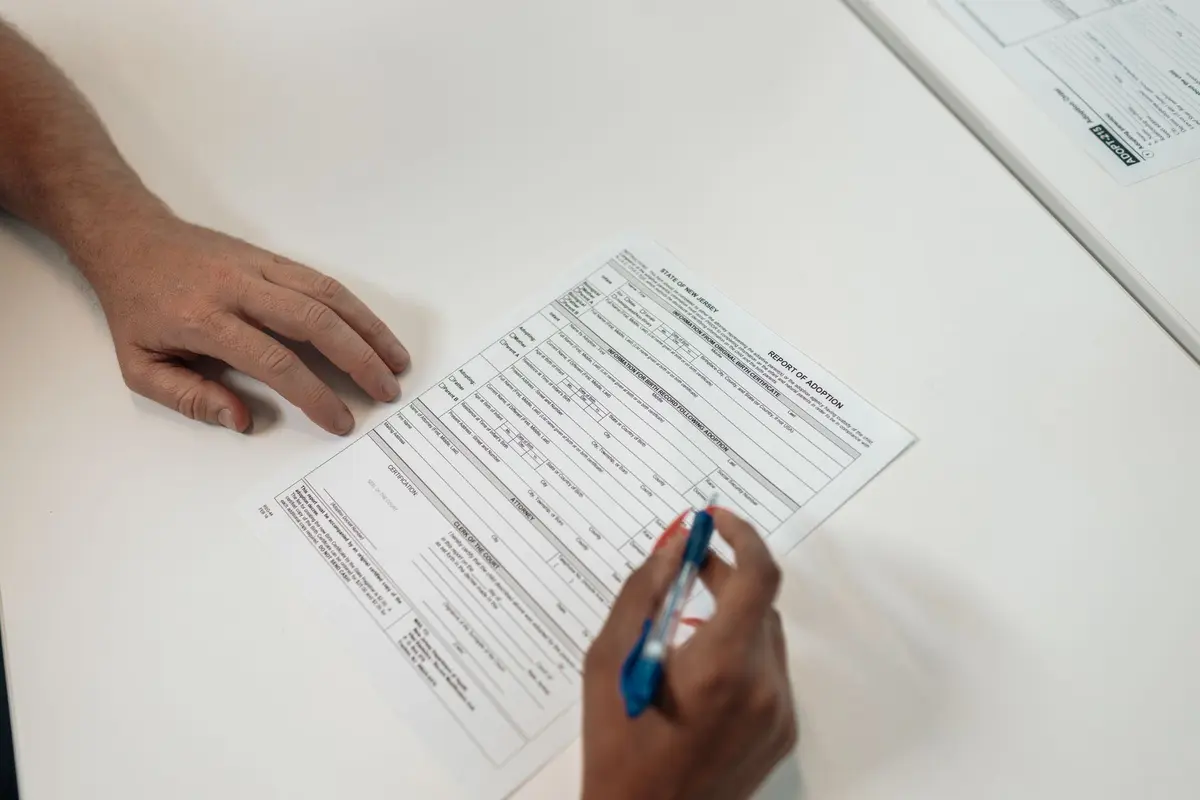
Staff today: Staff create or update the client and patient records, send registration and consent forms, then check for incomplete submissions before the visit.
AI worker: It can send the clinic’s current forms after a booking, remind the owner if required fields remain blank and place submitted information into the appropriate intake queue. It should flag inconsistencies, such as different spellings of a client name or two possible patient matches, instead of silently creating duplicates. A staff member confirms identity, consent and any information needing clarification.
3. Previous records and referral information
Staff today: Reception or clinical support staff ask an owner or referring practice for previous records, download incoming documents and attach them to the patient chart. Someone may need to identify which pages are laboratory results, imaging reports or discharge notes.
AI worker: It can monitor a designated records inbox, sort incoming files by sender or document type, match likely client and patient details, and prepare the documents for review or attach them under agreed rules. It can flag unmatched files and missing expected records. A person confirms uncertain matches and decides whether a record may be shared or disclosed.
4. Appointment confirmation and preparation
Staff today: Staff check the daily schedule, contact clients about upcoming visits and send the correct preparation instructions for appointments such as consultations or procedures.
AI worker: It can send approved confirmation and reminder messages based on appointment type and timing, record replies, and create a task for a staff member when the client asks to change the booking or has a question. Preparation instructions must come from the clinic’s approved templates, not improvised medical guidance. Staff review exceptions and keep the calendar accurate.
5. Arrival, check-in and front-desk questions
Staff today: The front desk confirms arrival, checks contact details, alerts the clinical team and responds to practical questions about appointment logistics, forms or opening times.
AI worker: It can mark forms as received, surface the appointment and patient details for the team, and answer a narrow set of clinic-approved administrative questions through the clinic’s chosen channel. It can route questions about symptoms, medication, test results, treatment or an animal’s condition to a veterinary professional rather than attempting to answer them.
6. During the visit and client updates
Staff today: Veterinary nurses, veterinary technicians, assistants and veterinarians coordinate patient care. Client service staff may relay approved updates or direct calls to the clinical team.
AI worker: For administration, it can create a callback task, record who needs to respond and keep the client’s original question attached to the task. It should not interpret symptoms, recommend treatment or make clinical decisions. The veterinary team determines what to communicate and when.
7. Discharge, payment administration and follow-up
Staff today: The clinical team explains care and discharge instructions; front-office staff handle checkout, payment records, rebooking and follow-up reminders.
AI worker: It can send approved discharge documents already selected by the clinical team, create a follow-up task and schedule routine reminders from the patient record. It can also route payment or invoice questions to the appropriate office queue. Staff confirm that the right instructions and recipient are associated with the correct patient.
8. Recall, records maintenance and daily administration
Staff today: Reception and practice administration teams work through preventive-care recall lists, update contact details, file documents and prepare routine reports.
AI worker: It can identify records meeting clinic-defined recall criteria, send approved reminders, note replies and prepare lists of clients needing follow-up. It can also organise incoming documents and deliver scheduled operational reports. The practice manager checks exceptions, data quality and whether the clinic’s protocols remain appropriate.
Staff today vs with AI workers
Job titles differ between countries and clinics. The table uses common veterinary practice titles; one person may cover several of these functions. AI takes over defined administrative tasks, not the whole role.
| Role | What the person does today | What the AI worker takes over | What stays with a person |
|---|---|---|---|
| Receptionist or client service representative | Answers routine enquiries, books visits, updates client details, checks forms and sends reminders. | Logs requests, checks required fields, sends approved messages and creates exception tasks. | Welcoming clients, resolving unusual requests, handling complaints and recognising when a conversation needs care. |
| Veterinary receptionist or client care coordinator | Coordinates the front desk, appointment communications and handoffs to clinical staff. | Routes questions, tracks replies and prepares the daily list of incomplete forms or unconfirmed details. | Prioritising the live desk, coordinating urgent interruptions and confirming sensitive messages. |
| Practice manager or hospital manager | Oversees staffing, clinic procedures, service quality, administration and system use. | Produces routine task summaries, highlights overdue queues and applies approved workflow rules. | Setting policy, reviewing risk, managing people and deciding when a process needs changing. |
| Veterinary assistant | Supports patient handling and care, and may help with records or client communication. | Sorts administrative requests and prepares documents or tasks for review. | Patient support, in-person observation and duties assigned under local rules and clinic protocols. |
| Veterinary nurse or veterinary technician | Provides clinical support, communicates with clients and contributes to patient records. | Prepares an administrative callback queue and files non-clinical correspondence for review. | Clinical work, patient assessment, explanations and decisions within professional scope. |
| Veterinarian | Examines and treats animals, makes clinical decisions and communicates care plans. | Handles scheduling and document coordination around visits, when connected to approved workflows. | Diagnosis, treatment, prescribing, clinical judgement, consent discussions and professional accountability. |
Highest-value automations ranked by effort and impact
Start with tasks that happen often, follow stable rules and have a clear owner when they go wrong. “Impact” here means the amount of routine handling removed or the number of handoffs simplified, not a promised financial result. Effort depends on the clinic’s systems, data quality and integrations.
| Rank | Automation | Effort | Operational impact | Why it ranks here |
|---|---|---|---|---|
| 1 | Log appointment requests and create booking tasks | Low to medium | High | Captures enquiries consistently and gives staff a visible queue to work. |
| 2 | Send appointment confirmations and routine reminders | Low | High | Uses known appointment data and approved message templates. |
| 3 | Collect pre-visit forms and flag missing fields | Low to medium | High | Moves form chasing earlier, before the client arrives. |
| 4 | Organise incoming records and referral documents | Medium | High | Reduces manual sorting while preserving staff review for uncertain matches. |
| 5 | Route client questions to the right queue | Medium | High | Separates booking, billing and records queries from clinical questions. |
| 6 | Manage routine recall reminders | Medium | Medium to high | Applies clinic-defined recall rules and records responses for follow-up. |
| 7 | Prepare daily exception and incomplete-task lists | Low to medium | Medium | Gives the receptionist or manager a short, actionable review queue. |
| 8 | Send approved post-visit administrative follow-ups | Medium | Medium | Creates consistent tasks and messages without generating clinical advice. |
Compliance and regulatory points for a global clinic
There is no single global veterinary privacy or records rule. The clinic must identify the laws and professional requirements that apply where it operates, where clients are located and where its service providers process information. The EU General Data Protection Regulation (GDPR), for example, applies to personal data processing within its scope and sets obligations for controllers and processors. It is a human personal-data law; animal medical information can still identify an owner when linked to their details.
Before connecting an AI worker to clinic systems, map what information it can access, what it stores, where it is processed, who can review it and how it is deleted or retained. Check the service-provider contract, access controls, audit trail and whether information is used to train models. The Royal College of Veterinary Surgeons’ 2026 guidance specifically reminds UK veterinary professionals to consider client confidentiality and personal data when using AI tools. This guidance applies in the UK, not automatically worldwide.
Clinical records and client records are not interchangeable with message summaries. Keep the official patient chart accurate, attributable and accessible to authorised staff. The RCVS’s guidance on clinical and client records covers what should be recorded, record retention and sharing; local professional rules may differ. In the United States, veterinary record confidentiality and disclosure requirements can vary by state. Verify the local rule before automating record release, transfer or deletion.
Use a clinic-approved source for every external message. A reminder can confirm a time or request a form, but should not interpret a symptom, recommend a medicine or reassure a client about a potentially urgent condition. Define an urgent-language escalation route with the veterinary team, and test it using realistic examples before go-live. The AI worker should identify a message for prompt review, not decide that an animal is safe to wait.
How to transition without disrupting clinic work
Keep the current team and workflow in place at first. Choose one contained process, such as logging web appointment requests or checking whether pre-visit forms are complete. Write down what starts the task, what information is required, what counts as a successful result and which cases must go to a person.
Connect the worker to the practice management system and communication channels only with the permissions needed for that task. Begin in a review mode: the worker prepares bookings, messages or filing suggestions, while staff approve them. Compare the output with the clinic’s normal process and correct duplicate records, wrong patient matches, incomplete forms and misrouted questions.
Once the team trusts a narrow workflow, allow it to run automatically for routine cases. Keep exceptions visible in a queue with an owner and a response target set by the clinic. Examples include a missing patient match, a request that does not fit an appointment type, a client asking for medical advice, or a message suggesting an emergency.
Review the process with reception, clinical staff and the practice manager. Record which steps disappear, which remain as checks and which require a person every time. As routine handling falls, roles can shift towards exception review, client support and clinic coordination; the transition should be based on actual workload, not an assumed headcount reduction.
Common mistakes when automating veterinary admin
- Starting with clinical conversations. Begin with administrative capture and routing. Do not let an automated responder diagnose, triage or recommend treatment.
- Automating an unclear booking process. Agree appointment categories, required details and escalation rules first. Otherwise requests will be placed in the wrong slot or sent back to staff.
- Letting the system guess patient identity. Similar client names, multiple pets and transferred records require careful matching. Send uncertain matches to a person.
- Sending every message without review. Start with approved templates and a review period. Check recipient, patient, appointment type and message content.
- Ignoring the staff queue. An automated task is not complete if its exception disappears into another inbox. Assign ownership and make unresolved tasks easy to find.
- Connecting tools without checking data handling. Confirm permissions, vendor processing terms, retention, security and model-training use before client or animal information is shared.
- Measuring only messages sent. Also check whether requests were booked correctly, forms arrived, documents matched the right chart and exceptions reached a person.
Automation is not worthwhile for every clinic or every task. If a process is rare, highly variable or dependent on a compassionate conversation, the setup and oversight may outweigh the admin saved. The sound starting point is one repetitive task with clear rules, a reliable system connection and an obvious human fallback.
Sources
How AiStaffo would automate this
AiStaffo designs and runs AI-driven automation for veterinary clinic admin, connecting the clinic’s practice management system with approved enquiry channels, form collection and document inboxes. An AI worker can log appointment requests, send routine reminders, organise incoming records and route client questions into staff queues for review. Your team continues to handle clinical judgement, urgent cases, consent and exceptions, while the owner decides which workflows to automate and approves the operating rules. Book a free automation audit
Questions people ask
What can AI automate in a veterinary clinic?
Can an AI worker book veterinary appointments?
Can AI answer questions about a pet’s symptoms?
How can a veterinary clinic protect client and patient records when using AI?
Will veterinary admin automation replace receptionists?
Which veterinary admin workflow should a clinic automate first?
Book a free automation audit
Thirty minutes. We look at one process you run every week and tell you exactly what an AI worker would take off your desk, and what it would not.