India Signs San Francisco Declaration to Protect AI Supply Chains
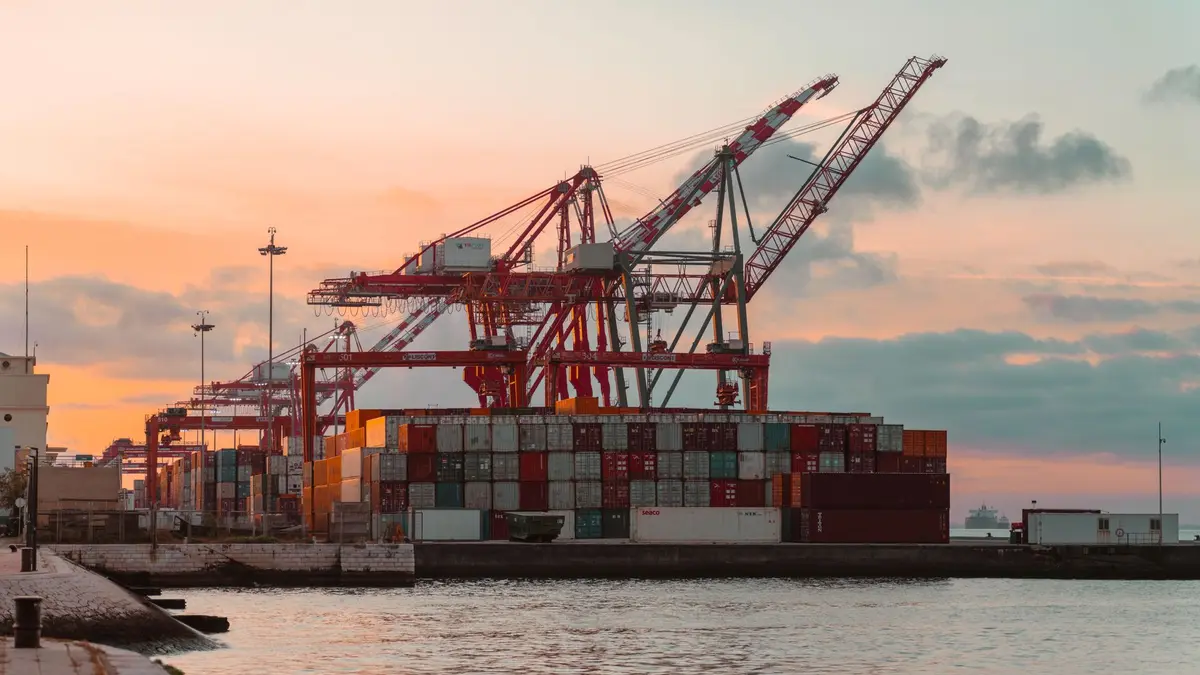
On 15 November 2026, India, the United States and eight other governments signed the San Francisco Declaration, a pact under the US-led Pax Silica initiative. The signatories agreed to protect the technologies and infrastructure behind AI supply chains, and to build a joint list of sensitive technologies and critical infrastructure. That list reaches beyond chips and minerals to ports, transport and logistics networks. The declaration is non-binding and proposes five working groups. For businesses that automate work, the practical effect is indirect for now: records about goods, shipments and suppliers may come under closer government attention, so those records need clean, traceable handling.
In short
- India and nine other governments signed the San Francisco Declaration on 15 November 2026 under the US-led Pax Silica initiative.
- The declaration plans a joint list of sensitive technologies and covers ports, logistics and transport as well as chips and minerals.
- Five working groups are proposed, but the declaration does not itself create penalties or filing duties for companies.
- Businesses should keep supplier origin and shipment records clean and traceable now.
- The legal framework is reportedly still expected before the end of 2026.
What happened
According to the US State Department, as reported by several outlets, the San Francisco Declaration was signed on 15 November 2026 at a Pax Silica Founders Retreat in San Francisco. The meeting was convened by Jacob Helberg, the US Under Secretary of State for Economic Affairs. Reports name India, the United States, Australia, Israel, Japan, South Korea, Qatar, the United Arab Emirates and the United Kingdom among the signatories. Some reports also list Singapore, which the list in the original brief leaves out. The count of ten governments is consistent across the reports that name Singapore.
Pax Silica is a US-led initiative launched in December 2025 to strengthen supply chains for semiconductors, critical minerals, energy, advanced manufacturing and AI infrastructure. Wikipedia's entry on the initiative describes the original Pax Silica Declaration, signed in December 2025, as non-binding. The new declaration builds on that earlier text.
What the declaration covers
The text sets out a common understanding of what it calls sensitive technologies and critical infrastructure. According to the reports, sensitive technologies include goods, software, materials, knowledge and components whose theft or misuse could give a hostile actor a military, intelligence or economic advantage. Critical infrastructure covers ports, terminals, transport, communications, logistics networks, energy systems and the digital platforms that coordinate them.
The declaration plans a joint inventory of these technologies and supply chains. Reports describe it as a joint list, which signatories would use as one reference point for deciding what needs protection. The reports tie the list to China. Helberg has said the aim is to help identify the technologies needed for what the US administration calls super intelligence, a term the text itself uses with a footnote, since some participants read it as artificial intelligence.
Five working groups are proposed. They cover policy frameworks, AI adoption in key sectors, supply chain cooperation across the AI stack, safe harbours and supply chain security hubs, and security and resilience. Some reports add that the working groups will look at investment hubs that could draw capital into partner countries.
Why it matters for businesses that automate work
The declaration does not, on its own, create new duties for a private company. Reports say national governments would still act through their own laws. What changes is the direction of travel. Once a government has a list of protected goods and a map of the routes they travel, shipment papers, supplier records and component data become more sensitive to review.
Logistics is the part most relevant to operations teams. The declaration names ports and transport networks as critical infrastructure, not only factories and chip plants. That means a business that moves electronics, machinery or critical minerals may see more questions about where goods came from and where they go.
What changes in practice
Most firms will not need to change anything this week. The practical steps are about record quality, which is where routine automation helps.
- Check which products in your catalogue contain chips, semiconductors, rare earths or other minerals that reports now name.
- Keep supplier origin, shipment routing and bill of materials data in one place, with dates and sources.
- Store the documents that show who handled a shipment and when, and keep the audit trail intact.
- Set access rules for AI tools and staff who can read supplier and shipping data.
For a five-person importer, this may mean a monthly check of supplier origin records. For a group with thousands of staff, it may mean a shared record across procurement, logistics and finance. In both cases, a person still decides what a record means and whether a shipment is in scope.
Limits
The declaration is a statement of shared principles and a plan for working groups. The reports do not set out penalties, filing deadlines or new licence requirements for companies. Automation can collect and match records quickly, but it cannot decide whether a product is a sensitive technology. That decision needs trade and legal advice, and it depends on the rules each government adopts later.
What to watch next
According to a trade department official cited by MLQ, the legal framework is still expected to be signed before the end of 2026. That document will show whether the declaration turns into binding obligations. Watch for three things: the first version of the joint list, the terms of reference for the five working groups, and any national rules that follow. The US State Department's Pax Silica page is the place where these will first appear.
How AiStaffo would automate this
AiStaffo would start by connecting the records a business already keeps: supplier master data, purchase orders, bills of materials and shipping documents. The AI worker would check each supplier and product against the categories the declaration names, such as chips, minerals and logistics routes, and flag the items that need a human review. It would also log who viewed or changed each record and when, so the audit trail stays complete. The owner or compliance lead still decides whether a product is in scope and what to file or disclose. Results depend on the business's own data, which the free audit measures. Book a free automation audit.
Questions people ask
Is the San Francisco Declaration a binding treaty?
Which countries signed the San Francisco Declaration?
Does the declaration cover shipping and logistics?
Does this change my business obligations today?
What should an operations team do now?
Book a free automation audit
Thirty minutes. We look at one process you run every week and tell you exactly what an AI worker would take off your desk, and what it would not.