AI Data Entry Operator: What Automation Takes Over and What Stays

A data entry operator mostly copies information from invoices, forms, PDFs and emails into a system of record, then checks the typed figures against the source. An AI worker can do that copy-and-check work on its own. It reads the document, fills the fields in your accounting system, ERP, CRM or spreadsheet, recalculates the totals and flags anything that does not match. What it should not do alone is release payments, change bank details, settle disputes or make decisions that affect a customer or employee. Those stay with a person. The usual route is a staged switch over several weeks, with the operator reviewing exceptions first and then only the flagged items. The role shrinks, but someone still owns the exceptions and the sign-off.
In short
- A data entry operator's day is mostly copying, checking, chasing and re-keying, not just typing.
- AI document capture can read invoices and forms, check totals and flag mismatches, then post clean items.
- Bank detail changes, payment release, disputes and any decision that refuses a person need a human with real authority.
- Run the AI in shadow mode for two to three weeks before it writes to any live system.
- Do not automate low-volume, handwritten or poorly maintained records without fixing them first.
What a data entry operator actually does all day
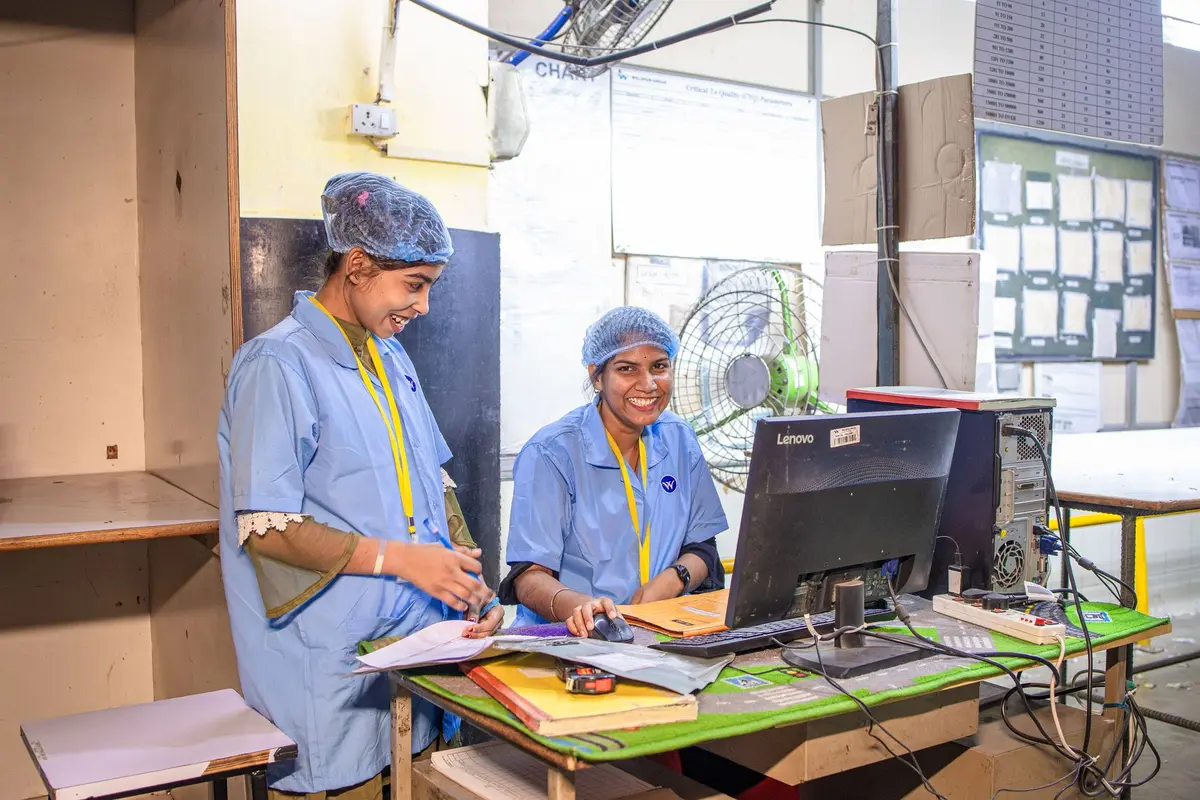
Job titles vary from one company to the next, but the work usually looks the same. The US Bureau of Labor Statistics describes data entry keyers as people who run a keyboard or similar device to enter information, and it notes that the job often includes verifying the data and preparing materials. In a real office, the staff describe the work in plainer words: keying in the invoices, posting the orders, matching the batch, chasing the forms. These are the recurring tasks you will usually find when you watch the role closely:
- Keying supplier invoices into the payables module of the accounting system or ERP.
- Copying order details from customer emails and WhatsApp messages into the order system.
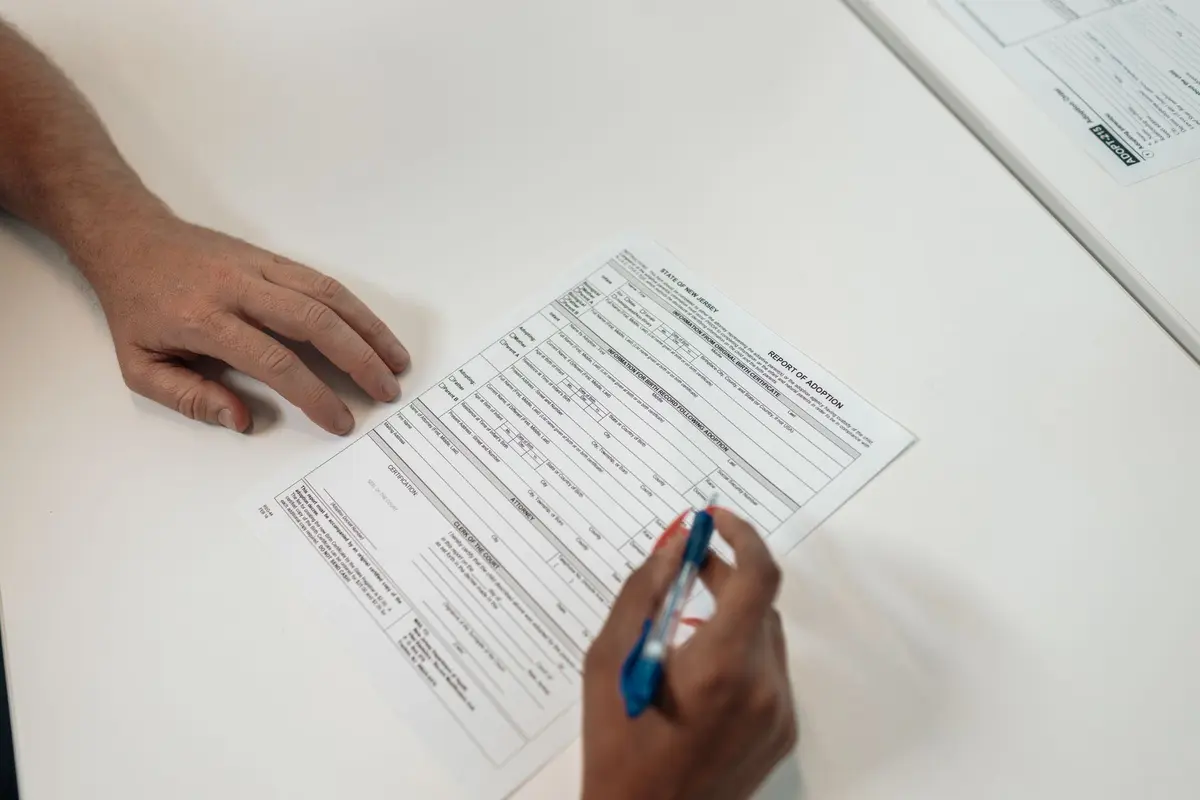
- Transferring paper or scanned intake forms into a CRM or case management tool.
- Checking typed totals against the source document and correcting typos.
- Updating customer and supplier records when an address, tax number or bank detail changes.
- Matching a batch of entries against a bank statement or a control total in a spreadsheet.
- Chasing missing fields by email or phone, then re-keying the answer when it arrives.
- Filing scanned documents under the right reference and producing the daily count report.
Keystrokes are often the quickest part of the job. The checking, the chasing and the re-keying of corrections fill the rest of the shift, and that is where delays and errors build up. If you judge the role only by how fast someone types, you will misjudge how much of their day is spent on rework.
Which of those tasks an AI worker takes over, and what it needs
In this context, an AI worker is a set of software steps rather than a robot at a desk. One part reads the document and pulls out named fields. A second part applies your rules, such as checking that a vendor exists in the vendor list before anything is posted. A third part writes the result into the systems you already use. Microsoft's Azure Document Intelligence invoice model extracts key fields and line items from sales invoices, utility bills and purchase orders, and it works with invoices in 27 languages. Google Document AI, Amazon Textract, Rossum and Docsumo are other tools in the same category, and each handles invoices, forms or tables with different strengths, so test the one that matches your documents.
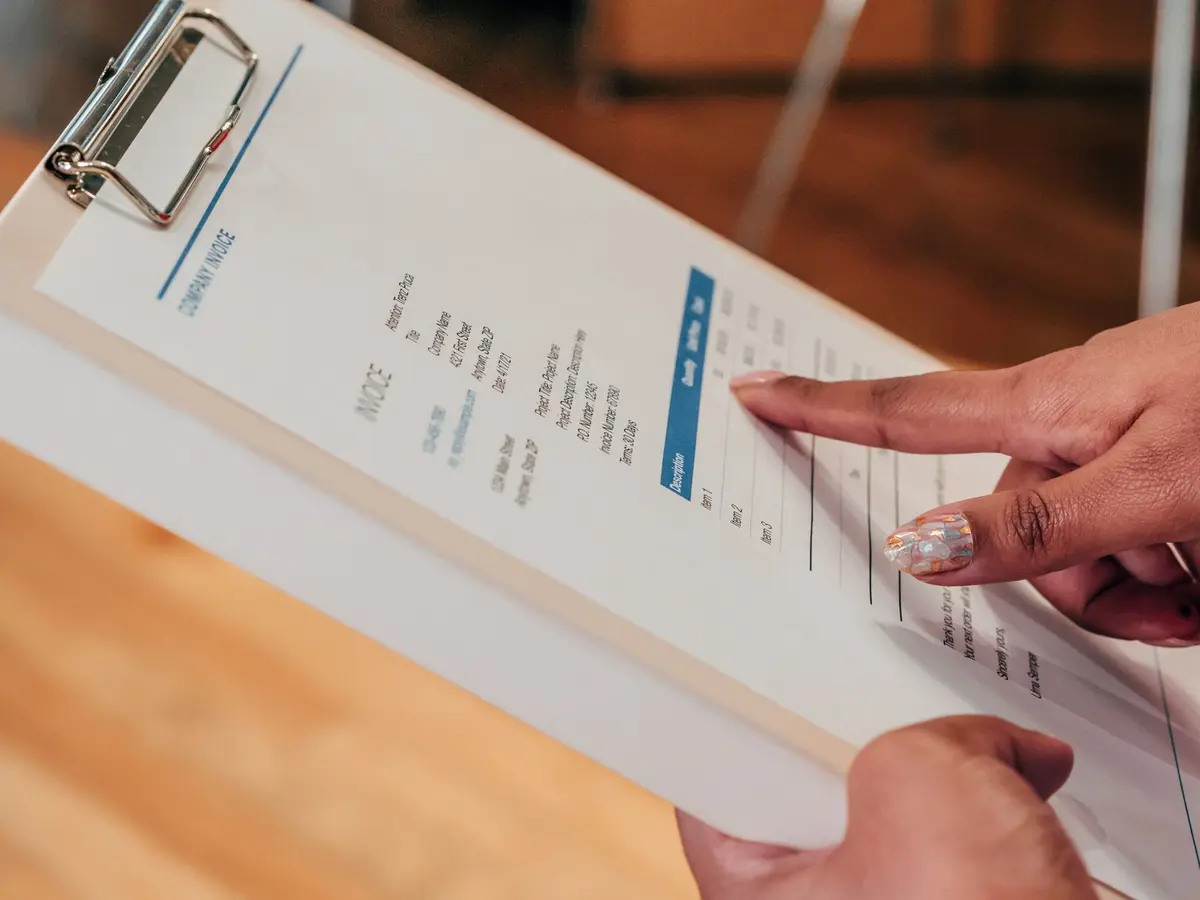
Invoices come first in most businesses. The capture tool reads the supplier name, invoice number, dates, tax lines and totals. The rule layer then checks the arithmetic and the vendor record. To do this, the AI needs read access to the mailbox or shared folder where invoices arrive and write access to draft payables in the ledger. Common targets are Microsoft Dynamics 365, SAP, Oracle NetSuite and, in India, Tally. Connecting to Tally needs a checked import route before you promise anything, because the route depends on your version and setup.
Emails and WhatsApp orders are the second big group. A watcher reads a shared inbox, or a WhatsApp Business number through an approved business messaging API, and sorts each message into an order, a question or a complaint. Only clear orders go into the order system with item, quantity and delivery address filled in. Questions and complaints go to a person. The AI needs the inbox or number, the order system's import file or API, and a short list of what counts as a complete order.
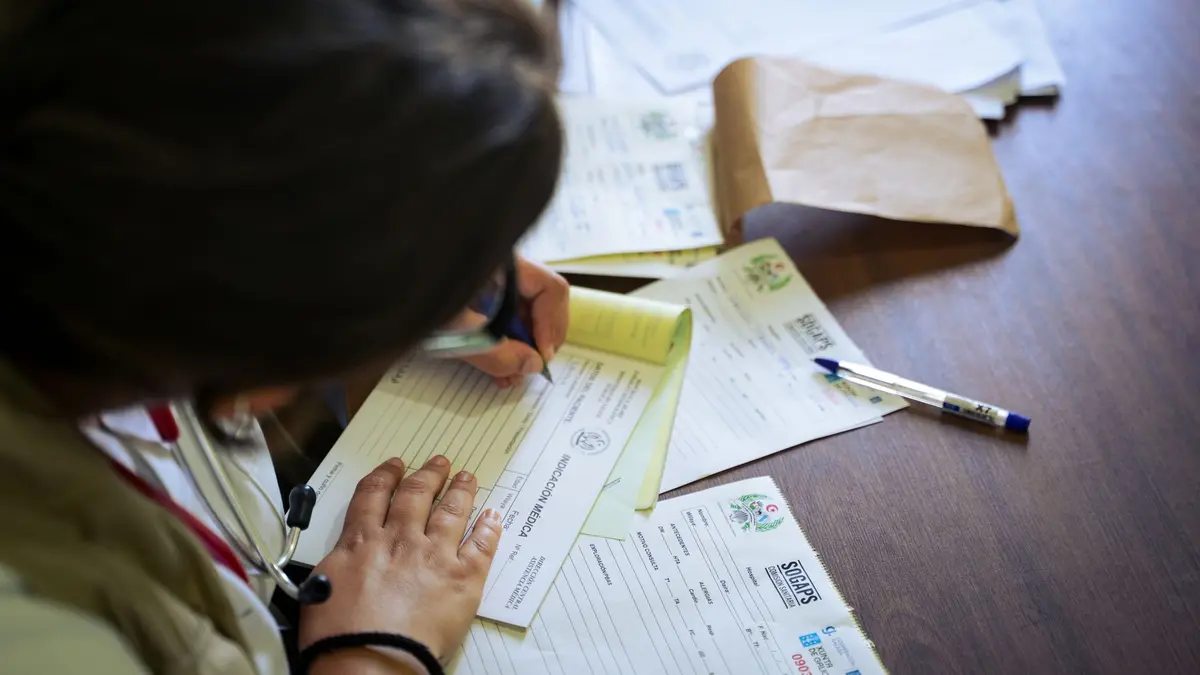
Form intake works well when the forms are structured. Scanned or PDF forms go into a CRM such as Salesforce or HubSpot, with each field mapped to a named box in the record. The operator agrees the field map at the start. The AI does not decide what a field means; it only copies what the form says and tells you when a required box is empty.
Total checks are where the AI earns its place for many finance teams. It recalculates line items, compares the document total with the figure in the ERP, and sends any difference to an exceptions queue with both values side by side. You set the tolerance. A rounding difference of a few cents or paise can pass automatically, while anything larger waits for a person.
Batch reconciliation means matching entries against a bank statement export or a control total in Excel or Google Sheets, then listing the lines that do not match. Chasing missing fields is a templated request sent by email or WhatsApp, naming the missing item, and the answer is re-keyed when it arrives. You approve the wording of those templates once. Filing and daily reporting are the simplest part: the scan is stored under its reference number and the count report is built from the day's posted items.
Across all of this, the AI needs four things: the access rights, a sample of past documents including the messy ones, the list of fields and rules the operator uses today, and a named owner who will work the exceptions queue. Give it the narrowest permissions that still work. An AI that can read one mailbox and write to one draft folder is easier to control than one with access to everything.
What stays with a person, and why
Judgement is the first thing that stays. An invoice can have a correct total but line items that look wrong for that supplier. A second order can look like a duplicate and still be legitimate. A customer's address can change for a reason that calls for discretion. Software can point these out, but a person decides what they mean.
Money movement and master data come next. Releasing a payment, approving a new vendor and changing a bank account number should stay with an authorised person. A changed bank detail is a classic route for payment fraud, so the AI should propose such changes and never make them on its own.
Regulated and personal decisions need extra care. In the European Union and the United Kingdom, Article 22 of the General Data Protection Regulation restricts decisions based solely on automated processing when they have legal or similarly significant effects on a person. The Court of Justice of the European Union's SCHUFA ruling of December 2023 (Case C-634/21) showed that a formal human sign-off does not help if the person cannot realistically change the result. In practice, any step that refuses an application, a claim or a credit needs a reviewer with real authority to overturn it. Keep that step human.
Relationships also stay with people. A supplier disputing a charge, a client who is upset about a missing order, or an employee querying a payslip all need a conversation, and a template will not settle them.
The technology has limits too. Smudged scans, handwriting, merged table cells and forms full of dates cause misreads. A 2012 study of patient-reported outcome forms found automated reading was a valid alternative to double keying only for highly structured forms with check boxes and numerical codes, and not for forms with dates. A 2022 arXiv paper on spreadsheet practice cited Panko's earlier work, which put error rates around 0.5 percent for simple repetitive entry and about 5 percent for logically complex work. The complex items are where the human check matters most.
How this role differs by business type
The same clerk does different work in different sectors. The table below shows six common cases, from a wholesaler's payables to a recruitment agency's candidate records, and what an AI worker would take on in each.
| Business type | What the data entry operator does there that is specific | What the AI worker handles there |
|---|---|---|
| Wholesale distributor | Keys supplier invoices and credit notes, and matches delivery receipts to purchase orders in the ERP | Reads invoices and credit notes, checks totals against the purchase order, and flags short deliveries for a person |
| Private clinic or dental practice | Enters patient intake forms, insurance details and appointment changes into the practice software | Reads intake forms, lists missing insurance fields, and sends reminder messages; clinical notes stay with staff |
| Freight forwarder or customs broker | Keys shipping instructions, bills of lading and invoices into the logistics platform | Extracts shipment fields, compares weights and container numbers across documents, and flags mismatches before filing |
| Online seller | Copies orders from marketplace exports and chat messages into the stock and order system | Captures orders from exports and messages, updates stock counts, and routes complaints to a person |
| Recruitment agency | Enters CVs and candidate details into the applicant tracking system and removes duplicate records | Extracts contact and skill fields and finds duplicates; screening and shortlisting decisions stay with recruiters |
| Bookkeeping firm serving several clients | Keys bank lines and receipts into each client ledger and prepares month-end reconciliations | Reads receipts, codes routine entries, and matches bank lines; the accountant signs off and handles tax questions |
In India, a bookkeeping or distribution business will also deal with GST invoices, where the tax lines and the invoice number must match exactly. That is a good place for a check rule, but the tax position itself remains a professional decision.
How the switch happens, week by week
The plan below is a typical sequence. The timing moves with document volume and how clean your records are, but the order of steps rarely changes.
In the first week, record what the operator actually does, including the chasing and the re-keying. Pick one document type to start, usually supplier invoices or one intake form. Agree the field list, the tolerance for totals and the list of exceptions that always go to a person.
In weeks two and three, run the AI in shadow mode. It reads the documents and proposes entries, while the operator keys as normal. Compare the two outputs every day and log each disagreement. The AI does not write to any live system during this period.
In weeks four to six, the AI writes into a draft or staging area. The operator reviews every entry the AI is unsure about and every total mismatch, and still checks batch totals by hand. This is the stage where most of the rule tuning happens.
From about week seven, clean items post automatically and the operator works only the exceptions queue and the sign-off steps. Keep the first month of this stage under close watch, with a weekly sample check of posted items.
After that, the role shrinks to review. What remains is approvals, exceptions, reconciliations and contact with suppliers or customers. Some businesses move the person to reconciliation or customer work, while others reduce the hours. That is a business decision, and it should be made with the numbers from the pilot in hand.
Risks, and when not to automate this role
The main risk is speed. A rule that is slightly wrong will post the same error to hundreds of records before anyone notices. Start with a daily sample check, and set the tolerance rules conservatively. Access sprawl is the second risk: an AI that can read everything can expose everything, so keep permissions narrow and log what it touches. Document AI is also priced by usage or licence, and those terms have changed recently with some vendors, so read the current terms before committing.
Documents also contain personal data. Check where the processing happens, who holds the data, and whether your contracts with clients allow this kind of processing. In the European Union and United Kingdom, that means a documented assessment before you start, not after.
There are also cases where automation is not worth doing. Do not automate when the volume is low and irregular, because the setup cost will outweigh the saving. Do not automate when most of the documents are handwritten or follow no pattern. Do not automate when your ERP or CRM holds poor master data, since the AI will copy the errors faster; clean the records first. And do not automate if nobody will own the exceptions queue, because an unreviewed queue quietly becomes the place where mistakes go to wait. If the main goal is to cut headcount without a plan for review, the project is likely to fail.
Sources
How AiStaffo would automate this
For a business that employs one or more data entry operators, we would start by connecting the mailbox or shared folder where invoices and forms arrive, along with the ledger, ERP or CRM where they must end up. Document capture reads the fields, and a rule set checks totals and vendor records before clean items post automatically. Mismatches, and anything that touches a bank detail or a customer decision, go to a named person in a review queue. The owner keeps approvals, supplier and customer contact, and the final say on tolerance rules. Book a free automation audit.
Questions people ask
Can AI fully replace a data entry operator?
How accurate is AI document extraction compared with people?
Which tools read invoices and forms?
Do we need to replace our ERP to automate data entry?
Is it legal to automate these decisions in the EU or UK?
Book a free automation audit
Thirty minutes. We look at one process you run every week and tell you exactly what an AI worker would take off your desk, and what it would not.