Virtual Assistant vs AI Worker: What Admin Work Really Costs in 2026

A freelance virtual assistant found on an online marketplace usually bills less per hour than a managed AI worker looks like on paper, but the hourly rate is only part of the bill. In 2026 the marketplace median sits near $13 to $14.50 an hour, depending on which analysis you read, before the platform's client fee and before the time you spend sourcing, vetting, supervising and replacing that person. A managed AI worker does not have a public tier list, so you compare it on the admin tasks it takes over. For repeatable admin with steady volume, the AI worker often costs less over a year. For judgement calls and relationship work, a person remains the better buy.
In short
- Marketplace virtual assistant rates sat near $13 to $14.50 an hour in 2026, but fees and management time raise the real cost.
- The hourly rate leaves out sourcing, vetting, supervision and replacement, which often cost more than the rate gap.
- A managed AI worker suits repeatable admin with clear rules, while judgement and client-facing work still need a person.
- Get the data processing terms and the exit plan in writing before any personal data moves.
- Migrate in stages, starting with rule-based tasks and keeping a freelancer on the judgement work during overlap.
The verdict in brief
Hire a freelance virtual assistant when the work needs a person who can make judgement calls, speak for you on the phone, or learn your business over months. Choose a managed AI worker when most of the hours go into repeatable admin: data entry, follow-ups, reconciliations, reports, billing and document handling. The hourly comparison alone will mislead you, so the rest of this page works through the costs that sit behind the rate.
What the 2026 rate data says
Two analyses of the same marketplace disagree on the middle number, and the gap matters when you set a budget. Upwork's own 2026 cost-to-hire figures put the virtual assistant median at $13 an hour, with most profiles falling between $10 and $20. A May 2026 analysis by Upfirst of 201 Upwork virtual assistant profiles reports a median of $14.50 and an average of $20.50, with individual rates running from $5 to $89. A vendor summary of the same Upfirst work also reports a median of $11 for assistants based outside the US and $38 for US-based assistants. These numbers do not contradict each other so much as measure different groups. Treat $13 to $14.50 as the marketplace band, and check where each candidate lives before you shortlist.
The hourly rate is the smallest line
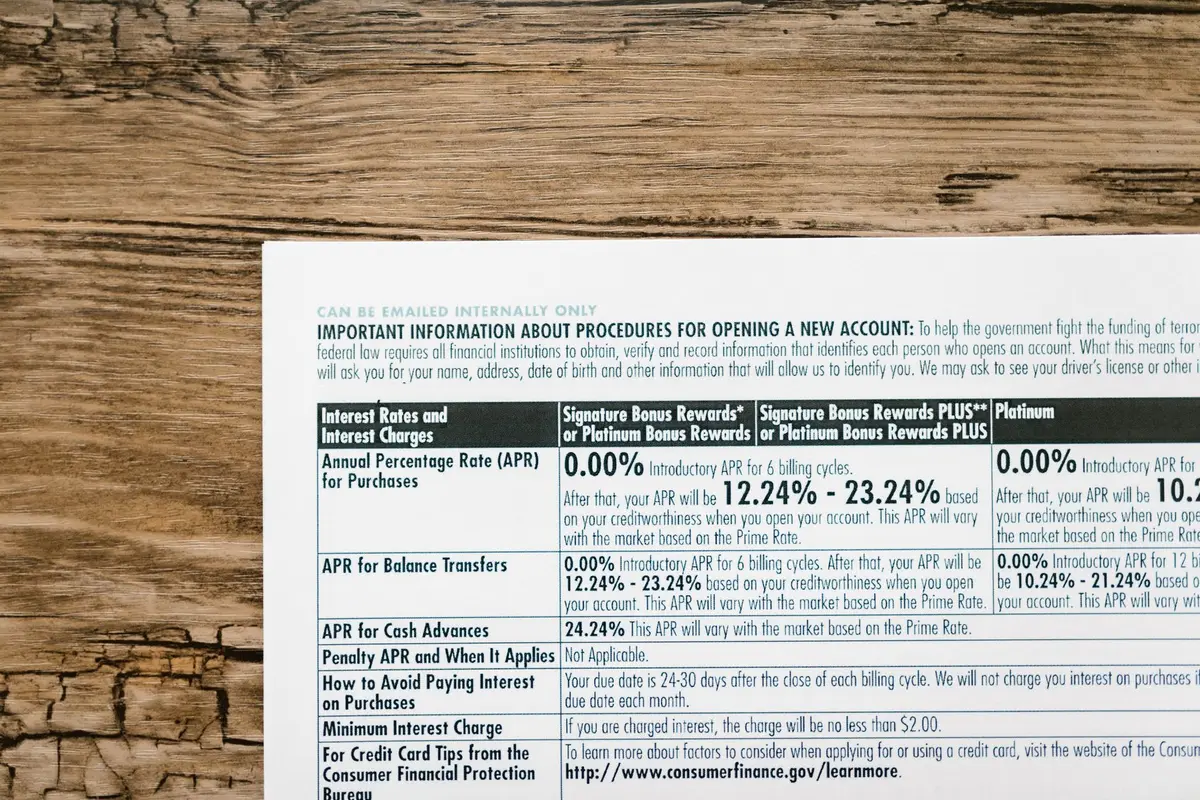
The rate you agree is not the rate you pay. On the Basic plan, Upwork adds a client fee of up to 7.99 percent, according to Upwork's pricing page as quoted in the Upfirst-based analysis. At the $14.50 median and the maximum fee, the effective cost is about $15.66 an hour. Freelancers also lose a share to the platform, because Upwork takes a service fee from them, which many freelancers build into their rate. None of this is hidden, but it moves the number before you count any management time.
The larger cost sits outside the invoice. A marketplace rate does not include the work of finding the person, checking their skills, briefing them, checking their output, paying them through the platform, or finding someone new when they leave. An all-in staffing provider absorbs those tasks into its price. A marketplace does not. That difference explains why two identical hourly figures can produce very different annual totals.
Side by side
| Factor | Freelance virtual assistant via an online marketplace | Managed AI worker run by AiStaffo |
|---|---|---|
| Pricing | Hourly or fixed rate agreed per contract. Marketplace median about $13 to $14.50 an hour in 2026 before fees. | Not public. Quoted after the free automation audit. |
| Integrations | Whatever logins and files you share. The person copies data between systems by hand. | Connects to the business systems in scope from the audit, then runs the workflows inside them. |
| Limits | One person's hours, time zone, leave and skill set. | Only the tasks it is set up to handle. Exceptions go to a named person in your business. |
| Support | You manage the person: briefing, feedback and replacement. | AiStaffo runs and monitors the workflows. You receive reports and exception alerts. |
| Data residency | Set by where the freelancer works and what your contract says. | Not published yet. Ask for the data processing terms and the sub-processor list before you share personal data. |
| Learning curve | Weeks of briefing and correction while the person learns your business. | Front-loaded in the audit. Changes are needed when a process changes. |
Who each option suits
A freelance assistant suits work where a human voice or judgement is the product. Examples include customer calls that need tact, one-off projects, research that changes week to week, and tasks where you want one person who understands the nuances of your clients. A freelancer can also cover tasks no system has been set up for, which is useful during a busy period.
A managed AI worker suits repeatable work with clear rules and steady volume. Invoice data entry, payment reminders, matching bank lines to ledger entries, weekly reports and document filing are common examples. It works at the same pace on a Sunday as on a Tuesday, and it does not need a replacement when a person resigns. It is not a substitute for judgement. Unclear documents, disputed invoices, and any decision with legal or financial weight still need a person to review it.
The limits are real and should shape the contract. In a 2026 survey of 306 US data management, privacy and AI decision-makers, commissioned by Collibra and run by Harris Poll, more than half said their organisations spent significant staff hours reviewing and correcting agent output before it went live. Industry analysts have also said that only a small share of products sold as agentic AI are genuinely that. Ask any vendor, including AiStaffo, to show you how exceptions are routed, who reviews them, and how a failed run is logged.
Total cost of ownership drivers
Sourcing comes first. A 2026 analysis of hiring costs describes a process where a hiring manager screens around a hundred applications, interviews around ten, and starts again if a hire leaves at month three. That time never appears on an invoice, and it lands on your team. A marketplace will not do it for you.
Supervision is the second driver. A freelancer needs a brief, a checklist, a shared inbox, and regular feedback. Someone in your business owns that work. If the person is hired through a marketplace, the vetting, training, payments and performance management fall to you, which is the core trade-off with that model.
Replacement is the third. Marketplace hires have no built-in replacement guarantee, so a resignation means a new search and a new learning curve. Some managed staffing providers offer replacement, but the terms vary and should be read before you sign.
For the AI side, the main costs are setup and upkeep. Workflow automation projects in a 2026 pricing guide commonly run from $1,000 to $10,000 to set up, and small-business automation shops publish maintenance retainers of $300 to $700 a month. Subscription tools are cheaper at the start. One 2026 guide suggests budgeting an extra 30 to 50 percent beyond subscription costs in the first year, which includes setup and maintenance. Treat that as a planning assumption, not a fixed rule.
For a benchmark, the US Bureau of Labor Statistics put the median pay of an administrative assistant at $23.23 an hour in May 2025. A 2026 pricing analysis adds an estimated 30 percent for benefits, which brings the paid cost to about $33.19 an hour. An in-house hire carries those costs and the time to recruit, so both outsourced options should be compared against that figure too.
Vendor lock-in belongs in the calculation. A freelancer can be replaced, but the knowledge lives in their head and your documents. An AI worker can hold your workflow logic and data. Ask how you export your data, how the workflows are documented, and what happens to your records if you end the contract. A 2026 MIT paper by Acemoglu, Kong and Özdaglar describes how a team can lose the expertise needed to supervise its agents when people stop doing the tasks themselves, so keep at least one person who understands each process.
The custom-built alternative and when it wins
A custom build is a third path. Proof-of-concept engagements from AI consultancies commonly run from about $8,000 to $25,000, and full custom builds at firms that publish prices run from $35,000 to $150,000 or more, according to a 2026 buyer guide. Off-the-shelf automation tools cost roughly $20 to $100 per user per month. A custom build wins when your process is unusual, the key system has a documented interface, and you want to own the code outright. It loses when the workflow is common and you need results within weeks. Be wary of any build that depends on one tool or vendor you cannot replace.
Migration notes
Moving from a freelancer to an AI worker is easier if you do the groundwork first. The steps below keep the cost of change under control.
- List every admin task the freelancer did in the last month, with approximate hours.
- Mark each task as rule-based or judgement-based. Only rule-based tasks move first.
- Keep the freelancer on the judgement tasks and run a short overlap of four to six weeks on the rest.
- Withdraw access the freelancer had to logins and files once the handover is signed off, and record who holds each credential.
- If personal data of people in the European Union is involved, get a data processing agreement with the vendor. The GDPR requires one under Article 28 when a provider processes personal data for you. Note that GDPR can reach businesses outside Europe that handle EU residents' data.
- Check where data is processed. The EU-US Data Privacy Framework adequacy decision of July 2023 covers certified US companies, but other transfers need safeguards such as Standard Contractual Clauses. EU hosting does not remove every transfer question.
- Keep an audit log of every automated action for at least the period your own records policy requires.
Data minimisation applies to both options. Staff who paste full customer files into a tool often share far more personal data than the task needs. Limit what each workflow can see.
Sources
How AiStaffo would automate this
For a business that pays a freelancer to copy invoice data, chase unpaid bills and compile a weekly report, AiStaffo would first connect the accounting tool, the shared inbox and the reporting spreadsheet that the work touches. Once connected, the follow-up reminders, the matching of bank lines to ledger entries and the report build would run on a schedule without a person starting each one. The owner would still review the exception queue, approve any payment or credit note above a limit set during the audit, and decide on disputed invoices. Nothing in that setup requires the owner to hire, brief or replace a person for these tasks. Book a free automation audit
Questions people ask
Is a virtual assistant or an AI worker cheaper?
What admin tasks does a freelancer still do by hand?
Does an AI worker need supervision?
Where should my data be processed?
How long does a switch from a freelancer take?
Book a free automation audit
Thirty minutes. We look at one process you run every week and tell you exactly what an AI worker would take off your desk, and what it would not.