How to Automate COD Remittance Reconciliation for Indian Sellers

To automate COD remittance reconciliation, you pull three lists every week: the orders your system marks as delivered, the courier's remittance report with one line per AWB number, and the bank credits that reached your account. A script or a reconciliation tool matches each delivered order to its AWB line, then compares the amount paid with the amount collected. Anything short, missing, or past the courier's payout window goes onto an exception list with the AWB number, the gap, and the number of days it has been open. Your team works only that list. Courier platforms such as Shiprocket publish reconciliation reports you can export, and bank statements can be imported into accounting software such as Zoho Books. The steps below show how to set this up.
In short
- Match every delivered COD order to its courier payout line by AWB number, not by batch total.
- Ask each courier for an AWB-level remittance breakdown before you sign, since without it nothing can be matched.
- Give every exception a reason code and an escalation date set from your contract.
- A person should approve every dispute message before it goes to the courier.
- Test the automated match against a manual check for one month before relying on it.
Why a short remittance is easy to miss
Cash on delivery settles in batches, and that is where errors hide. The courier collects cash at the door, keeps its own charges, and pays the seller a lump sum on its own schedule. The total often looks roughly right, so most owners accept it. A payout can cover fewer orders than were delivered, and the shortfall stays invisible unless someone compares each order with its payment. Across a few months, those small gaps add up to real money.
Shortfalls come from several places, not only from courier error. A delivered order can drop out of a batch. A weight correction can reduce the amount. An RTO on a related shipment can be netted against a later delivery. Each of these looks like a short payment when you read only the total.
What the problem costs
There are three cost areas, and they stack. The first is deductions. Shipmozo's 2026 guide notes that couriers often deduct forward freight, RTO fees and COD handling charges from the payout without a clear line for each item. Without an AWB-level breakdown, you cannot check whether each deduction is correct. Shipmozo's same guide puts cash lost to unexplained deductions and short remittances at 2 to 4 percent, but that figure comes from a vendor blog, so treat it as a rough signal and measure your own.
The second cost is returns. Estimates differ widely. Flexicommerce's 2026 COD calculator puts the average RTO rate for Indian COD orders at 15 to 25 percent. Clickpost's 2026 guide puts COD return-to-origin rates at 40 to 58 percent, with fashion and apparel at the high end. The gap is large enough that you should calculate your own RTO rate by pincode and category before deciding anything.
The third cost is the price of each failed delivery. Flexicommerce estimates a total loss of ₹100 to ₹150 per RTO order in its 2026 calculator. Toolbaz's 2026 calculator estimates that one RTO on a ₹499 order with ₹65 shipping can cost ₹130 to ₹180. Take those figures as ranges, not quotes from any courier.
A simple illustration: if you ship 1,000 COD orders a month at an average of ₹800, and 2 percent of the value goes unexplained, that is ₹16,000 a month, or about ₹1.9 lakh a year. Your own numbers will be different. The point is that a small leak repeated every month is worth a weekly check.
Cash timing matters too. Shiprocket's support page says COD amounts normally reach the bank after 8 to 9 days from delivery, and its processing standard is D+8. Early COD plans shorten that window for a fee, which means you pay to have your own money sooner. Reconciliation tells you whether the money you are owed has actually arrived.
Manual method versus automated method
| Task | Manual method | Automated method |
|---|---|---|
| Matching orders to payouts | Someone filters a courier sheet and compares it with a sales export, order by order | A tool matches each delivered order to its AWB line on every import |
| Checking deductions | Read the remittance total and guess whether the freight and RTO charges look right | Each deduction is tagged by type: freight, COD fee, RTO, weight correction |
| Bank credits | Scroll the bank statement and look for a matching amount | Credits are matched on the bank reference, usually the UTR |
| Missing orders | Found at month end, if at all | Listed as exceptions the same day the batch is imported |
| Overdue disputes | Tracked in memory or a chat thread | Aged by day, with a due-for-escalation flag |
| Escalation emails | Written from scratch each time | Drafted from the exception row, then approved and sent by a person |
| Accounting entries | Keyed in by hand | Imported as a file or posted by the accounting tool |
How to automate it, step by step
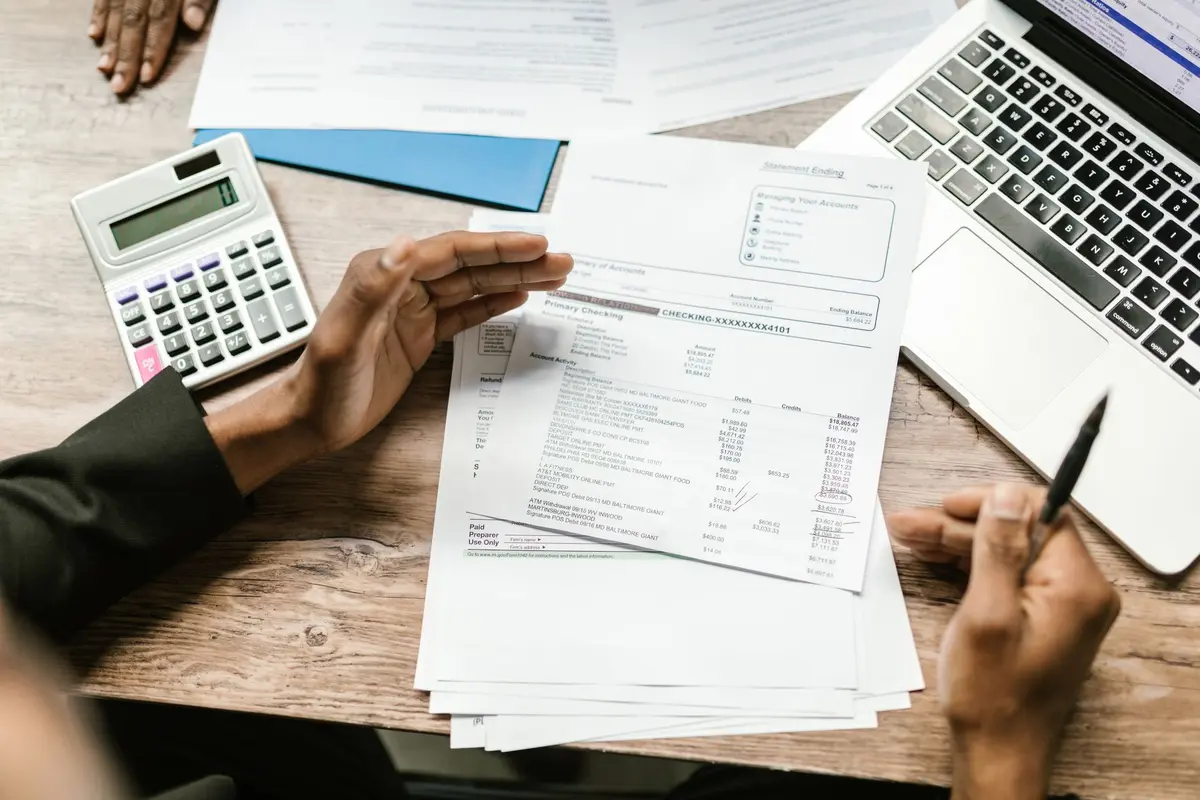
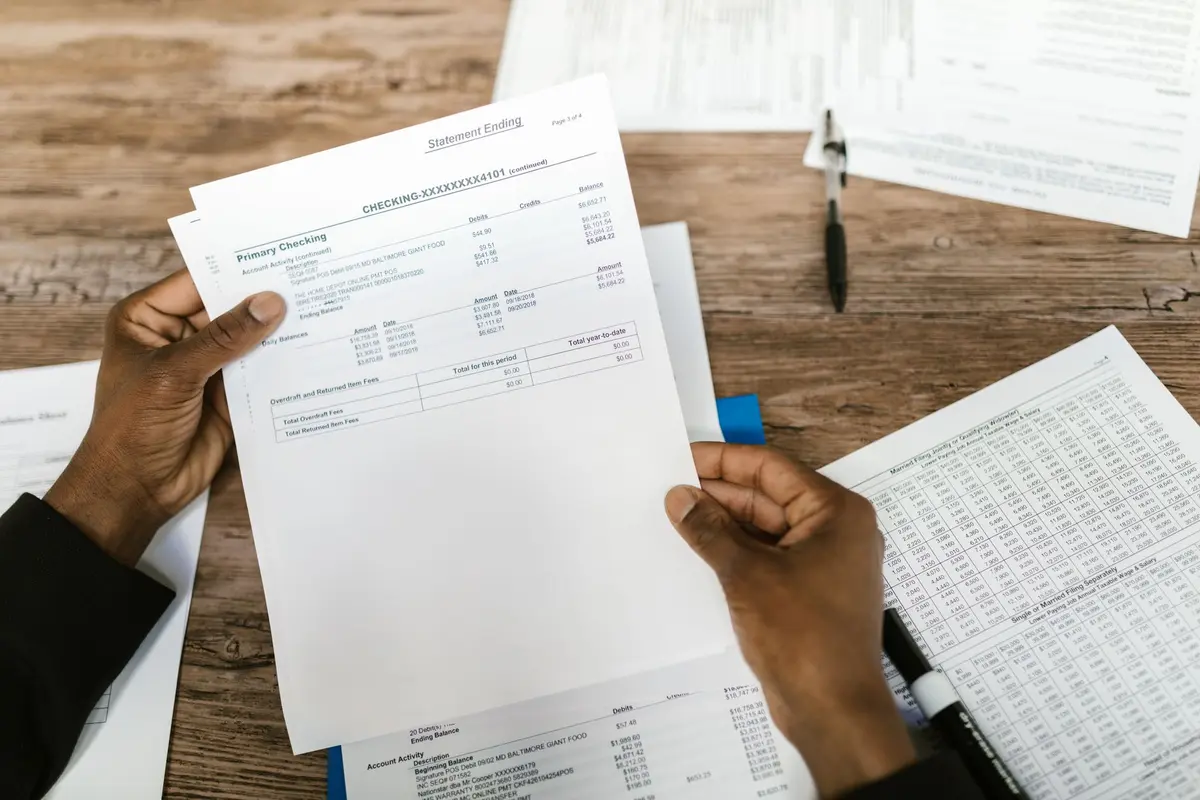
Export three datasets each week. Pull your list of delivered COD orders from your order system or Shopify export. Pull the courier's remittance report with one line per AWB. On Shiprocket, that report sits under COD Reconciliation in the app, where you can apply a date filter. Pull the bank statement for the same period. Other couriers have similar reports under different menu names, so ask your account manager for the AWB-level version before you sign.
Match on AWB number first. AWB is the most reliable key for COD. Terra Insight's 2026 settlement guide recommends matching COD at AWB level and prepaid orders at order-ID level, because each flow has its own timing and deductions. Clean the AWB column first. Remove spaces, fix leading zeros lost in Excel, and make sure both files use the same format.
Match bank credits on the reference. Settlement files from Indian banks and payment gateways carry UTR numbers for NEFT, RTGS and IMPS transfers. ReconPe's 2026 review describes tools that match bank credits this way and surface COD shortfalls and aging in the same view. Use the UTR to link one courier transfer to the batch of AWB lines it covers.
Classify every exception. Each unmatched or short line gets one reason code: missing from batch, short amount, RTO netting, weight correction, or timing. Metaport's 2026 explainer describes the same kinds of gaps. Reason codes let you see which problem costs the most and which courier causes it.
Run the overdue tracker. Store the delivery date, the expected payout date and the escalation date for each exception. The expected date comes from your courier contract. Metaport's guide notes that disputes are often subject to a claim window of about 15 to 30 days, so the escalation date should be set from the contract, not from memory. A spreadsheet works for this stage, and so does a shared database view.
Draft the dispute, then let a person send it. A large language model can read the exception row and draft a short message that quotes the AWB, the expected amount, the amount received and the batch date. A person reviews and sends it from email to the courier's account team. WhatsApp is useful for internal alerts to the finance lead, not for legal notices to couriers.
Post the clean result to your books. For bank data, Zoho Books accepts CSV or XLS statement files with a date, a description, a reference number and either a signed amount or separate withdrawal and deposit columns. The reference number helps avoid duplicates on re-import. Tally users can post the matched batch as sales and receipt vouchers after the same checks. Keep the GST treatment of each sale consistent with the date of the invoice, not the date the cash arrives.
OCR fits in one place. Some couriers send remittance statements as PDF files rather than spreadsheets. An OCR step can convert those tables into rows, but you should check a sample each week, because a misread digit in an AWB number creates a false exception.
Keeping the process from breaking
Most failures come from data, not from the matching logic. Courier report formats change without notice. AWB numbers get truncated when they pass through spreadsheets. Bank PDF statements do not import directly into every accounting tool. Zoho's direct PDF import covers a set of mostly US banks, so Indian bank statements usually need to be exported as CSV first. Some co-operative, rural and small finance banks are not supported for automatic bank feeds at all.
Prevention is mostly routine:
- Lock the export format in writing with each courier and check it after any update.
- Run a control total each week: the number of delivered orders, the number of AWB lines, and the sum of amounts should agree before matching starts.
- Flag any AWB imported twice, and any RTO that also appears as a delivery.
- Keep the delivery proof for every disputed order, since the courier will ask for it.
- Review the reason codes monthly. A rising share of one code usually means a process problem, not a courier problem.
Two other checks protect you. Before you onboard a courier, get written terms on the remittance cycle, the real-time reconciliation reports, the escalation path, any penalty for late payment, and how RTO or partly paid orders appear in the report. Shipdaak's guide to its COD timeline lists these same items. Without them, the matching logic has nothing solid to match against.
When not to automate
Automation is not worth the set-up for every seller. If you ship a few dozen COD orders a month through one courier, a 30-minute weekly check of the payout against your sales sheet will usually catch the problems. Building a pipeline for that volume costs more attention than it saves.
Do not automate matching if the courier gives you only a lump-sum payout with no AWB breakdown. The tool will have nothing to match, and you will end up with a confident-looking report that proves nothing. Ask for the breakdown first, or change couriers.
There is also a limit on what automation can do. It shows you which orders are short and produces the evidence for a claim. It does not force a courier to pay. If a courier refuses, the outcome depends on your contract and your escalation path. A person still has to make that call, and some disputes will be lost.
What it takes in time
The main effort is not in building the matching step. It is in getting clean exports from every courier, agreeing on AWB formats, and deciding the escalation rules with your finance lead. Plan the first month as a test run. Process the same batches manually and automatically, then compare the exception lists. Where they differ, find out why before you trust the tool.
At scale, the saving is in staff hours. Metaport's 2026 guide estimates that automated reconciliation replaces 3 to 5 days a month that finance teams spend on this work when volumes are high. For a smaller business, the saving is less about hours and more about catching money that would otherwise go unnoticed. Once the process runs, the weekly task shrinks to reviewing the exception list, approving dispute messages and checking the control totals.
Sources
- Best Early COD Remittance Solutions in India
- Top COD Remittance Problems for D2C Brands in India (2026)
- What Is COD Remittance? Process and Timeline Guide · ShipRabbit
- Solving the Cash Flow Gap: How to Get Faster COD ... - Webtrixy
- Best reconciliation software for Indian e-commerce sellers in 2026 — ReconPe Blog
How AiStaffo would automate this
AiStaffo would connect your order system, each courier's remittance export and the bank statement feed, then match every delivered COD order to its AWB line on each import. The system would tag each deduction and short amount with a reason code, age every open item against your courier contract, and place anything past its escalation date at the top of a daily list. It would also draft the dispute message for each item from the exception row. Your team would review the list, approve the messages and send them. Book a free automation audit
Questions people ask
What is COD remittance reconciliation?
Can I reconcile COD payouts without special software?
Why is my COD payout lower than the amount collected?
How long should I wait before raising a missing remittance?
Which accounting tools can take in COD reconciliation data?
Is automating COD reconciliation worth it for a small seller?
Book a free automation audit
Thirty minutes. We look at one process you run every week and tell you exactly what an AI worker would take off your desk, and what it would not.