AI automation for home care agencies: what to hand over and what to keep

An AI worker can take over the repetitive coordination in a home care agency. That covers caregiver rota changes after a call-out, visit confirmation messages to clients and families, collection of timesheets and visit notes, checks that each visit was clocked, billing matches, and answers to routine family enquiries. The office team moves from typing and chasing to reviewing the exceptions the system flags. Clinical decisions, safeguarding judgements and the acceptance of new clients stay with the registered manager. Most agencies can start with the two or three tasks that cause the most calls each week, then widen the scope once the data is clean.
In short
- Rota changes, visit confirmations, timesheet and note collection, and routine family status questions are the strongest early candidates.
- Clinical decisions, safeguarding judgements and care plan approval stay with the registered manager in every market.
- Start with low-effort automations that rely on clean schedule and clock-in data, then move to billing and pay.
- Keep the caregiver's own visit note as the record, and treat any AI summary as a draft for a person to check.
- Reduce roles only after the exception queue has stayed short for several weeks, and decide in advance where freed time goes.
Which office work AI can take over in a home care agency
Most of the admin load in a home care agency is repeated coordination. A caregiver calls in sick at 6 a.m., so someone moves four visits. A client's family asks whether the carer came yesterday. A visit note arrives three days late, so the timesheet cannot be paid. A claim is rejected because the clock-in time does not match the schedule. None of these tasks needs deep judgement. They need the right record checked, the right message sent and the right person told when something is wrong.
An AI worker is software that reads incoming messages and records, follows fixed rules, makes the routine change, and sends the confirmation. It can take over much of the work of a scheduler, most of the chasing done by a care coordinator, the matching done by a billing clerk and the hours checking done by a payroll officer. It cannot take over the judgement attached to care. Clinical decisions, safeguarding concerns, the choice of a suitable caregiver for a vulnerable client and the decision to accept or end a package remain with the registered manager.
For the office team, the change is in what the day looks like. People spend less time keying data and calling around, and more time on the exception queue: the missed visit, the family complaint, the caregiver who cannot be reached. Whether that means fewer office roles depends on your volumes and your attrition, and should be worked out from your own figures.
The whole workflow, stage by stage
The chain below follows the order work happens in a home care agency, from the first call to the final pay run. For each stage, the first part describes what people do today and the second describes what an AI worker does instead.
1. Enquiries and referrals
Enquiries arrive by phone, email, web forms, and from hospital discharge teams or local commissioners. Today a coordinator logs each one in a different place, checks whether the area and the times can be covered, and books an assessment visit. Referrals sent by fax or PDF often wait a day before anyone reads them.
An AI worker captures each enquiry from every channel into one record, asks the standard questions about location, care needs and preferred call times, and books the assessment slot in the manager's diary. Urgent referrals, such as a discharge due the same day, are pushed to the registered manager straight away. The assessment itself, the decision to accept and any conversation about risk stay with a person.
2. Assessment paperwork and onboarding
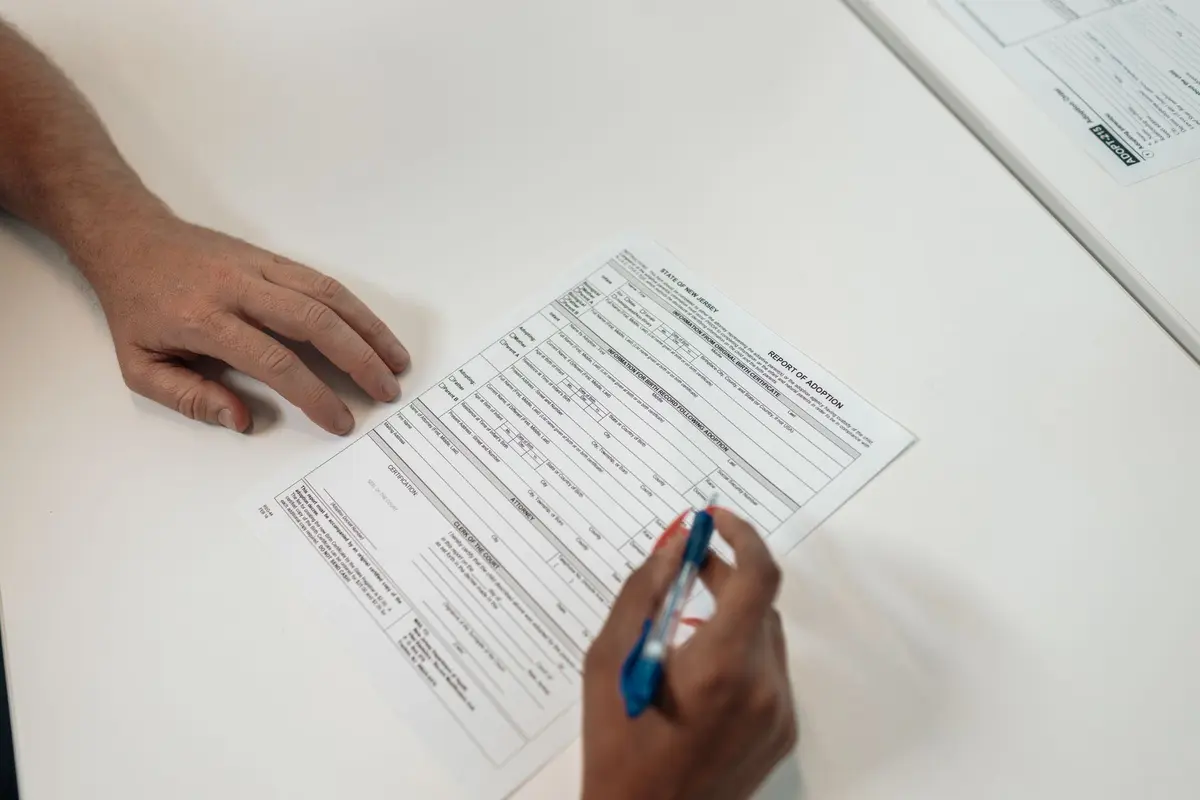
After assessment, the registered manager writes the care plan and the office collects signed consent forms, identity documents and the caregiver's training and check records. Expiry dates are often tracked on a spreadsheet that nobody opens until a shift is pulled because a certificate lapsed.
An AI worker sends reminders for missing signatures, files copies against the right client or caregiver, and watches expiry dates so the coordinator hears about a lapsing certificate weeks before it matters. Writing the care plan, explaining it to the client and any questions about mental capacity remain with the registered manager.
3. Building the visit schedule
Today a scheduler builds the weekly visit plan by hand. They match each visit to a caregiver by skill, language, location and continuity of care, then check travel times and rest breaks. Many agencies rebuild the same round every Monday.
An AI worker can save a round as a template, propose assignments from the client's usual visit pattern and the caregivers' stated availability, and check travel time and working hour limits before the rota is published. A person approves the rota and makes the call when a complex client needs a specific caregiver. The output is only as good as the availability data, so the first month usually goes on getting caregivers to keep their availability current.
4. Caregiver rota changes
This is where most of the coordinator's evenings go. A call-out arrives by phone or text, and the coordinator calls available caregivers one by one until a visit is covered. Each change also has to reach the client, the rota and the payroll record.
An AI worker takes the call-out from the app, text or phone message, reassigns the open visits to eligible caregivers in a set order, sends offers, confirms the first acceptance and updates the client, the rota and the pay record. If nobody accepts within a set time, the case goes to the on-call coordinator. The software cannot create cover that does not exist, so agencies still need a bench of available caregivers. A person decides on continuity when a vulnerable client would lose a familiar carer.
5. Visit confirmation messages
Today a coordinator or a caregiver phones the client the evening before to confirm the time, or nobody does and the client is out. Some agencies send a text that gets no reply, and nobody notices until the caregiver arrives at an empty house.
An AI worker sends the confirmation on the channel the client or family prefers, in their language, and records the reply. If there is no answer by a set time, it flags the visit to the coordinator. If the reply reports a fall, a missed medication or a change in condition, the message goes straight to the registered manager and the AI does not reply with anything clinical.
6. Clock-in and proof of visit
In the United States, Medicaid-funded personal care and home health services must be verified electronically. Agencies use phone apps, fixed devices or telephone check-ins to record when the caregiver arrived and left. Without automation, office staff match these records to the schedule by hand, every week.
An AI worker pulls the clock-in data, matches it to each scheduled visit, and lists the visits with no clock-in, a late start or a short stay. It prepares the records for the state system where one applies. A person decides whether an exception was genuine, for example a caregiver who was held up by an emergency at the previous client's home.
7. Visit notes and timesheets
Caregivers write notes after each visit, often at the end of the day and sometimes after their shift has finished. Office staff then chase the missing notes and key timesheets into the payroll system. A 2026 survey reported by McKnight's Home Care found that the most common current use of AI in agencies was writing up documentation and notes, named by 22.4% of respondents, and back-office admin was next at 17.9%.
An AI worker prompts the caregiver at the end of each visit for a short, structured note, checks that the required fields are complete, sends a reminder if the note is missing, and passes the verified hours to payroll. It can flag notes that mention a concern so a person reads them the same day. The caregiver's own account remains the record. A drafted summary should never reach a family or a regulator without the caregiver or the manager checking it first.
8. Family enquiries and updates
Families phone to ask where the carer is, whether a visit happened, when the next one is, or to change a time. Each call takes a coordinator away from scheduling work, and many calls are simple status questions.
An AI worker answers status questions from the live schedule and the clock data, such as whether the morning visit has been completed and when the next one is due. It takes change requests and turns them into proposed schedule changes for the coordinator to approve. Questions about health, medication, complaints or anything that could be a safeguarding matter are passed to a named person without an automated answer.
9. Billing, claims and invoices
The billing clerk matches each delivered visit to the authorised hours, checks for gaps, raises invoices or claim files, and chases payers. Mismatches between the authorisation and the visit often surface only when a claim is rejected.
An AI worker matches scheduled, clocked and noted visits, drafts the invoice or claim file, flags any visit outside the authorised window, and sends reminders for overdue payments. A person approves each batch, and handles disputes with commissioners and families.
10. Caregiver pay
The payroll officer reconciles timesheets against visits, travel time, sleep-in and late cancellation pay, then chases caregivers whose hours do not match. Pay rules differ by country and by contract, so this stage needs the most local care.
An AI worker calculates hours from verified visits, lists mismatches with the reason, and prepares the pay run for approval. A person approves the pay run, settles contested hours and confirms that the calculations follow the local minimum wage and working time rules for each caregiver's contract.
Staff today vs with AI workers
The table lists the office roles a home care agency usually employs. Titles vary by country, so read them as functions. The right column is what remains with a person after the change.
| Role | What the person does today | What the AI worker takes over | What stays with a person |
|---|---|---|---|
| Scheduler or rota coordinator | Builds weekly visit plans, handles call-outs and swaps by phone, and updates the rota after every change. | Rota drafting from visit patterns, call-out cover offers, rota updates, and travel and hours checks before publication. | Approving the rota, complex matching for vulnerable clients, and decisions when no cover exists. |
| Care coordinator | Logs enquiries, chases missing consent forms, confirms visits by phone and answers family calls. | Enquiry capture, document reminders, visit confirmation messages and status answers for families. | Assessment bookings that need judgement, complaints, and any call about health or safety. |
| Office administrator | Files paperwork, keys data between systems, and tracks expiring documents. | Filing, data transfer between systems, and expiry alerts for caregiver and client documents. | Checking records that cannot be matched and deciding what to file where for regulators. |
| Billing clerk | Matches visits to authorised hours, raises invoices or claims and chases unpaid balances. | Visit matching, invoice and claim drafts, rejection alerts and payment reminders. | Approving each batch, handling disputes and deciding on write-offs. |
| Payroll officer | Reconciles timesheets with visits, chases mismatches and prepares the pay run. | Hours calculation from verified visits, mismatch lists and pay run drafts. | Approving the pay run, settling contested hours and applying local pay rules. |
| Recruitment and training coordinator | Tracks applications, references, training and renewal dates for each caregiver. | Reminders for training due dates, document requests and renewal alerts. | Interviews, reference judgements and the decision to employ. |
| Registered manager | Runs the service day to day, approves care plans and reviews incidents. | Surfaces exceptions, prepares summaries of visits and trends for review. | Clinical decisions, safeguarding judgements, care plan approval and the regulator relationship. |
The highest-value automations, ranked by effort against impact
The ranking below puts the work with the best return for the least build effort first. Effort covers data preparation and setup as well as the build itself. The impact column reflects how often the task recurs and how many people it touches.
| Rank | Automation | Effort | Impact | Why this position |
|---|---|---|---|---|
| 1 | Visit confirmation messages with no-reply alerts | Low | High | Runs every day, needs only contact details and a schedule feed. |
| 2 | Visit note prompts and timesheet collection | Low | High | Removes the end-of-week chase and speeds up payroll. |
| 3 | Missed visit and late clock-in alerts | Low | High | Catches problems on the day, not at invoicing. |
| 4 | Caregiver call-out cover with ordered offers | Medium | High | Largest source of evening work, but needs accurate availability data first. |
| 5 | Family status enquiries from the live schedule | Low | Medium | Cuts repeat calls, provided the schedule is current. |
| 6 | Enquiry capture into one record | Low | Medium | Stops leads being lost between phone, email and forms. |
| 7 | Credential and document expiry tracking | Low | Medium | Prevents shifts being pulled for lapsed checks. |
| 8 | Invoice and claim drafts from matched visits | Medium | High | Saves matching time, but authorisation data must be clean. |
| 9 | Pay run drafts from verified hours | Medium | High | Strong return, but local pay rules must be set up and checked first. |
| 10 | Automatic rota generation from patterns | High | Medium | Valuable at scale, but only after items 4 and 9 run cleanly. |
The 2025 Provider Voices survey from HHAeXchange, a homecare software company, asked agencies which tools would help most with internal administration. Staff scheduling and communication ranked first, at 34.1% of respondents. That fits the order above, which starts with messages and schedules and leaves rota generation until the data is reliable.
Compliance and regulatory points
Compliance depends on where your clients are. Three points apply widely, and the rest should be checked with your regulator or an adviser.
In England, every regulated homecare service must have a registered manager under Regulation 7 of the Health and Social Care Act 2008, and that person shares legal responsibility with the provider for meeting the Care Quality Commission's fundamental standards. Automation does not change that. The registered manager must still be able to show who decided what, so every automated message, rota change and claim needs a log of who approved it.
In the United States, electronic visit verification comes from Section 12006(a) of the 21st Century Cures Act, passed in 2016. It requires states to verify Medicaid personal care and home health visits electronically, capturing the service, the person served, the date, the location and the start and end times. The requirement does not apply to every setting. Services delivered in congregate residential settings are generally excluded, so check your own programme rules before you configure anything.
Data protection applies in every market. Client health information is sensitive data under most laws, including the EU and UK General Data Protection Regulation and, for US providers handling protected health information, HIPAA. Confirm where your AI tools store data, who can see it, and what the contract says about training on your records.
The limits matter as much as the features. An AI worker cannot assess a client's condition, judge whether a family's concern is a safeguarding matter, or decide that a caregiver is fit for a particular case. It cannot make a caregiver answer their phone, and it cannot create cover that does not exist. Its output is also only as good as the data it reads. If caregivers do not clock in, or availability is out of date, the automations will show the wrong picture and act on it.
How the transition happens without disruption
Start by leaving the staff where they are. In the first weeks, the automation runs alongside the existing process. The coordinator still makes the call, and the AI worker records what it would have done. This shows where the schedule data is wrong before any client sees a message.
Next, route the exceptions to people. Define the rules once: which messages go out automatically, which need approval, and which go to the registered manager straight away. Every exception needs a named owner and a time limit. An unanswered confirmation after a set time should land on a named coordinator's list, not in a general inbox.
Then let the roles shrink to review. When the exception queue stays short for several weeks, the coordinator's day changes from chasing to checking. Some agencies redeploy that time to recruitment, training or client reviews. Others reduce hours or do not refill a post when someone leaves. Decide which before the change is made, not after, and be open with the team about it.
Finally, measure the things that matter to the business: missed visits, late clock-ins, days to fill call-outs, claim rejections and the number of repeat family calls. Compare them month by month against the baseline you took before the change.
Common mistakes
The first mistake is switching on the rota generator before the availability data is clean. The result is a neat schedule that caregivers cannot work. Start with confirmations and clock-in alerts, which need less data and show problems quickly.
The second is letting an AI worker write care notes that go out unchecked. Summaries can miss a concern or put words in the caregiver's mouth. Keep the caregiver's own note as the record and treat any summary as a draft.
The third is answering families with automated replies on anything about health, medication or complaints. Those messages need a named person and a clear route to the registered manager.
The fourth is cutting coordinator posts before the exception queue works. If the team is reduced first, the first bad week of call-outs will be handled by whoever is left, with no tools to help them.
The fifth is switching everything on at once. Ten changes in one month make it impossible to tell which one caused a problem. Introduce them in the order of the ranking table and give each one a few weeks.
The sixth is ignoring the caregivers. They use the app, the text messages and the clock-in. If the tools are slow, confusing or drain their phones, they will work around them, and the data will fail. Ask them what is wrong before you roll out the next change.
Sources
How AiStaffo would automate this
We would connect the scheduling or care management system, the caregiver app or clock-in feed, the client and family contact details, and the billing or payroll export. Once connected, the AI worker would send visit confirmations, take call-out cover through an ordered offer sequence, prompt caregivers for visit notes and timesheets, flag missed or late visits, and answer routine status questions from the live schedule. The owner or registered manager would still approve the rota, decide on complaints and safeguarding matters, review the exception queue each day, and sign off each pay and billing batch. We would start with confirmations and clock-in alerts, then widen the scope once the data is clean. Book a free automation audit.
Questions people ask
Can AI take over scheduling in a home care agency?
Is it legal to use AI to message clients and families?
What does electronic visit verification require?
Will automation replace my coordinators?
What data does an AI worker need from my agency?
Book a free automation audit
Thirty minutes. We look at one process you run every week and tell you exactly what an AI worker would take off your desk, and what it would not.