AI automation for outpatient clinics: the admin work it can take over

AI automation for outpatient clinics can take over repeatable administrative work: sorting referral paperwork, checking whether patient records are complete, answering approved routine appointment questions, sending reminders, and following up on missing forms or documents. It can pass exceptions to the right staff member and record what happened. For the office team, that means less copying, chasing and re-keying, not an unattended clinic. People still handle clinical questions, urgent concerns, sensitive conversations, consent where required, and decisions about care. A safe first step is to automate one contained workflow, test its handoffs, and keep staff in place while they review the work.
In short
- Start with repeatable administrative work such as referral checks, reminders and document follow-up.
- Route clinical questions, urgency, uncertain identity matches and care decisions to people.
- Keep staff in place during testing and use human review before allowing narrow automatic actions.
- Check privacy, security, vendor access and local health-data rules in every country served.
Which outpatient clinic work can AI take over?
AI automation is most useful where a task follows a known administrative rule and uses information already held in clinic systems. For an outpatient clinic, that often means receiving a referral, checking that required fields and documents are present, matching paperwork to the right patient, updating a work queue, sending a standard message, and tracking whether a reply or document arrived.
It can also handle routine appointment enquiries using clinic-approved information: opening hours, directions, preparation instructions already approved by the clinic, appointment confirmation, and requests to reschedule. It can send a reminder, capture a patient's response, and route a request that does not fit the approved path to reception.
The practical change is that receptionists, referral coordinators and medical administrative assistants spend less time moving information between inboxes, forms and the practice management or electronic health record system. Their work shifts toward checking exceptions, helping patients who need a person, and making sure the clinic's process is working. Automation is not a substitute for clinical judgment or a way to safely answer untriaged health questions.
The outpatient clinic workflow, from referral to follow-up
1. Referral received
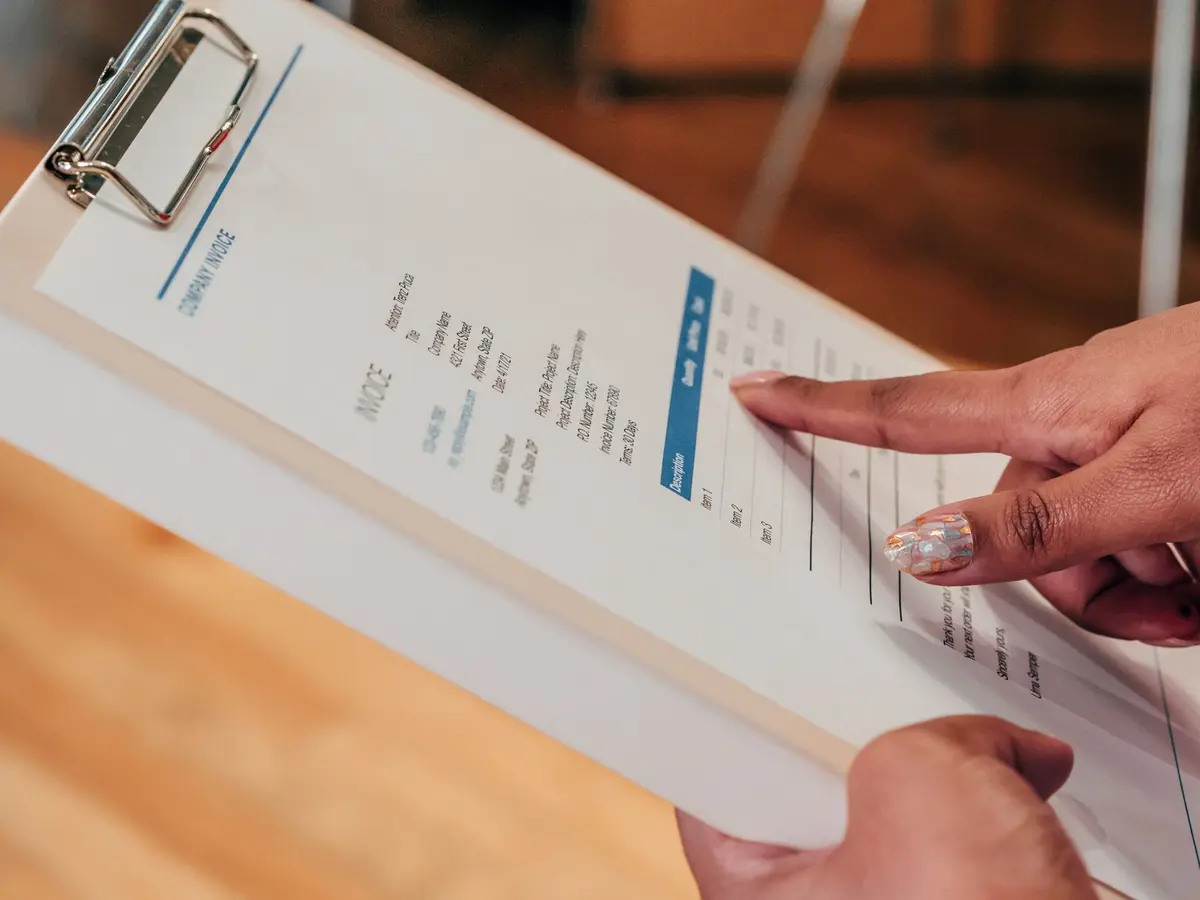
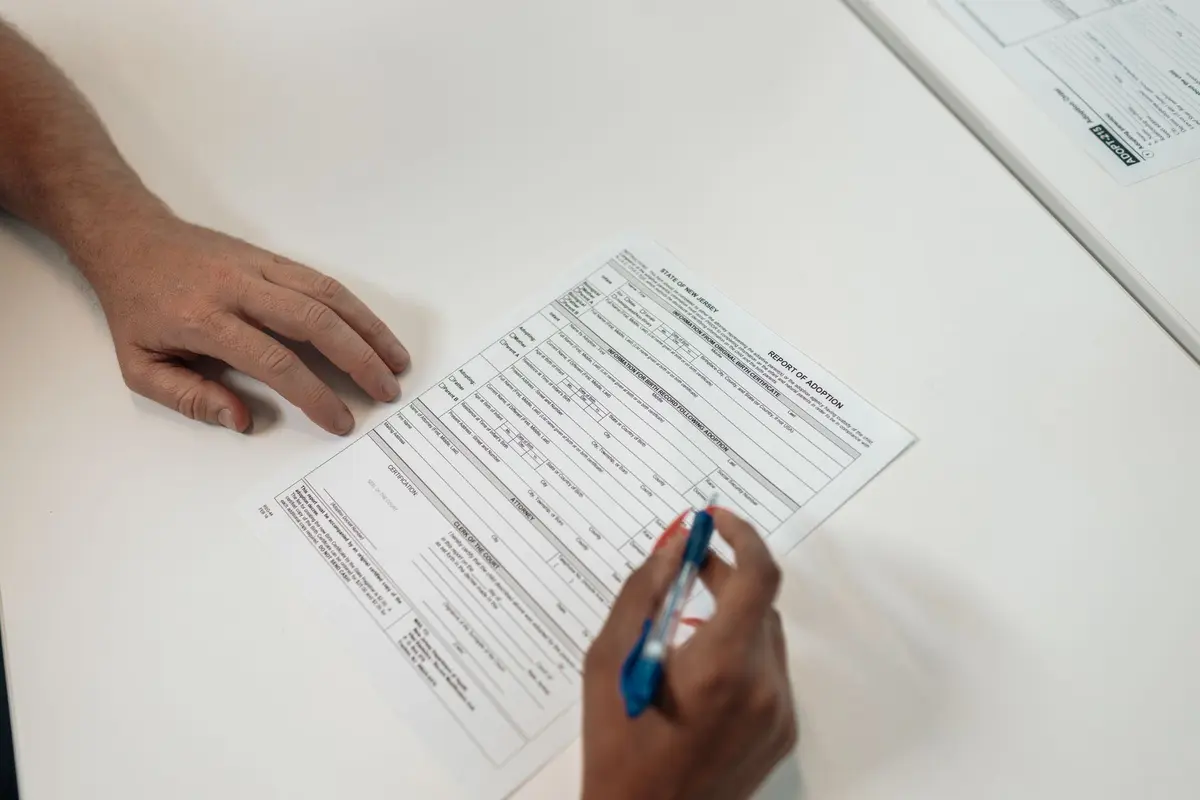
Staff today: A referral coordinator or receptionist may monitor fax, email, portal or electronic referral queues, open attachments, identify the sender and patient, and determine which service or clinician should review the paperwork.
AI worker: It can collect incoming documents from agreed channels, extract basic administrative details, match them against clinic records using defined checks, and place the referral in the correct work queue. If the identity is uncertain, the referral is incomplete, or the destination is unclear, it flags the item instead of guessing.
2. Referral completeness and triage handoff
Staff today: Staff check whether the referral includes required administrative information, supporting documents and contact details. Clinical triage is passed to a clinician or an appropriately authorised team member.
AI worker: It can compare the received packet with a clinic-defined checklist, list missing documents, and request those documents using an approved template. It can prepare a summary of what arrived, but it must not decide clinical urgency, suitability for a service, or which treatment a patient needs. Those decisions go to the designated clinical team.
3. Patient contact and appointment enquiry
Staff today: Reception answers calls and messages, confirms that the clinic has received a referral, explains routine logistics, and gathers information needed to arrange an appointment.
AI worker: It can answer only questions covered by current, clinic-approved content, such as location or appointment logistics. It can collect a request, offer approved booking options if connected to the scheduling system, and log the conversation. A question about symptoms, test results, medication, diagnosis or whether care can wait is routed to a person under the clinic's escalation procedure.
4. Registration and record preparation
Staff today: Front-desk or records staff check contact details, enter information from forms, look for duplicate records, and prepare the chart for the visit.
AI worker: It can read structured fields from forms, suggest updates to demographic or administrative fields, and identify missing items. A person should review uncertain identity matches and material record changes. Access should be limited to the information and actions required for the workflow.
5. Appointment booking and preparation
Staff today: Schedulers coordinate appointment type, clinician availability, location and patient preferences, then send confirmation and relevant preparation instructions.
AI worker: It can offer only appointment slots and instructions configured by the clinic, record confirmations, and send reminders through approved channels. It can track an unanswered reminder and create a follow-up task. Staff handle requests that require judgment, accessibility support, a change to clinical scheduling rules, or a conversation beyond routine logistics.
6. Check-in and document collection
Staff today: Reception checks arrival, confirms forms, and helps patients who cannot complete them independently. Records staff may attach new documents to the chart.
AI worker: It can check whether expected forms have arrived, identify an unsigned or missing document, send a reminder, and route uploaded material to the correct review queue. It should not mark a clinical consent as valid merely because a field appears completed; the clinic defines the process and a responsible person handles exceptions.
7. Visit completion and administrative tasks
Staff today: After the appointment, administrative staff may process clinician-approved documentation, arrange a requested follow-up, and send paperwork to another provider or service.
AI worker: It can track a clinician's administrative instruction, prepare a document packet, and send it through an approved channel after the required review. It must not create clinical instructions or alter clinical notes on its own. If an instruction is unclear or missing, it returns the item to the author or assigned staff member.
8. Referral replies and outstanding documents
Staff today: Staff chase external providers or patients for missing records, monitor whether documents were received, and close the loop with the referring office.
AI worker: It can maintain an outstanding-items list, send timed follow-up messages approved by the clinic, record incoming replies, and notify staff when a deadline or exception rule is reached. The clinic decides how often to follow up and when to stop messaging or switch to a person.
9. Billing and back-office records
Staff today: Depending on the clinic and country, billing or administrative staff reconcile appointment and billing records, check documentation, and prepare routine reports.
AI worker: It can move approved administrative data between connected systems, flag missing fields, and prepare a report for review. It should not submit a claim, change a charge, or make a coverage representation unless the clinic has explicitly defined and approved that action for its local rules and systems.
Staff today vs. with AI workers
Titles vary by country and clinic. These are common outpatient office functions, not a claim that every clinic employs every role. AI workers take over selected repeatable tasks; they do not replace professional accountability for patient-facing or clinical decisions.
| Role | What the person does today | What the AI worker takes over | What stays with a person |
|---|---|---|---|
| Receptionist or front-desk coordinator | Answers routine calls, checks patients in, confirms appointments and collects forms. | Approved routine enquiries, reminders, confirmation logging and form-completeness checks. | Distressed or confused patients, clinical questions, identity exceptions and in-person support. |
| Referral coordinator | Receives referrals, checks paperwork, routes cases and follows up for missing documents. | Document intake, checklist comparison, queue placement and standard follow-up. | Unclear referrals, prioritisation questions and handoff to clinical triage. |
| Medical administrative assistant | Updates administrative record fields, prepares charts and handles correspondence. | Extracting specified fields, identifying gaps, preparing drafts and tracking tasks. | Review of uncertain data, sensitive correspondence and authorised record changes. |
| Scheduler or appointment coordinator | Books, changes and confirms appointments under clinic rules. | Routine slot offers, confirmations and reminder tracking where system access permits. | Exceptions, complex coordination and decisions that depend on clinical scheduling rules. |
| Medical records clerk | Files documents, checks record completeness and fulfils administrative routing tasks. | Document classification, completeness alerts and routing to configured queues. | Resolving ambiguous records, access requests and sensitive disclosure decisions. |
| Billing or accounts administrator | Checks administrative billing inputs, reconciles records and prepares reports. | Routine data matching, missing-field alerts and draft reports. | Disputes, coding or billing judgments, approvals and local regulatory interpretation. |
Highest-value automations, ranked by effort and impact
Impact here describes operational reach, not a promised saving. Effort depends on the clinic's current systems, data quality and the number of exceptions. Start with repeatable tasks that have a clear owner and a reliable way to check completion.
| Rank | Automation | Effort | Potential operational impact | Why it ranks here |
|---|---|---|---|---|
| 1 | Referral document intake and completeness checks | Medium | High | Reduces manual sorting and makes missing paperwork visible early. |
| 2 | Missing-document follow-up | Low to medium | High | Uses clear rules and can keep an outstanding-items queue current. |
| 3 | Routine appointment confirmations and reminders | Low to medium | High | Replaces repetitive contact and records the patient's response. |
| 4 | Administrative patient-record updates from forms | Medium | High | Reduces re-keying, provided uncertain matches are reviewed. |
| 5 | Routine appointment enquiry handling | Medium | Medium to high | Can cover approved logistics while routing health questions to staff. |
| 6 | Referral status updates to referring offices | Medium | Medium | Creates a consistent administrative loop without deciding care. |
| 7 | Post-visit administrative document routing | Medium | Medium | Tracks approved paperwork and returns unclear instructions for review. |
| 8 | Routine billing-data checks and report preparation | Medium to high | Medium | Useful where records are consistent; more difficult across disconnected systems. |
Compliance and safety points for clinics worldwide
There is no single global health-data rule. Requirements depend on where the clinic operates, where the patient is located, what data is processed, and the role of each service provider. Map the relevant national and regional privacy, health-record, security, communications and professional rules before connecting systems. The European Commission identifies health data as specially protected under the GDPR framework; clinics serving people in the United States should assess HIPAA obligations where applicable, including how vendors handle electronic protected health information.
Ask every technology or service provider what patient information it can access, where it is stored, who can access it, how actions are logged, how incidents are reported, and how data is returned or deleted when the relationship ends. In the United States, a cloud provider that handles electronic protected health information for a covered entity may have business associate responsibilities and contractual requirements. Do not assume a tool is compliant simply because it is marketed to healthcare.
Use role-based access, individual accounts, audit logs, secure transfer methods and a documented process for corrections. Test that an automation does not attach a referral to the wrong chart or disclose information to the wrong recipient. Keep a human approval step for uncertain matches, external document release, clinical triage, and patient messages that could be interpreted as advice. The World Health Organization's guidance on AI for health stresses human autonomy, safety, privacy and accountability; these are practical design requirements, not a replacement for local legal advice.
Automation is not worth deploying where the workflow is rare, highly variable, already quick, or too poorly documented to express as reliable rules. It is also a poor fit if the clinic cannot monitor exceptions, manage access safely, or maintain a non-automated route when a system is unavailable.
How to transition without disrupting clinic operations
Keep the existing team in place at first. Choose one contained workflow, such as referral completeness checks or reminder follow-up, and document the current steps, systems, message templates, responsible roles and exception paths. Agree on what the automation may read, draft, send, change or only flag. Begin with draft-and-review mode so staff can compare its work with the existing process.
When the team is satisfied with the handoffs, let the automation perform a narrow set of approved actions. Route uncertain records, clinical questions, unusual requests, failed messages and missing approvals to named staff queues. Give staff a clear way to pause or correct the workflow, and review error patterns before expanding it to another process.
Roles should change gradually. At first, staff supervise the automation and handle exceptions. Over time, routine processing becomes less of their day, while review, patient assistance, process ownership and quality checks remain human responsibilities. Any staffing or role changes should follow the clinic's own service needs, employment obligations and evidence from its actual operating experience.
Common mistakes to avoid
- Automating a broken process. Agree on the correct referral checklist, routing rules and message templates before asking a system to follow them.
- Letting routine messaging answer clinical questions. Define trigger phrases and clear escalation routes for symptoms, results, medication, urgency and treatment questions.
- Matching records on a loose similarity. Require a reliable identity check and send uncertain matches to staff instead of merging or updating them automatically.
- Connecting systems without limiting access. Give each workflow only the permissions it needs, and check logs and access regularly.
- Assuming every country has the same rules. Map privacy, health-record, communications and professional requirements for each location served.
- Removing people before exceptions are understood. Keep staff available while the workflow is tested, then use real exception and correction data to decide what can safely change.
The best starting point is usually an administrative queue with a visible backlog, repeatable rules and a person already responsible for exceptions. That makes it possible to see whether documents are routed correctly, follow-ups are recorded, and clinical questions reach the right human without changing the clinic's care decisions.
Sources
How AiStaffo would automate this
AiStaffo designs and runs AI-driven automation for clinic administration, connecting agreed intake channels, patient-record systems, scheduling workflows and document queues where the clinic's systems permit. An AI worker can check referral packets against clinic-defined requirements, follow up for missing documents, handle approved routine appointment enquiries and flag exceptions for the office team. Clinic staff retain control of clinical questions, record exceptions and decisions about care. Book a free automation audit
Questions people ask
What can AI automate in an outpatient clinic?
Can AI answer patient appointment calls?
Can AI process referrals and medical records?
Does a clinic need to replace its practice management system?
What privacy rules apply to clinic automation?
How should an outpatient clinic introduce AI automation?
Book a free automation audit
Thirty minutes. We look at one process you run every week and tell you exactly what an AI worker would take off your desk, and what it would not.