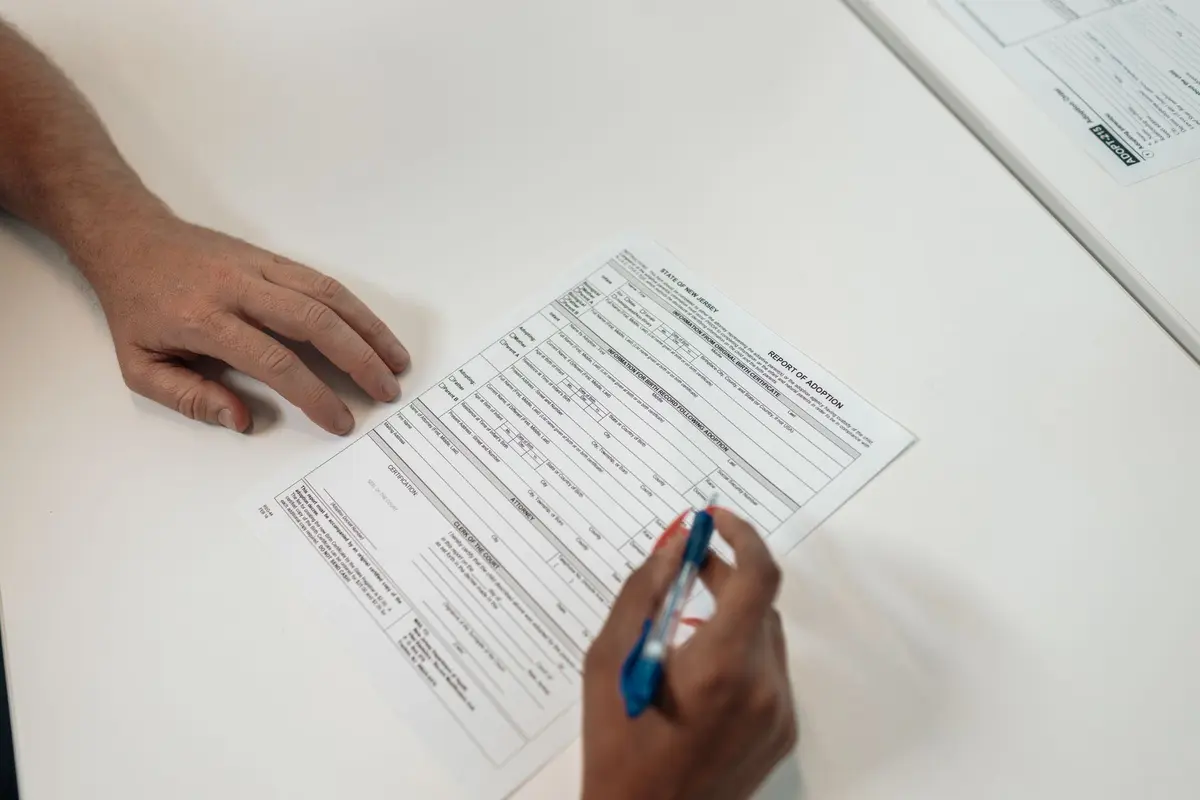
AI GST Documentation Assistant: What It Can Take Over
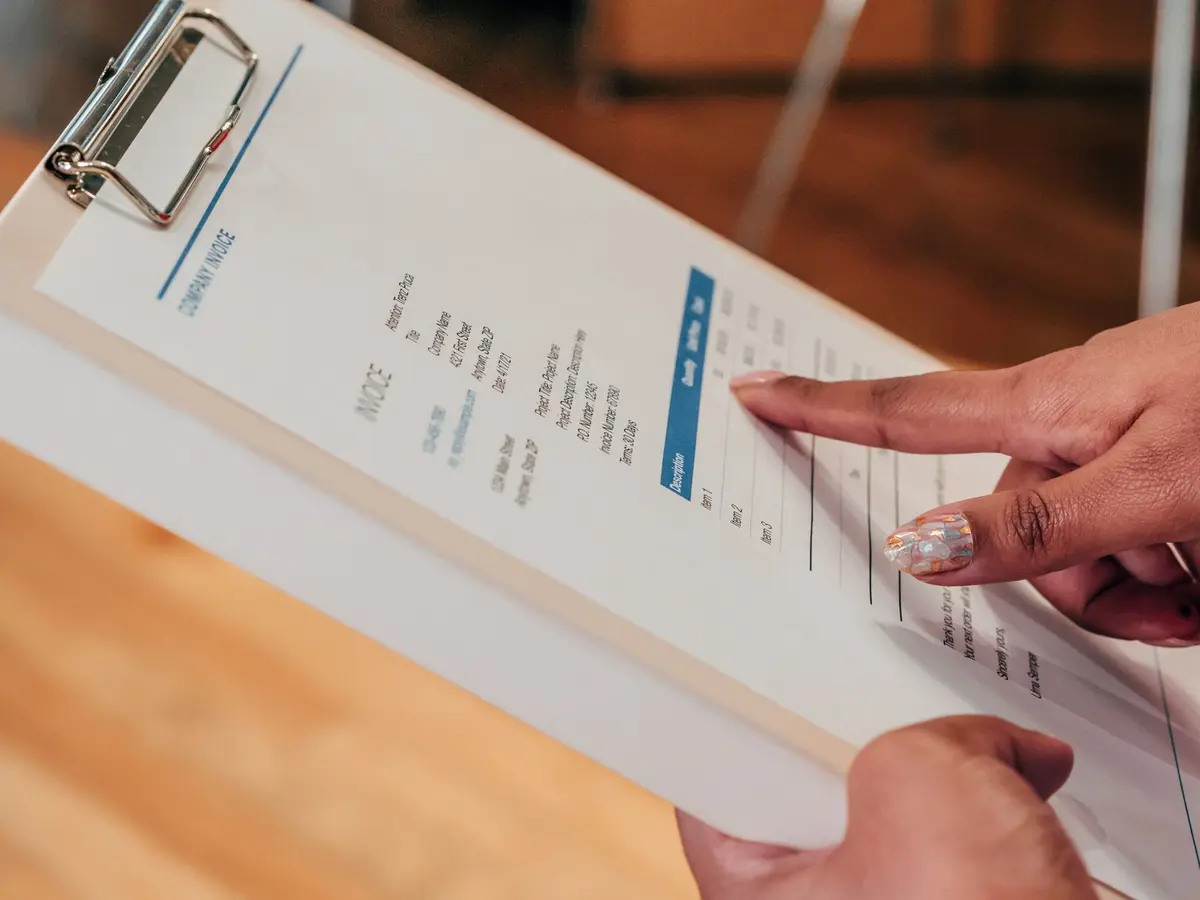
An AI GST documentation assistant can take over the repetitive preparation around GST work: collect invoices from approved inboxes or folders, name and sort files, extract invoice details into a spreadsheet or accounting system, compare records with a purchase register or GSTR-2B, and flag missing or inconsistent documents for follow-up. It works from rules and examples you approve, using the systems your team already relies on, such as TallyPrime, Zoho Books, Excel and business email. It should not decide GST classification, tax positions, input tax credit eligibility or whether a return is ready to file. A qualified person reviews exceptions and approves the final work.
In short
- An AI GST documentation assistant can collect, rename, sort and extract routine invoice information from approved systems.
- It can track missing records and prepare likely reconciliation exceptions for a person to review.
- A qualified person should decide classifications, tax positions, input tax credit treatment and filing approval.
- Keep original-document links, limited access and exception routing in place from the first trial.
- Fix document intake and ownership before automating a process that is scattered or poorly defined.
What a GST documentation assistant actually does all day
In many Indian businesses, the GST documentation assistant is the person who keeps the evidence moving between sales, purchases, accounts and the tax professional. The work is not just typing figures. It is making sure the right invoice or supporting document exists, can be found, and reaches the person who needs to check it.
A typical day includes collecting sales invoices, purchase bills, credit notes and debit notes from email, WhatsApp, shared folders or branch teams. The assistant follows up with a vendor or colleague when a bill is missing, illegible or incomplete. They rename files so the supplier, invoice number or period is identifiable, then save them in a predictable folder structure.
They also enter invoice details into a spreadsheet or accounting software, check that key fields were captured, and prepare sales and purchase records for review. On the purchase side, they may compare the purchase register with GSTR-2B and list invoices that appear unmatched, duplicated or absent from one set of records. On the sales side, they gather invoice data and supporting notes needed for GSTR-1 preparation.
Other recurring work can include linking a credit note to its original invoice, collecting e-invoice or e-way bill references where relevant, tracking which vendors have not sent documents, and answering routine internal questions such as “Which bill is missing?” or “Where is the signed copy?” The GST Portal describes GSTR-1 as a statement of outward supplies and lists invoice-level sales information, credit and debit notes, exports, advances and HSN/SAC summaries among its contents. That is why document completeness matters before return preparation begins.
The task list is often predictable; the records are not. One vendor sends a clean PDF, another sends a photograph in a WhatsApp message, and a third sends a statement without the supporting invoice. The assistant’s value is often in closing those small gaps consistently and leaving a clear trail for review.
Which of those tasks an AI worker takes over, task by task, and what it needs
An AI worker is most useful where the instruction can be stated clearly: watch a source, identify a document, capture specified fields, update a record, and route anything uncertain to a person. It does not need every system in the company. It needs controlled access to the places where the relevant documents and data already live.
| Recurring task | What the AI worker can do | What it needs access to |
|---|---|---|
| Collect incoming bills and invoices | Monitor an approved accounts or GST inbox, save attachments, and link each document to the sender and receipt date. | Named Gmail or Microsoft Outlook inboxes, or a designated shared mailbox; agreed rules for which messages count. |
| Handle WhatsApp submissions | Move documents from an approved business intake route into the records queue and flag unreadable images or missing pages. | A business-managed WhatsApp Business workflow or a controlled upload channel. Personal employee chats should not be scraped or monitored. |
| Rename and file records | Apply a consistent file name and place the document in a period, vendor or entity folder. | Google Drive, Microsoft SharePoint, OneDrive or another approved document store; a naming pattern and folder map. |
| Enter invoice details | Read visible fields such as supplier name, GSTIN, invoice number, invoice date and totals, then prepare a draft row or accounting entry. | A purchase-register spreadsheet or supported accounting workflow in TallyPrime or Zoho Books, plus examples of approved records. |
| Track missing documents | Compare expected records with files received, create a missing-item list and prepare a reminder for review or sending. | A vendor list, expected-document checklist, period tracker and approved email or messaging templates. |
| Prepare reconciliation exceptions | Compare matching fields in the purchase register and downloaded GSTR-2B data, then list likely matches and unmatched rows. | The relevant export files, a defined matching rule and a spreadsheet or accounting records view. The GST Portal provides access to GSTR-2B through its returns area. |
| Build a review pack | Group records by period, collect exception lists and present links to the underlying files for the reviewer. | A shared review folder, status fields and a named human approver. |
Start with the document journey, not with a promise to automate an entire tax process. For example, the worker can detect that a supplier invoice is absent from the folder and prepare a reminder. A person should decide whether the invoice is required, whether the supplier’s explanation resolves the issue, and what accounting or tax treatment follows.
Keep the source data clear. If sales invoices are in Zoho Books but supplier bills are scattered across personal inboxes, local desktops and informal chats, the automation will reproduce that disorder. Choose one intake point for each document type, state who can submit records, and decide where the final copy belongs. Limit system access to what the workflow needs, and use an audit trail so a reviewer can trace an extracted value back to the original document.
What stays with a person, and why
A qualified person should make decisions that depend on GST law, the transaction’s facts or the business’s position. That includes deciding classification, HSN/SAC treatment, place of supply, tax rate, reverse-charge treatment, input tax credit eligibility, and how to handle an unusual transaction. A worker can assemble the relevant invoice, purchase order, prior correspondence and ledger entry, then mark the issue for review. It should not convert a pattern in old records into a tax decision without approval.
Return preparation and filing also require clear human accountability. The GST Portal’s GSTR-1 guidance describes different categories of outward-supply information and the available preparation routes. Preparing source data is not the same as determining that each record is correct or authorising submission. A qualified reviewer should check the return-ready data, resolve material exceptions and give filing approval using the business’s established process.
People should also handle sensitive supplier relationships and unusual follow-ups. An automated reminder is suitable for a standard request such as asking for a missing invoice number or a readable copy. A dispute over a rejected bill, a repeated delay affecting a commercial relationship, or a supplier’s explanation of a tax issue needs a person who understands the history and can choose the right tone.
In practical terms, the AI worker prepares and organises evidence; the responsible person interprets it, decides what it means, and signs off. That division keeps repetitive administration moving without delegating regulated judgement to a system that is not accountable for the business’s tax position.
How this role differs by business type
| Business type | What the GST documentation assistant does there that is specific | What the AI worker handles there |
|---|---|---|
| Wholesale distributor | Collects supplier bills, purchase orders, delivery records and credit notes across vendors and locations; keeps invoice references connected to stock receipts. | Sorts files by vendor and period, captures invoice fields, checks for missing attachments, and prepares a comparison list against purchase-register and GSTR-2B exports. |
| Retail business or chain | Organises supplier invoices and branch records, follows up on bills from local purchases, and separates records by outlet or GST registration. | Routes incoming documents to the right entity or branch using approved identifiers, tracks outstanding submissions, and flags duplicate-looking files. |
| Manufacturer | Links purchase invoices to procurement or goods-receipt records and gathers documents from suppliers, factories and accounts. | Extracts key invoice fields, files documents against the specified purchase or receipt reference, and creates an exception list when expected records are absent. |
| Professional services firm | Collects expense bills, software and service invoices, client-related records and credit notes; coordinates with staff who submit expenses. | Reads and names submitted documents, checks that required fields are present, and follows up on missing or unreadable attachments using a standard workflow. |
| E-commerce seller | Organises sales and purchase records alongside marketplace statements, credit notes and other transaction support needed for review. | Groups files by source and period, extracts available invoice details, and prepares a list of records that do not have the expected supporting document. |
| Chartered accountant or tax practice | Receives records from multiple business clients, tracks what each client has sent, and prepares files for the person handling that client’s GST work. | Creates client-specific intake queues, labels documents by client and period, sends approved reminders, and produces a missing-record tracker for staff review. |
These are workflow examples, not a claim that every business in a sector follows the same process. The best design starts from the actual record sources and the accounting system used by that business. A manufacturer on TallyPrime may need a different document link than a services firm using Zoho Books and a shared expense folder.
How the switch happens
Do not remove the current assistant from the process on day one. The person knows which suppliers use unusual invoice formats, what “same as last month” means in practice, and which exceptions need context. Use that knowledge to define the workflow and test whether the automation is producing reviewable work.
- Week 1: Map the process. List each document type, its source, destination, owner and review step. Agree on file names, folder rules, allowed reminders and the fields that may be extracted. Record how the team handles missing, duplicate and unreadable documents.
- Week 2: Run alongside the person. Connect a limited inbox and document folder. The AI worker sorts and extracts a sample of live records, while the assistant continues the normal process. Compare the AI output with the person’s work and note recurring errors, especially around dates, GSTINs, invoice numbers and totals.
- Week 3: Route exceptions to the assistant. Let the worker handle only the agreed routine cases. Send low-confidence readings, duplicate candidates, unmatched rows, unclear vendor names and unusual documents to the person. Keep the original file linked to every extracted row so correction is quick and traceable.
- Week 4: Review the operating record. Check which steps completed automatically, which were corrected, and which caused avoidable follow-up. Adjust the rules, permissions and reminder wording before expanding to more vendors, branches or entities.
- After the trial: Move toward review-only work. Once the workflow is dependable for the approved document types, the assistant can focus more on exception review, supplier conversations, tax questions and approval preparation. Keep a human owner for the process and a fallback route when a connected system or document intake channel is unavailable.
The week labels are a practical rollout sequence, not a guarantee that every business will be ready on the same timetable. A clean inbox and consistent records make the test easier. Multiple entities, several accounting systems, poor-quality scans or disputed supplier records call for more validation before the workflow expands.
Risks and when NOT to automate this role
Automation can misread a blurry scan, confuse a credit note with an invoice, capture a wrong digit in a GSTIN, or match two records that look alike but refer to different transactions. A tidy spreadsheet can still be wrong if the original evidence is incomplete. Require source links, visible exception statuses and human review for uncertain or material records. Test against known examples before letting output flow into accounting or return-preparation work.
Access and privacy need deliberate controls. Give the worker only the inboxes, folders and software permissions required for its tasks. Do not route sensitive financial documents through personal accounts or unapproved messaging channels. Keep a record of who can change workflow rules, who corrects extracted data and who approves a filing.
Do not automate the role first if invoices arrive through uncontrolled personal WhatsApp accounts, records have no stable identifiers, or nobody owns the decision about what counts as complete. Fixing intake and ownership may be the real first step. Automation also may not be worthwhile when document volume is very low, each transaction is highly unusual, or follow-up depends on long-standing personal relationships that a standard message would damage.
Finally, distinguish a paperwork exception from a tax conclusion. “Invoice missing from this folder” is a trackable administrative issue. “This purchase qualifies for input tax credit” is a judgement requiring the relevant facts and qualified review. Keep that boundary explicit in the workflow, in user permissions and in the final approval step.
How AiStaffo would automate this
AiStaffo can connect approved accounts inboxes, shared document folders, spreadsheets and accounting workflows such as TallyPrime or Zoho Books where access allows. The automation can sort and rename incoming GST records, extract agreed invoice fields, update a missing-document tracker and route uncertain items to the responsible person. That person retains classification, tax-position decisions, relationship-sensitive follow-up and filing approval. Book a free automation audit
Questions people ask
What does an AI GST documentation assistant do?
Can AI reconcile purchase invoices with GSTR-2B?
Can an AI assistant file GST returns for my business?
Which software can a GST documentation assistant work with?
Should I automate GST document work if vendors send invoices on WhatsApp?
When is GST documentation automation not worthwhile?
Book a free automation audit
Thirty minutes. We look at one process you run every week and tell you exactly what an AI worker would take off your desk, and what it would not.