Cutting Your WhatsApp Bill After the October 2026 Pricing Change

From 1 October 2026, Meta charges for WhatsApp replies that used to be free inside the 24-hour customer window. Each business phone number gets 1,000 free service messages a month, and every message after that is billed. Utility templates such as order confirmations and delivery updates are now billed even when the customer has just written to you. In India, Meta's rate card lists utility and service messages at Rs 0.1150 each and marketing at Rs 0.8631, before GST. You control the cost in three ways: send each update once, keep replies inside the free allowance, and move notices that do not need WhatsApp to email or SMS. This guide shows which messages bill, how the allowance works, and how to automate order and delivery updates.
In short
- From 1 October 2026, WhatsApp service replies beyond 1,000 free per business number a month are billed, and utility templates inside an open window are billed too.
- In India, Meta's list rate is Rs 0.1150 for utility, authentication and service messages, and Rs 0.8631 for marketing, before GST and provider fees.
- The biggest saving comes from sending each update once and moving notices that do not need WhatsApp to email.
- The free app suits one or two people; the Cloud API is the route for order and delivery automation, but it has no inbox of its own.
- Keep complaints, refunds and disputes with people, and clean your order data before connecting anything.
Why WhatsApp costs have started to climb
Until 30 September 2026, a free-form reply sent inside the 24-hour window after a customer wrote to you cost nothing, and utility templates sent inside that window were also free. Both free zones end on 1 October 2026. The change matters most for businesses that send many order, delivery and payment notices, because those used to be the cheapest messages on the platform and are now billed.
The per-message numbers below come from Meta's India rate card as reproduced by several providers in 2026. Utility and authentication messages sit at Rs 0.1150 each, while marketing sits at Rs 0.8631. Some providers quote higher figures for India, such as Rs 0.138 or Rs 0.145, because they add their own platform fee on top of Meta's charge. When you compare quotes, separate Meta's per-message rate from your provider's markup, and remember that GST is charged on top of both.
To estimate your own exposure, count the messages you send each month by type and multiply by the rate. A business that sends 6,000 order and delivery updates a month pays about Rs 690 for them at the utility rate, before GST. That figure is simple arithmetic on the list rate, not an average across businesses. Support-heavy accounts feel the change faster. One 2026 worked example from a WhatsApp pricing calculator put 7,000 billable service replies at Rs 805 for a month.
Which messages bill now
Messages a customer sends to you remain free. Your free-form replies inside an open 24-hour window are free up to 1,000 per business phone number each month, and each reply after that is billed at the utility rate. Utility templates sent inside an open window, which used to be free, are now billed at Rs 0.1150. Utility templates sent after the window has closed were already billed, so they are the one category that has not changed.
- Customer messages to you: free.
- Your replies inside an open window: free up to 1,000 a month per number, then Rs 0.1150 each.
- Utility templates, both inside and outside the window: Rs 0.1150 each.
- Authentication (one-time passcodes): Rs 0.1150 each. Some markets carry a separate, higher international authentication rate, so check the card for each destination country.
- Marketing templates: Rs 0.8631 each, except for conversations opened through a Click to WhatsApp ad, which get a 72-hour free entry window.
The 1,000 allowance is shared. Operators, regular bots and third-party AI bots all draw from the same pool for a given number. A chatbot that answers ten short questions per conversation can use the allowance faster than a human agent would. The allowance also does not roll over, so unused messages in one month are lost. If you run two numbers, each one gets its own allowance.
The manual way versus the automated way
The table below compares how most businesses handle routine WhatsApp traffic today with a version where software sends each message once, at the right moment, and only when the customer needs it.
| Task | Manual way | Automated way |
|---|---|---|
| Order confirmation | Staff copy order details into WhatsApp one by one | A change in order status in your billing or shop system triggers one approved utility template |
| Delivery update | Staff message each customer when the courier status changes | The courier status feed sends one update per stage, and only for stages the customer asked to hear about |
| Payment reminder | An accounts person phones or messages each overdue customer | An overdue list from Tally Prime or Zoho Books sends one reminder on a fixed day |
| Customer asks where the order is | A person looks it up and types a reply | A bot reads order status and replies inside the open window, then hands complex questions to a person |
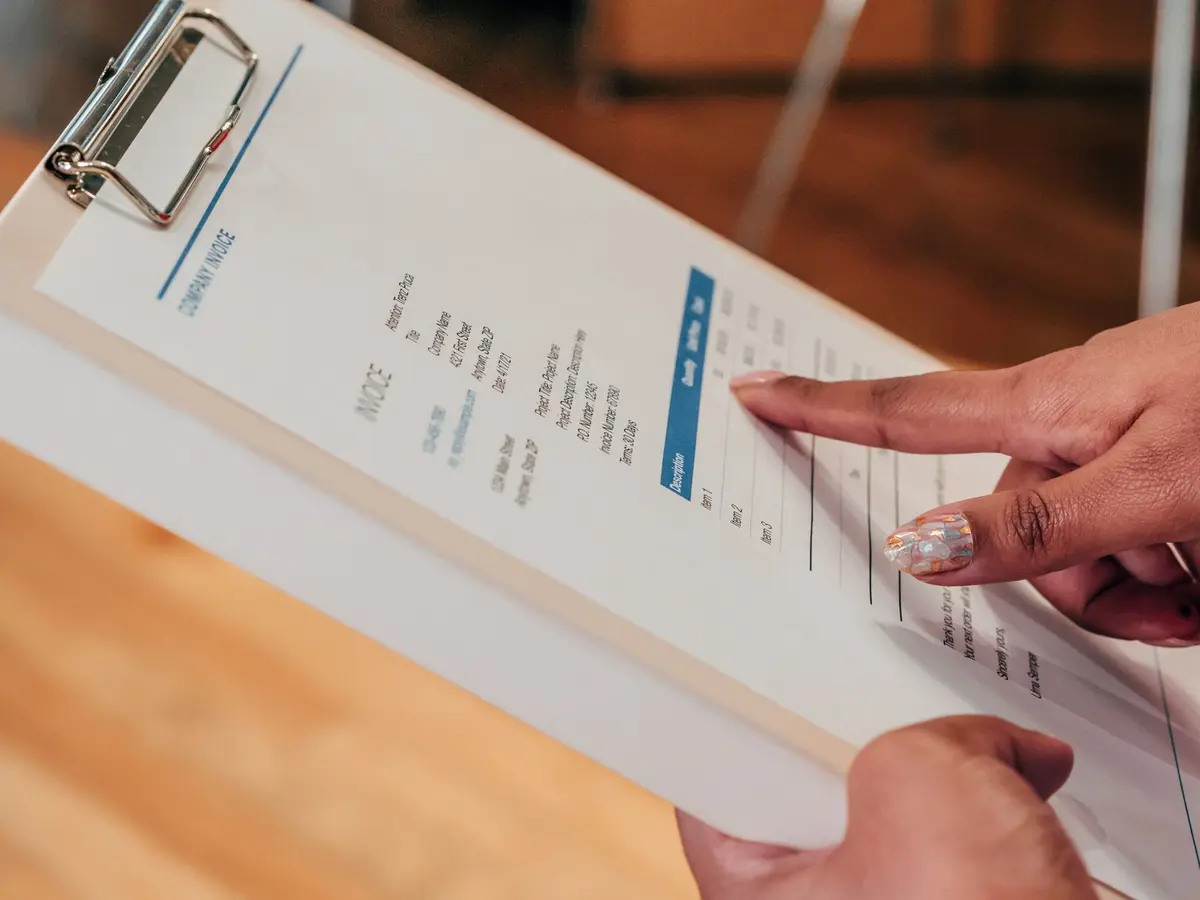
| GST invoice | Sent by WhatsApp, then again by email when the customer asks | The invoice PDF goes by email, and WhatsApp carries only a short link |
| Monthly cost check | Nobody counts the messages until the bill arrives | A weekly sheet counts sent messages by category and warns at 80 percent of the allowance |
How to automate order and delivery updates, step by step
- Export one full month of WhatsApp activity from your current tool and count it by type: replies, utility templates, marketing and one-time passcodes. This tells you where the money goes before you change anything.
- Decide which messages truly need WhatsApp. Order confirmations and delivery updates usually do. Invoices, statements and receipts usually work better by email, with a link in WhatsApp if the customer wants one.
- Set up the official WhatsApp Business Platform, also called the Cloud API, through a provider or directly with Meta. You need a Meta Business Manager account, a verified business and a dedicated phone number. Plan the number carefully, because the same number cannot simply be moved back to the free app.
- Write one template for each utility message. Keep each template to a single transaction, such as one order confirmation or one delivery stage. Do not add an offer to a delivery update, because Meta may classify the message as marketing and bill it at Rs 0.8631.
- Connect the trigger source. For Shopify, a billing system such as Tally Prime or Zoho Books, or a custom sheet, use a connector such as Make or Zapier, or your provider's built-in integration. Trigger on status changes, not on every edit, and store the order ID so the same message is never sent twice.
- For customers who send a UPI payment screenshot, use optical character recognition (OCR) to read the amount and the UPI reference number, then match them against the bank statement. A person approves each match. This removes the need for a back-and-forth on WhatsApp just to confirm a payment.
- Use a large language model only to classify incoming messages and answer order-status questions from order data. Route refunds, complaints and anything involving money to a person, every time.
- Build a weekly count and an alert at 80 percent of the 1,000 allowance. Check the count each month against the rate card, adding GST.
Official API versus the free WhatsApp Business app
The free WhatsApp Business app is built for one phone, a handful of people and manual replies. It has canned replies and no link to your billing or CRM software. For a business with one or two people who handle every conversation, the free app remains the simplest answer, and it costs nothing in messaging fees for the replies it handles.
The WhatsApp Business Platform, or Cloud API, has no inbox. Meta hosts the messaging service, but your software must supply the screens your team uses to read and reply. Each message is billed as described above, and provider platform fees may be added on top. The API lets you send templates automatically, connect to your systems and run bots, which is why it is the route for order and delivery automation.
Meta has also introduced coexistence, which lets some businesses use the app and the API on the same number. Some app features, such as calls, group chats, broadcast lists and disappearing messages, do not work on the API side. Check that your team's daily tasks survive the move before you switch.
What breaks and how to prevent it
- Duplicate sends. Two triggers for the same order status send two messages at Rs 0.1150 each. Stop this by storing the order ID and status, and sending only when the status is new.
- Bots that split replies. A bot that sends five short messages uses five units of the allowance. Combine the answer into one message where you can.
- Allowance running out in a busy month. Festival sales and courier delays both create spikes. Track the count daily during peak weeks, not monthly.
- Messages stopping for a payment problem. Reports indicate that service messages stop being delivered when the account has no valid payment method. Keep a current payment method on the account and check it monthly.
- Templates reclassified or rejected. Keep utility wording strictly transactional, and expect some back-and-forth with Meta on wording before a template is approved.
- Budgeting without GST. Add 18 percent GST to Meta's charges and your provider's fees before you set a budget.
- Automation cannot lower the per-message rate. It lowers the number of messages you pay for. Only fewer, better-targeted messages, or moving notices to cheaper channels, reduces the bill.
When not to automate
If you send only a few hundred messages a month, the free app and a manual routine may cost less in time and money than a connected system. The 1,000 free allowance also covers many small shops entirely, so the automation case there is about speed, not cost.
Keep people on complaints, refunds, disputes and anything that touches a legal or tax matter. A bot that answers 'where is my order' well can make a poor job of an angry customer who has been charged twice. Keep marketing campaigns small and manual until you know the response rate, because each marketing message costs Rs 0.8631 in India.
Do not automate a messy order system. If your records contain duplicate customers, wrong phone numbers or unclear status names, automation will send the wrong message faster. Clean the status list and the phone-number field first. Your customers also need to use WhatsApp. If most of your buyers prefer SMS or email, WhatsApp automation adds cost without adding service.
What it typically takes
The effort is mostly in planning, not coding. Most of the time goes to listing every message your business sends, deciding which ones belong on WhatsApp, mapping order and courier statuses to templates, and waiting for Meta to review those templates. A simple setup with one order source and one courier feed is a matter of weeks. A business with several order channels, a legacy billing system and a shared inbox needs more time for testing.
Expect a test month. Run the new routes beside the old process for a short period, compare the counts and check that each customer gets one message per stage. Then switch off the manual sends. The first weekly count is the most useful report you will get, because it shows exactly where the money goes.
How AiStaffo would automate this
AiStaffo would start by pulling a month of WhatsApp activity and sorting each message into its billing category, so the cost is visible before anything changes. Order and courier status changes would then be connected to approved utility templates, with a stored order ID that stops duplicate sends. Routine order-status questions would be answered automatically inside the open window, and anything about refunds, complaints or payments would pass to a named person. The owner still approves the wording of each template, decides which notices move to email, and reviews the weekly message count. Book a free automation audit to see which of your messages should stay on WhatsApp and which should not.
Questions people ask
Are WhatsApp service messages free after October 2026?
Do WhatsApp order confirmations and delivery updates still cost money inside the 24-hour window?
What is the difference between the WhatsApp Business app and the WhatsApp Business API?
How much could a small business pay for WhatsApp order updates in India?
Can I keep using my existing WhatsApp number with the API?
Should I move invoices from WhatsApp to email?
Book a free automation audit
Thirty minutes. We look at one process you run every week and tell you exactly what an AI worker would take off your desk, and what it would not.