AI automation for rooftop solar installers in India
An AI worker can take over the document-heavy office work in a rooftop solar business: collecting identity proof, electricity bills and roof papers, checking them against the list of documents each DISCOM asks for, chasing customers for anything missing, filling the portal forms, and tracking every net meter application through its stages. Your office team then reviews exceptions instead of chasing files one by one. Site surveys, engineering sign-off, meter and inspection visits, and any decision made by the DISCOM stay with people. For most installers the change means fewer hours of data entry and follow-up per project, not fewer engineers in the field.
In short
- An AI worker can run the document checklist, the upload check, the reminders and the status register for every net metering file.
- Site surveys, engineering sign-off, DISCOM inspections and DISCOM decisions remain with people.
- Start with the document checklist, the status register and enquiry capture, which need the least integration.
- Maintain a separate checklist for each DISCOM and confirm the current MNRE approved equipment lists before each purchase.
- Keep the current team in place during the first months and let them handle exceptions only once the AI worker has proved reliable.
Direct answer: what AI can take over, and what it means for the office
Rooftop solar in India is a paperwork business wrapped around a physical job. The roof is climbed once. The file is touched dozens of times. Every net metering application needs the right identity proof, a recent electricity bill, proof that the roof belongs to the applicant or a no-objection letter from the owner, a single-line diagram, a bill of quantities and system photos, and each of these has to match what was actually installed. When one item is wrong, the file waits.
AI can run the chase. It can read the documents customers upload, compare the consumer number and name on the bill with the application, flag a missing or mismatched item, send the reminder on WhatsApp or email, and record every status change. It can also keep a register of where each file sits with each DISCOM and alert your team when a step has been waiting longer than usual. What it cannot do is stand on a roof, judge whether a transformer can carry extra load, or accept a DISCOM decision on the customer's behalf.
For the office team, this means the daily work moves from typing and chasing to checking and deciding. A documentation executive who once filled forms for every customer becomes the person who reviews the three or four files the AI worker could not clear. The headcount question is yours to answer based on your own order volume. The point of the change is that the office handles more projects without the file backlog growing.
The whole workflow, stage by stage
A residential or commercial rooftop project passes through roughly the same chain of stages whatever the size of the installer. The table below walks through it in the order it happens. The notes after it explain the stages where automation makes the biggest difference.
1. Enquiry and lead capture
Today, a sales executive or a solar consultant takes calls, WhatsApp messages and portal leads, notes the consumer number, sanctioned load and roof type, and calls back. Many leads are never followed up because the notes are scattered across phones. An AI worker can capture each enquiry into one lead record, ask the first set of qualifying questions by message, and book the site visit slot. The consultant still decides which leads are worth a visit.
2. Site survey and feasibility
A surveyor visits the roof, measures shading and structure, checks the electrical panel and the earthing, and records the layout. This stays with a person. An AI worker can store the survey photos against the lead, generate the draft proposal from the survey sheet, and flag where a field is blank. It should not produce the engineering layout on its own.
3. Quotation and customer documents
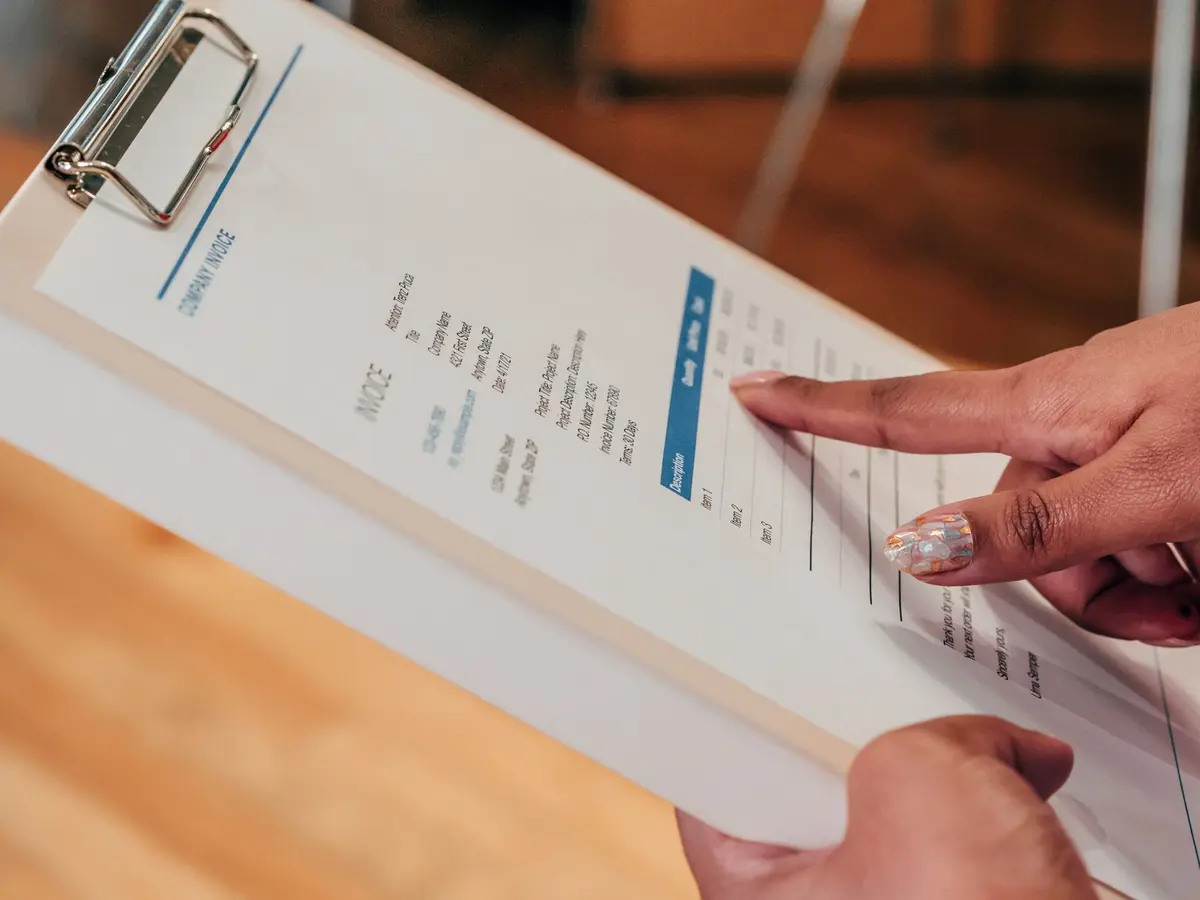
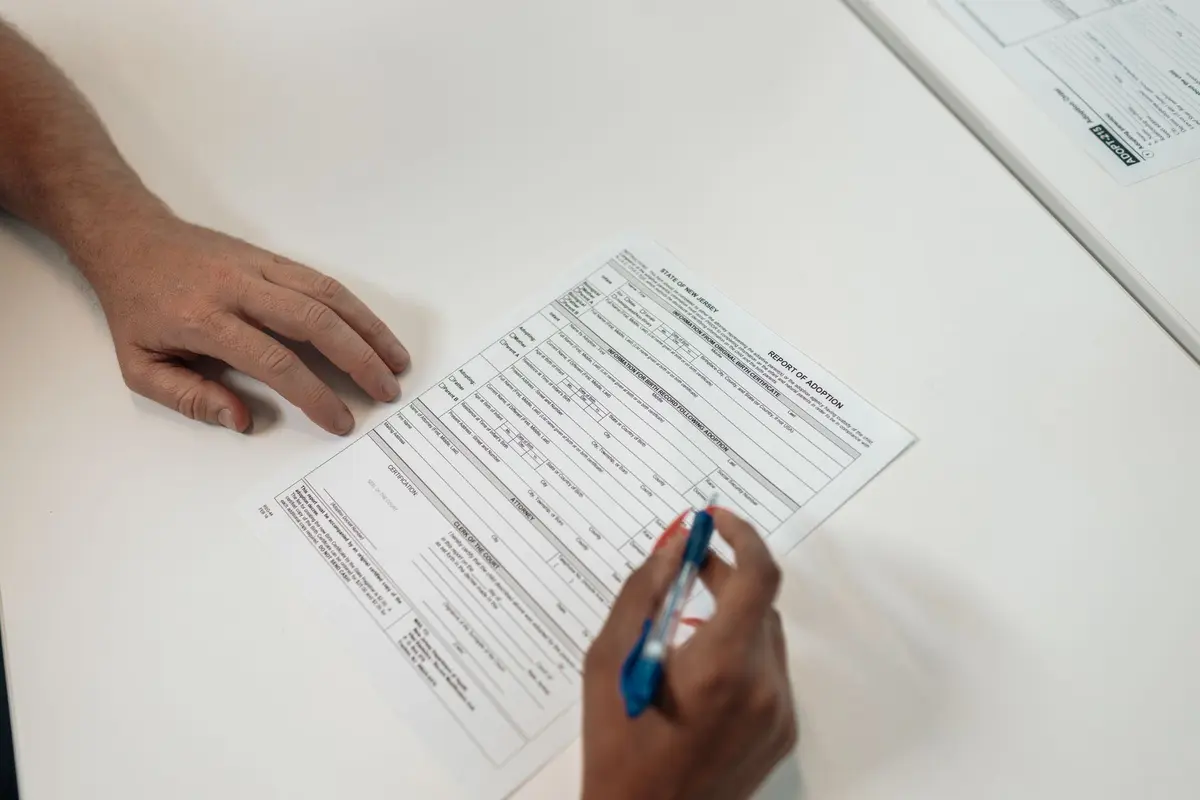
Once the customer accepts, the office needs the identity proof (Aadhaar or PAN in most cases), the latest electricity bill, the ownership document or a no-objection letter from the roof owner, bank details for any subsidy credit, and roof photographs. Usually a staff member emails a list, waits, and then chases. An AI worker can send a document checklist tailored to the customer's state, check each upload for legibility and for a match on the consumer number, and send one reminder at a set interval.
4. Application on the national portal and DISCOM
For subsidy-linked residential work, the consumer registers on the PM Surya Ghar national portal and selects an empanelled vendor. The installer then carries the process forward on the DISCOM side, and the DISCOM checks technical feasibility. Each DISCOM has its own portal and checklist. An AI worker can prepare the form data from the signed documents, fill the portal fields your staff have approved, and save the application reference number against the customer. Where a DISCOM portal has no integration, the AI worker works through a person's login under supervision, which is a question to settle with each DISCOM before go-live.
5. Feasibility, sanction and registration
The DISCOM assesses the local grid and issues a registration number or sanction letter. Timelines vary. One 2026 installer guide puts the total from application to commissioning at 30 to 60 days, while a 2025 state-level review reported 60 to 90 days in some states and inspection queues of 30 to 45 days in parts of Maharashtra. An AI worker tracks each file against the timeline you set and alerts the coordinator when a file sits too long. It does not negotiate with the DISCOM.
6. Equipment check and procurement
Subsidy-linked and net-metered systems must use equipment on the MNRE approved lists. A purchase order should only be raised for modules and inverters that match the list in force on the day of purchase. An AI worker can compare the make and model on each purchase order and the supplier invoice against the current list and flag mismatches. A procurement lead still signs off the purchase.
7. Installation, inspection and meter
Installation is a crew job. The DISCOM inspects the system, checks wiring and earthing, tests the anti-islanding function and installs the bi-directional net meter. An AI worker can book the inspection request, record the date given by the DISCOM, and remind the crew to have the as-built drawing ready. The crew, the inspection and the meter stay with people.
8. Commissioning, agreement and subsidy claim
After inspection, the DISCOM issues a commissioning certificate, and the customer signs the net metering agreement. Some regulators leave the agreement signature to the applicant. Subsidy claims follow commissioning. An AI worker can assemble the claim pack from the stored documents, check that every item is present, and track the payment status. Your compliance person approves the claim before it goes out.
9. After-sales, monitoring and billing
Once the system runs, the installer may need to watch generation data, handle complaints, and send invoices. Under the MNRE rules for PM Surya Ghar, inverter communication devices must carry M2M SIM-based monitoring. An AI worker can raise an alert when generation drops below the expected range for a customer, open a service ticket, and post the invoice to the accounts system, whether that is Tally or another tool. A technician still diagnoses and repairs.
Staff today and with AI workers
The roles below are the ones most rooftop solar installers in India use, under titles that differ from firm to firm. Read the table as a guide to where time goes, not as a staffing plan.
| Role | What the person does today | What the AI worker takes over | What stays with a person |
|---|---|---|---|
| Sales executive or solar consultant | Answers calls and messages, notes roof and bill details, books surveys, follows up quotes | Captures every enquiry, qualifies it with a set of questions, books survey slots, sends quote follow-ups | Price conversations, negotiation, the choice to pursue or drop a lead |
| Site surveyor | Visits roofs, measures shading and structure, records photos and sheets | Stores survey photos against the lead, drafts the proposal from the survey sheet, flags blank fields | The site visit, roof assessment, electrical checks and layout design |
| Documentation executive or PM Surya Ghar coordinator | Collects Aadhaar or PAN, bills, ownership papers, photos; fills portal and DISCOM forms; chases customers | Builds the document checklist per state, checks uploads, fills form fields, sends reminders, tracks file status | Reviewing exceptions, mismatched names, roof ownership disputes, final form approval |
| Project coordinator | Schedules crews and inspections, updates customers, tracks DISCOM timelines by phone and portal | Holds the project calendar, sends inspection requests, sends status updates, raises escalation alerts | Crew scheduling, choosing when to escalate to a DISCOM officer, customer conversations |
| Procurement executive or store keeper | Raises purchase orders, checks supplier invoices, confirms equipment makes | Matches make and model against the current MNRE approved lists, flags mismatches, logs stock | Supplier selection, purchase approval, physical stock checks |
| Accounts executive | Raises invoices, records receipts, prepares subsidy claim papers, reconciles payments | Creates invoices from the signed quote, posts entries, assembles claim packs, matches bank receipts | GST treatment, subsidy claim approval, disputed payments, audit queries |
| Service and AMC technician or helpdesk executive | Logs complaints by phone, visits sites, checks inverter faults, schedules service visits | Opens tickets from messages and monitoring alerts, schedules visits, tracks repeat faults | Diagnosis, repair, safety isolation and customer handling on site |
Two things to note. First, the documentation role changes the most, because it is where most of the repeated typing sits. Second, the role that loses no work at all is the surveyor. An AI worker helps the surveyor finish the paperwork faster, but the roof visit itself is the skill you are paying for.
The highest-value automations, ranked by effort and impact
The ranking below weighs how much setup work each automation needs against how much office time it returns. Effort covers building the workflow, connecting the documents, and getting the team to trust it. Impact covers how often the task repeats and how much a delay costs the project.
| Rank | Automation | Effort | Impact | What it touches |
|---|---|---|---|---|
| 1 | Document checklist, upload check and reminders | Low | High | Every residential and commercial file, from the first upload onward |
| 2 | Application status register across DISCOMs | Low | High | Feasibility, sanction, inspection and commissioning dates |
| 3 | Enquiry capture and lead follow-up | Low | High | Lost leads from calls, WhatsApp and portal forms |
| 4 | Portal form filling from signed documents | Medium | High | Repeat data entry on national and DISCOM portals |
| 5 | Subsidy claim pack assembly and completeness check | Medium | High | Claim delays caused by a missing page |
| 6 | Equipment make and model check against approved lists | Medium | Medium | Purchase orders and supplier invoices |
| 7 | Invoice creation and payment matching in Tally or similar | Medium | Medium | Billing, receipts and reconciliation |
| 8 | Monitoring alerts and service ticket creation | Medium | Medium | Generation drops and after-sales complaints |
| 9 | Survey-to-proposal drafting | High | Medium | Proposal documents from survey sheets |
Start with ranks one to three. They need the least integration, they touch every file, and they show results within the first few weeks. Leave the engineering-facing items until the office team trusts the document flow.
Compliance and regulatory points for India
Net metering in India is set by the central government and by each state electricity regulator, and the rules differ in detail. Four points matter for an automation project.
The first is vendor standing. Under PM Surya Ghar, the subsidy can only be processed for installations by vendors registered on the national portal and empanelled with the relevant DISCOM. Vendor registration is a two-layer process, and an AI worker can track the status of each application. It cannot make the registration decision, and a registered vendor's name on a file is not something to automate away.
The second is equipment. Panels and inverters must appear on the MNRE approved lists in force. A 2025 MNRE clarification set out how the cell rules apply to net metering projects, and a 2026 trade commentary reads the cell exemption for net metering projects as running to the end of 2026. Confirm the current position with a compliance person before each purchase, because the lists have changed more than once.
The third is data. MNRE has asked that rooftop solar data be held on servers in India, and inverter communication devices must use M2M SIM-based monitoring. Customer identity proof, bank details and bills are personal data. Any AI tool you use must store them in a way you can explain under India's Digital Personal Data Protection Act, 2023. Ask your vendor where the data sits before you connect anything.
The fourth is the state rule. A 2025 Telangana regulation, for example, allocates net metering connections on a first-come, first-serve basis for each distribution transformer. Your AI worker must follow the rule of the state you are working in, and a single template for all states will fail.
Automation cannot do the inspection, the technical sign-off or the DISCOM's decision. Those remain statutory steps. Plan for them to take as long as the DISCOM takes.
How to move to AI workers without disrupting projects
Do not switch the whole office on one day. Run the change in three steps, and keep your current team in place throughout.
In the first month, the AI worker runs the document checklist and the status register alongside your current process. Your documentation staff keep filing as usual. Each morning, compare the AI worker's list of missing items with what the staff are chasing. Where they differ, find out why before going further.
In the second month, the AI worker takes over reminders and portal data entry for files that pass the checks. Staff receive only the exceptions: name mismatches, unclear bills, roof ownership questions, a DISCOM query, or a file that has passed its expected timeline. Keep a log of every exception and the reason for it. This log is what tells you where the next fix is.
In the third month, review the roles. A documentation executive whose work is now mostly exception review becomes the coordinator for the files that need a human decision. Do not cut a role because the AI worker runs faster in a demo. Cut it only when the exception volume has fallen for several months and the remaining work is clearly smaller.
Keep one rule throughout. Any action that commits money, signs a document or speaks to a regulator goes to a named person first.
Common mistakes
The most common mistake is to automate the portal before cleaning the documents. If the bill and the Aadhaar name do not match, the AI worker will fill the wrong form quickly. Fix the upload checklist first.
The second is to trust the single-line diagram too early. In Bengaluru, the most common rejection at the BESCOM inspection stage is a mismatch between the submitted diagram and the system as built, because panel count or inverter position changed late. Make the diagram final only after installation, in the format the DISCOM prescribes.
The third is to use one document list for every state. The DISCOM in Delhi, Gujarat, Maharashtra and Karnataka can each ask for different papers, and the approval route differs too. Maintain a checklist per DISCOM.
The fourth is to hand the survey to software. A roof is not a template. Automation that drafts a proposal from wrong survey data creates a dispute later.
The fifth is to measure the project by the number of files processed. Measure the time from signed quote to commissioning and the number of files that stall. Those numbers show whether the automation works.
Sources
- Set up a solar meter connection in India with these simple steps
- Process for installation of Rooftop Solar system at residential ...
- A Complete Guide to Net Metering in India
- DISCOM Approval Process for Rooftop Solar in India: Complete 2026 Guide - Solar Gadgets
- How to Apply for Solar Net Metering in India
How AiStaffo would automate this
AiStaffo would connect the lead inbox, the document folder for each customer and a status register that lists every net metering file by DISCOM and stage. The AI worker would send the document checklist for the customer's state, check each upload for a matching consumer number and name, and chase missing items on a fixed schedule. Once a file passes those checks, it would prepare the portal form data for a person to approve, and it would raise an alert when a DISCOM file sits beyond the timeline you set. Your team would still run surveys, sign off the engineering, handle the inspection and deal with the DISCOM. Book a free automation audit.
Questions people ask
Can AI file my net metering application on the national portal by itself?
Which documents does a net metering application usually need in India?
How long does net metering approval take?
Will AI replace my documentation staff?
Is it safe to put customer Aadhaar and bank details into an AI tool?
What should I automate first in a rooftop solar office?
Book a free automation audit
Thirty minutes. We look at one process you run every week and tell you exactly what an AI worker would take off your desk, and what it would not.