Westpac, NAB and ANZ Brief Parliament on Their AI Use
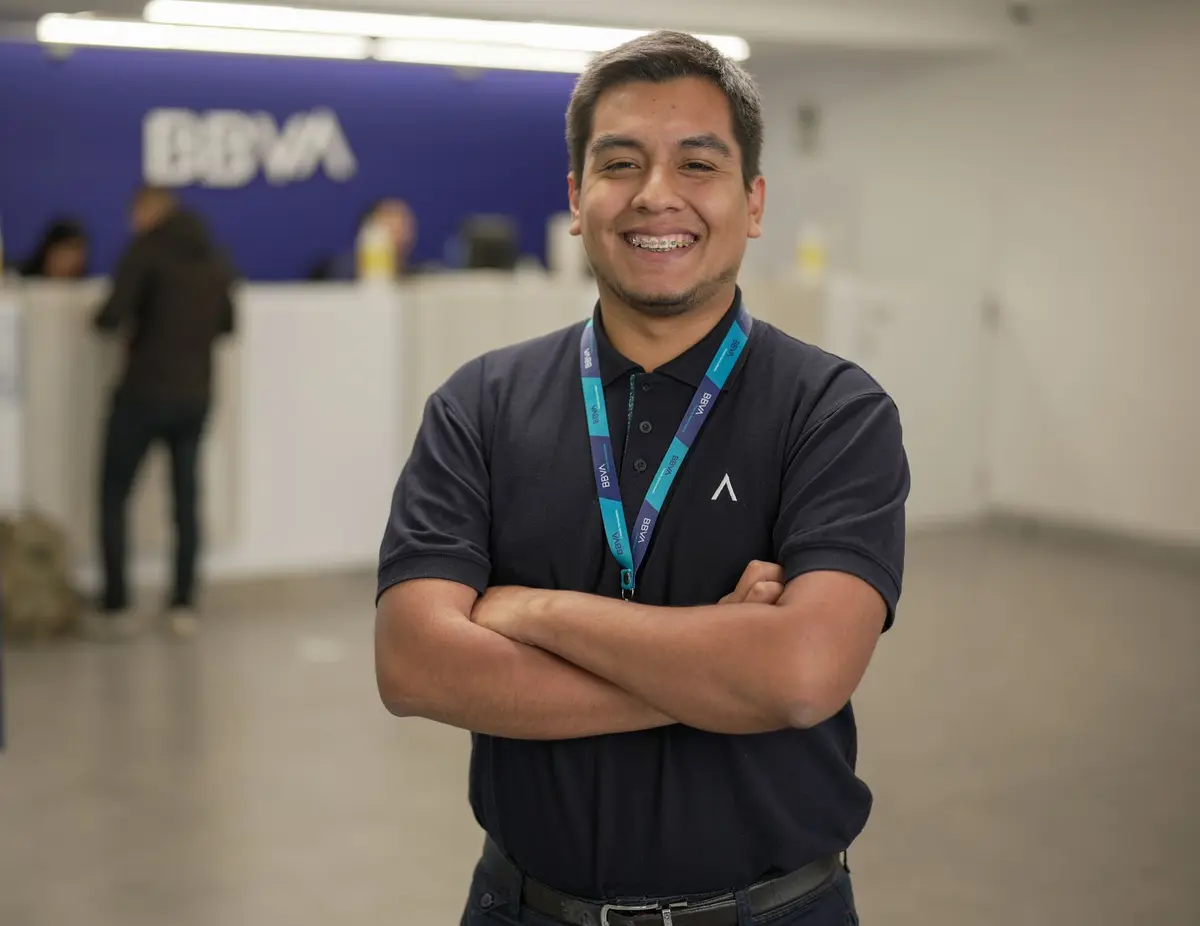
Westpac, NAB and ANZ appeared on Friday 9 October 2026 before a joint parliamentary inquiry into artificial intelligence in Australia. According to ABC News, the three banks described how they protect customer data and how they use AI. ANZ's chief data and AI officer said the bank had seen no job loss from AI, and he took a request for job-creation numbers on notice. The inquiry is still running, so no recommendation or decision has been made. For businesses that already automate back-office work, the hearing signals closer scrutiny of data handling, customer accounts and AI agents, and it sets the questions a regulator is likely to ask about any automated process.
In short
- Westpac, NAB and ANZ gave evidence to a joint parliamentary AI inquiry on 9 October 2026.
- ANZ said it had seen no job loss from AI and took a request for job-creation numbers on notice.
- The Australian Banking Association wants conduct-based rules rather than rules aimed at the technology.
- ASIC has put AI review among its banking priorities for 2026 to 2027.
- Any business automating work should record what data a tool sees and where a person checks the output.
What happened
Three of the Big Four banks, Westpac, NAB and ANZ, gave evidence to a joint parliamentary inquiry into artificial intelligence on Friday 9 October 2026. According to ABC News, which ran a live blog of the afternoon session, the banks focused on how they protect customer data. Westpac was first on the schedule at 2:30pm local time. The ABC had said beforehand that committee members would press the banks on data security, customer accounts and how they might use AI agents, and that job cuts would come up.
The hearing was not the only voice in the room. The Australian Banking Association, the industry body, gave evidence too. Its chief executive, Simon Birmingham, told the committee that Australia should back AI adoption, investment and innovation. He argued that government should regulate conduct and standards rather than the technology itself, because people and companies are the ones held responsible. The association's written submission, dated 2 October 2026, asks the committee to set transparency and oversight duties in proportion to the effect a system has on the customer.
Where the banks stand on AI today
The written material gives a clearer picture than the live exchanges. According to the Australian Banking Association's submission, Westpac rolled out Microsoft 365 Copilot to all its employees in February 2026. The same document says NAB's Customer Brain, launched in 2023, uses AI to guide more than 50 million customer interactions each month, and that it transcribes and summarises about 10 million contact centre calls a year. It also says ANZ uses Salesforce's Agentforce 360 platform so that bankers can see customer history faster. These are descriptions from an industry submission, not independent audits, and the banks have not been asked to prove the figures in the hearing.
The jobs question
Jobs came up early. Senator Tony Sheldon asked ANZ whether AI had created more jobs in Australia or overseas. ANZ's chief data and AI officer, Kai Yang, said the bank had seen no job loss due to AI. He pointed to new roles and to training programs for staff in Australia and elsewhere. Senator Sheldon pressed for actual numbers of jobs created. Mr Yang said he would take that request on notice, which means the bank will answer in writing later. ABC's coverage also records a separate exchange in which a bank defended its offshoring of some work, and a senator said the issue touched on the social licence banks need to operate.
Why it matters for businesses that automate work
Banks are large, regulated and watched closely, so their evidence tends to set the tone for other firms. Three points stand out for any business that automates staff work.
- Data handling will be asked about in detail. Committee members wanted to know how customer information is protected once AI touches it.
- Automated decisions affecting customers are a regulatory topic. The Australian Securities and Investments Commission has listed AI review as one of five banking priorities in a letter linked to its 2026 to 2027 corporate plan, according to a fintech.global report dated 30 September 2026.
- Workforce answers have to be specific. A general claim that no jobs were lost invited a request for numbers, and that request was deferred.
What changes for a business that automates work, in practice
A five-person firm and a group with thousands of staff face the same basic questions, even if the scale differs. Before you automate a task such as invoice processing, customer follow-ups or document filing, write down four things: what data the tool can see, who can change its output, where a person checks the result, and how you would show a regulator or client what happened on a given day.
Keep a human checkpoint on anything that changes a customer's account, money or record. Automation can reduce routine data entry, reconciliation and reporting work, and it can cut the time a person spends on repeat tasks. It cannot be left to decide disputed cases, explain a refusal to a customer or sign off on a legal obligation. Those steps still need a named person. Keep a simple log of which tasks run automatically, so that when someone asks, you can answer with dates and records rather than memory.
Workforce changes need the same care. If a task moves from staff to software, decide in advance whether the people doing it will be retrained, moved or let go, and tell them early. The banks in this hearing were asked for numbers they had not yet produced. A business that tracks its own numbers from day one avoids that position.
What to watch next
- The answers ANZ promised on jobs created, which the bank has said it would supply after the hearing.
- Whether the committee recommends a regulatory approach based on conduct, as the Australian Banking Association argued, or a technology-specific one.
- How ASIC's AI review of banks progresses during 2026 and 2027.
- Whether the committee adds questions on AI agents to its later hearings, since the banks were asked about them but the public record of their answers is still thin.
The inquiry is ongoing. No findings have been published, and no decision has been made.
Sources
How AiStaffo would automate this
AiStaffo would start by mapping the routine back-office tasks a business runs by hand, such as data entry, payment follow-ups, reconciliations and document handling. We would connect those tasks to the existing systems that hold the data, with access limited to what each task needs. The automation would run the repeat steps and keep a dated record of every action, so a question about who saw or changed a customer record can be answered from the log. The owner would still decide which exceptions, customer-facing judgements and workforce changes need a named person. Book a free automation audit.
Questions people ask
Which banks appeared at the Australian AI parliamentary inquiry?
Did the banks say AI has caused job losses?
What did the Australian Banking Association ask the committee to do?
Does this inquiry change the rules for my business today?
What should a business check before automating office work?
Book a free automation audit
Thirty minutes. We look at one process you run every week and tell you exactly what an AI worker would take off your desk, and what it would not.